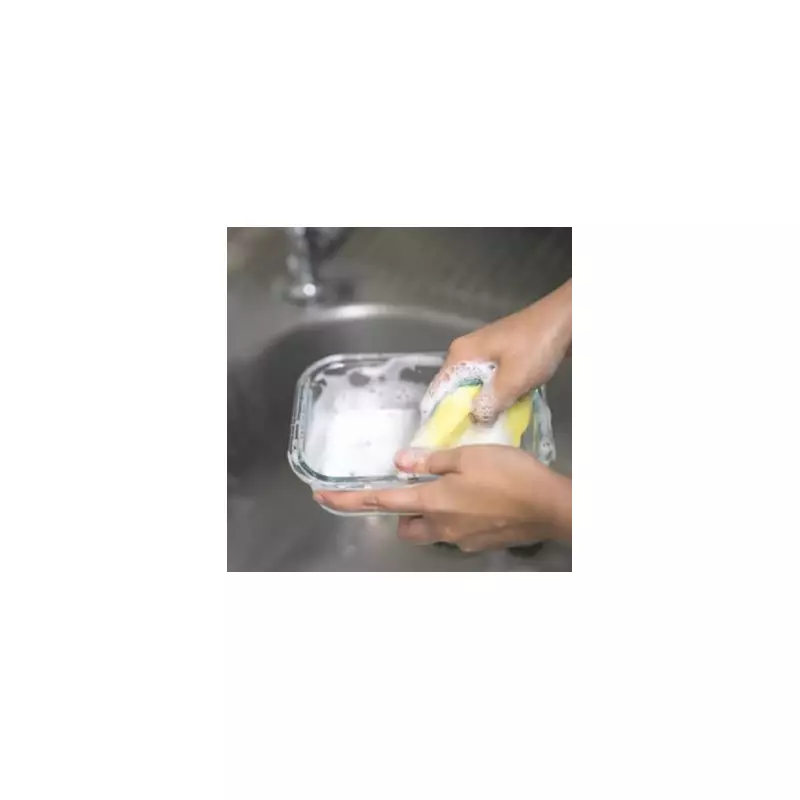
Households across the United Kingdom are being issued an urgent health warning to stop using a common kitchen item found beside almost every sink. The humble kitchen sponge, a staple for washing dishes and wiping surfaces, has been identified as a significant source of harmful bacteria.
The Shocking Germ Count in Your Sponge
Experts are sounding the alarm that the everyday kitchen sponge could be putting your family's health at serious risk if not cleaned or replaced correctly. Its porous surface is designed to trap food bits and moisture, but this also creates the perfect breeding ground for bacteria.
Research reveals that a used kitchen sponge can be far dirtier than most people realise. Some studies have found it can harbour more germs than a toilet seat, ranking it among the most contaminated items in any home.

A major 2017 study from Germany uncovered the staggering scale of the problem. Researchers discovered more than 360 different types of bacteria inside used kitchen sponges. In the most extreme samples, they found concentrations of up to 54 billion bacteria in just one square centimetre.
The Rising Risk of Foodborne Illness
This warning comes at a critical time, as many households prepare more hot meals during the colder months, leading to increased kitchen activity. The risk of foodborne illness consequently rises.
It is estimated that approximately 12 per cent of foodborne illnesses originate from meals prepared at home. However, health experts suspect the true figure is likely higher, as many people do not report minor stomach issues or cannot definitively link them to a specific meal.
Cross-contamination is a primary cause of these illnesses. This occurs when food comes into contact with a germ-ridden surface, such as a dirty cutting board, an unclean cloth, or a sponge that has not been properly sanitised.
How to Protect Your Home
According to specialists, this kind of rampant bacterial growth can happen very quickly, particularly when a sponge remains damp or is left sitting in the sink. Drying your sponge is just as crucial as cleaning it. A damp sponge will grow bacteria at an accelerated rate, so households should ensure sponges dry completely between each use.
Furthermore, it is strongly recommended to replace your kitchen sponge every week. Cleaning methods only reduce bacteria for a short period and are not a long-term solution.
As families spend more time indoors this November, health experts emphasise that simple steps can make a substantial difference. Maintaining good kitchen hygiene helps reduce the chance of illness, which is especially important when preparing meals for children, older relatives, or anyone with a compromised immune system.
Experts at Life Pro caution that ignoring these basic care guidelines could allow dangerous bacteria to spread across dishes, countertops, and food, leading to entirely avoidable health risks for your entire household.