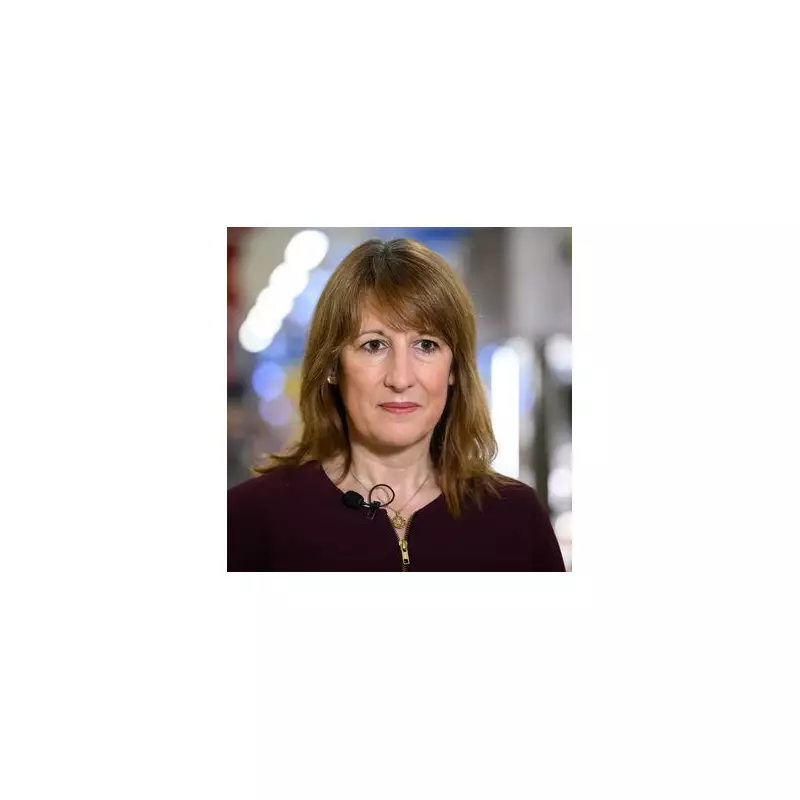
Chancellor Prepares Major Autumn Budget Announcement
Chancellor Rachel Reeves is set to deliver the highly anticipated Autumn Budget to the House of Commons on Wednesday, November 26, beginning around 12:30 PM. This crucial financial statement will outline the government's tax, borrowing, and spending plans for the coming year, with millions of Britons awaiting news that could significantly impact their household finances.
During a recent meeting with Labour MPs, Ms Reeves highlighted her three key priorities: "Cutting the cost of living, cutting NHS waiting lists and cutting the cost of debt." She pointed to several achievements already underway, including increases to the national living wage, protection of the state pension triple lock, and the rollout of free breakfast clubs in primary schools.
Expected Tax and Financial Measures
Despite earlier concerns about potential income tax hikes - which would have been the first in nearly fifty years - the government has abandoned these plans following better-than-expected economic forecasts. However, the freeze on income tax thresholds is expected to be extended until 2028, potentially dragging more people into higher tax brackets as their incomes rise.

Millions of workers can anticipate a boost to the minimum wage, with the Chancellor considering an increase to approximately £12.70 per hour from April 2026 for those over 21. This represents around a 4% rise from the current rate of £12.21.
In a significant move for commuters, the Budget will officially confirm a freeze on rail fares - the first in thirty years - saving passengers an estimated £600 million across more than a billion journeys in 2026/27.
Social Policy and Health Changes
One of the most anticipated announcements involves scrapping the controversial two-child benefit limit, an austerity-era policy that restricts child tax credits to the first two children in a family. Charities and Labour MPs have long campaigned against this measure, which costs approximately £3 billion to remove.
The government is also expected to extend the freeze on NHS prescription charges, maintaining the cost at £9.90 per item and saving the public around £12 million next year. Health Secretary Wes Streeting is preparing to widen the sugar tax on soft drinks, lowering the threshold from 5g to 4.5g of sugar per 100ml and including milkshakes and pre-packaged coffees for the first time.
Pensioners will receive welcome news with the state pension increasing by approximately £550 per year from next April, rising in line with average earnings growth of 4.8%. This will increase the weekly payment from £230.25 to just over £240.
Additional Revenue Measures and Consumer Impacts
The Treasury is considering several revenue-raising measures, including potential increases to gambling taxes. The IPPR think tank has recommended more than doubling the remote gaming duty from 21% to 50%, which could generate an additional £800 million annually.
Speculation continues about a possible "mansion tax" on high-value properties, which would apply a new surcharge to approximately 100,000 homes valued over £2 million across council tax bands F, G, and H.
For drivers, there are suggestions that electric vehicle owners might face a new pay-per-mile charge from 2028, potentially set at 3p per mile. Meanwhile, traditional fuel duty remains frozen since 2011, with the temporary 5p cut maintained.
The Chancellor is also reportedly considering a £2,000 annual cap on pension contributions through salary sacrifice schemes, a move that analysts warn could reduce retirement savings for some workers.
As the nation awaits the detailed announcements, Ms Reeves acknowledged the ongoing challenges, stating: "I know that there is more to do, which is why we have already announced a freeze in prescription charges and rail fares. But there is more we can - and will - do."