Birmingham's latest budget proposals have ignited a fierce political divide, with opposition councillors branding the plans as "smoke and mirrors" while the Labour-run authority insists it marks a turning point after years of financial turmoil.
A Milestone or Mirage? Council Leader Hails Progress
The council revealed its budget for the 2026/27 financial year last week, announcing it was no longer in a state of effective bankruptcy. Council leader John Cotton described the proposals as an "important milestone in our improvement journey," stating, "I think this is a really important moment for Birmingham, being able to shed the 'bankrupt Birmingham' tag."
He acknowledged ongoing challenges but emphasised positivity: "What you won't get from me is complacency about the work that's still to be done but this is a really positive move for our city." The council claims to have closed a £300 million budget gap and is addressing equal pay liabilities that contributed to the crisis.

Investment and Increases: What the Budget Entails
The proposed budget includes an extra £130 million investment in council services, focusing on cleaner, safer streets and improved local offerings. However, if approved later this month, residents face a council tax rise of approximately 5 per cent, alongside price increases for hundreds of council services.
This comes after unprecedented cuts, council tax hikes, and the disposal of over £250 million in assets over the past two years to tackle a massive financial black hole. Labour cabinet member for environment, Coun Majid Mahmood, called it a "budget we can get excited about," adding, "We can now look forward to delivering the service that the people of this city need and deserve."
Opposition Fury: 'Failed Budget' and Unresolved Issues
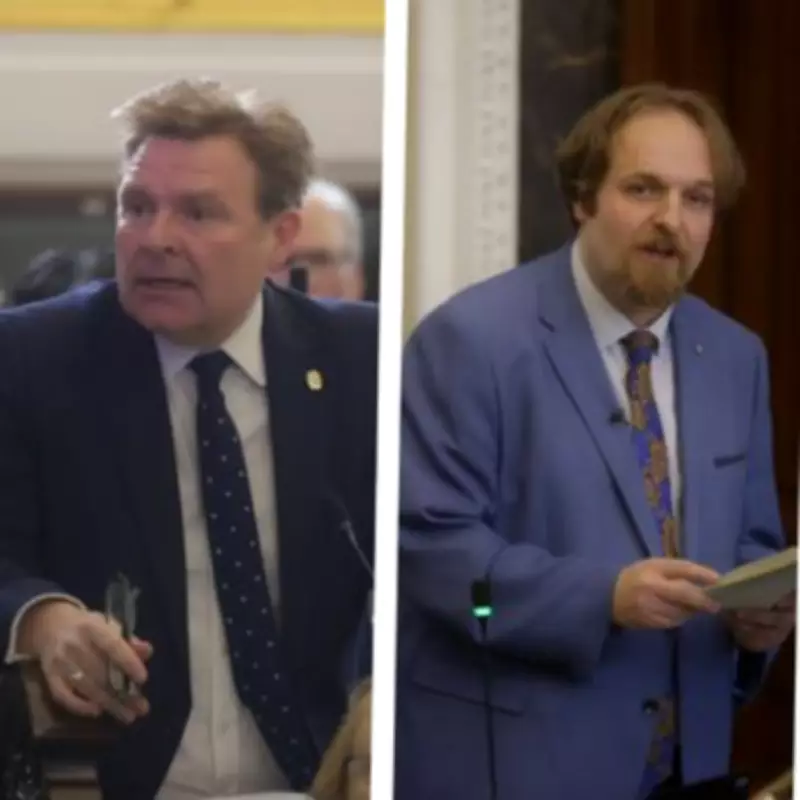
Conservative and Liberal Democrat councillors have sharply criticised the proposals, questioning whether the council is truly "back on track." Conservative opposition leader Robert Alden pointed to ongoing issues like the bins strike and the need to sell hundreds of millions in assets, stating, "This so-called 'balanced budget' is nothing more than smoke and mirrors."
He highlighted unresolved problems: "Servicing costs are exploding and the same deep-rooted problems – from equal pay liabilities to financial mismanagement – remain unresolved." Alden slammed Labour's approach for leading to slashed services and repeated council tax increases.
Liberal Democrats Decry Resident Impact
Liberal Democrats group leader Coun Roger Harmer argued it was another "failed budget from Birmingham Labour," noting, "John Cotton says the city is 'back on track' but the reality for residents is that they have seen their council tax bills soar yet again, while the city streets are in an appalling state."
He detailed ongoing grievances: "Our streets are covered in fly tipping, our roads are crumbling, and our council tax has soared year on year. Having a council not declare bankruptcy is no more than the bare minimum people would expect from any council."
Political Blame Game: Cotton Hits Back at Critics
In response, Coun Cotton credited recent funding from the Labour government as "incredibly welcome," but attributed the balanced budget to "the tough decisions that we took over the last two years." He expressed disappointment that some seem unhappy with the progress, saying, "It's sad that some seem disappointed we've turned a significant corner."
Cotton also criticised past Conservative policies, citing "austerity being inflicted on the council" and welcomed current government investment in deprived areas like Birmingham. The council's financial woes were exacerbated by specific issues such as equal pay claims and problems with the Oracle IT system, which remain key factors in the ongoing recovery efforts.