Birmingham Residents Face Council Tax Increase While Bin Strikes Continue
Households in Birmingham are confronting the prospect of a significant council tax rise, even as industrial action by refuse collectors leaves recycling and garden waste services suspended across the city. The Labour-run Birmingham City Council has unveiled its proposed budget for the 2026/27 financial year, marking what it describes as a pivotal moment in its recovery from financial turmoil.
Budget Announcement Amid Ongoing Disruption
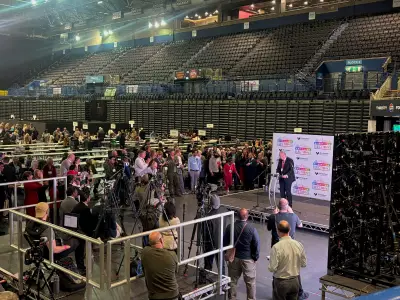
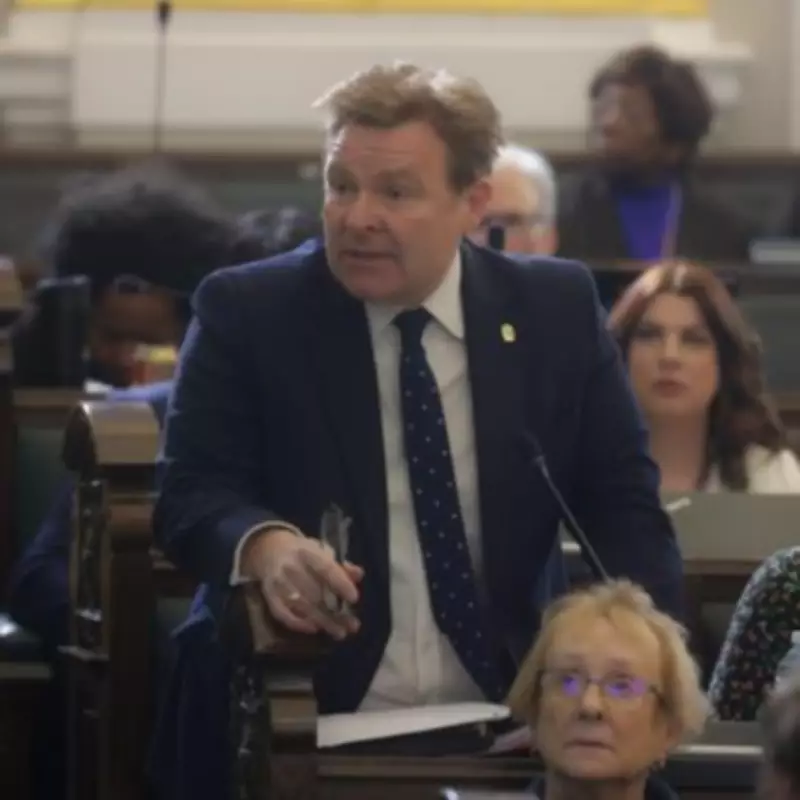
Council leader John Cotton declared this week that the authority is no longer 'bankrupt', having closed a £300 million budget gap and addressed equal pay liabilities. "Thanks to the decisive, tough action we took to get the council back on track, the 'bankrupt Birmingham' tag is now a thing of the past," Cotton stated. He attributed this progress to extensive work by council members and officers, supported by government-appointed commissioners.
However, this announcement comes against a backdrop of continued disruption from the bins strike, which began in January 2025 and has seen rubbish accumulating outside homes throughout the city. The industrial action, triggered by a dispute between the council and Unite the union, has resulted in suspended recycling and garden waste services, creating significant inconvenience for residents.

Proposed Tax Increase Details
Despite the ongoing service disruption, the council is proposing a council tax increase of approximately 5% for the coming financial year. This would follow substantial hikes of about 7.5% and 10% in the previous two years, placing additional financial pressure on households already dealing with reduced waste services.
When questioned about potential resident frustration regarding this juxtaposition, Cotton expressed disappointment at the unresolved bins dispute. "I'm very disappointed we've not been able to bring the bins dispute to a close," he acknowledged, while defending the council's position in negotiations.
Strike Dispute Background
The bins strike originated from the elimination of the Waste Recycling and Collection Officer role, with striking workers claiming they face potential pay cuts of up to £8,000 – a figure the council disputes. Negotiations between the council and Unite broke down last summer, with the authority stating it had 'reached the absolute limit of what we can offer' due to equal pay concerns.
Council managing director Joanne Roney recently emphasised the need for "reasonable amount of recognition for both parties", noting that the council must operate within the parameters of its equal pay and financial position. "[The council and Unite] are miles apart," she stated in January, highlighting the ongoing impasse.
Council's Financial Recovery and Future Plans
Cotton defended the proposed tax increase by noting that Birmingham now follows mainstream local government practice regarding council tax. "We're now back in the mainstream of local government following practice when it comes to council tax across the country," he said, adding that Birmingham maintains "a very generous council tax support scheme" and that average council tax per household remains at the lower end compared to other core cities.
The council's financial difficulties stemmed from multiple factors, including Birmingham-specific issues such as the equal pay situation and problematic implementation of an IT system. Labour politicians have also pointed to funding cuts during previous Conservative governments as contributing factors.
Looking forward, Cotton expressed determination to avoid past mistakes while driving efficiencies to deliver better services and value for council taxpayers. The proposed budget includes an additional £130 million investment in council services, focusing on cleaner, safer streets and improved local services. The council leader also emphasised ambitions to work with West Midlands Mayor Richard Parker and the Government to invest in communities, delivering homes, jobs, and services for Birmingham residents.