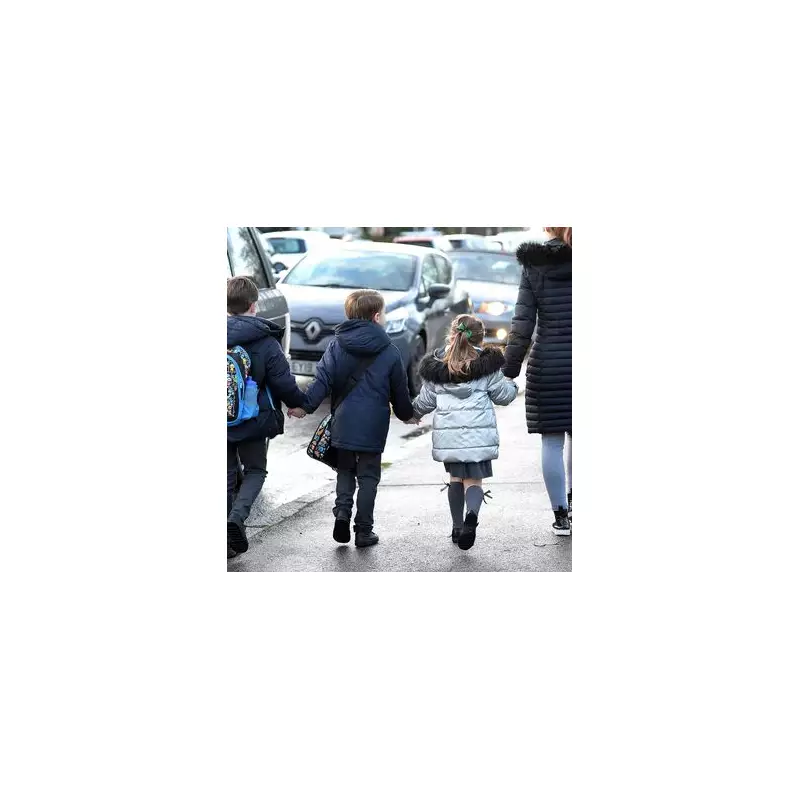
In a landmark decision set to transform the lives of thousands, Chancellor Rachel Reeves is widely expected to use her Autumn Budget to scrap the controversial two-child benefit cap.
A Lifeline for Birmingham's Families
This move holds particular significance for Birmingham, a city with more families containing three or more children than anywhere else in the UK. The policy change would directly benefit a staggering 67,230 children across the city.
Many of the parents set to gain from this decision are in work but rely on Universal Credit top-ups to make ends meet. Under the current rules, the child element of Universal Credit – £292.81 per month – is restricted to the first two children in a household, leaving larger families without crucial financial support.

The Stark Reality of the Cap
The two-child limit, introduced over a decade ago, has been widely blamed for pushing more children into poverty than any other single measure. The latest figures from the Department for Work and Pensions reveal the policy affected a record high of 469,780 Universal Credit households across Great Britain in the year to April 2025, with 59% of those households being working families.
The impact is acutely felt in specific Birmingham constituencies, placing three of them in Britain's top ten most affected areas:
- Birmingham Ladywood (MP: Shabana Mahmood): 11,490 children impacted (34% of all children)
- Birmingham Hodge Hill & Solihull North (MP: Liam Byrne): 9,920 children impacted (31%)
- Birmingham Yardley (MP: Jess Phillips): 8,030 children impacted (29%)
In contrast, the constituency of Sutton Coldfield sees an impact for just 6% of children.
Campaigners' Victory and National Impact
The anticipated scrapping of the cap follows intense pressure from charities, campaigners, and Labour backbenchers. The End Child Poverty Coalition had warned that the government's 'moral mission' to end child poverty would fail if the policy remained.
Think tank the Resolution Foundation had previously estimated that abolishing the two-child limit would be the most cost-effective way to reduce child poverty, potentially lifting 280,000 children out of poverty nationwide.
Joseph Howes, Chair of the End Child Poverty Coalition, had been a vocal critic, stating: "No child poverty strategy will succeed without lifting it. We all know that this is the lever that needs pulling first."
The decision marks a significant shift for the Labour government, which had faced internal dissent over the issue. Last July, several Labour MPs, including Coventry South's Zarah Sultana, had the whip removed after voting with a Scottish National Party motion to scrap the cap.