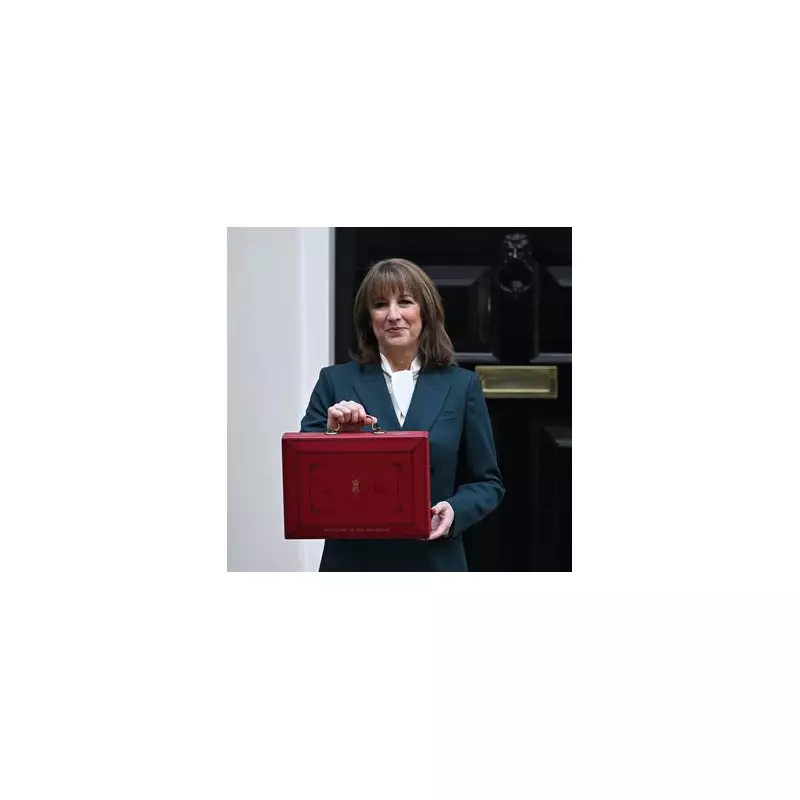
Millions of households across the UK are facing higher council tax bills next year after Chancellor Rachel Reeves confirmed the change in the recent Autumn Budget.
The Financial Impact
Documents released by the Office for Budget Responsibility (OBR) after the Budget reveal the scale of the increase. The annual council tax bill for a typical Band D property, currently £2,280, is set to rise by 5% to £2,394 in 2026. This increase comprises a standard 3% rise, with an additional 2% specifically earmarked for social care funding.
Practical Ways to Reduce Your Bill
Consumer rights expert Martyn James has outlined several legitimate methods for residents to manage and reduce their council tax costs.

Change Your Payment Schedule
Most local authorities in the UK spread council tax payments over ten months, giving residents a two-month payment holiday in February and March. However, you can request to spread these payments over 12 months instead.
For example, if your annual bill is £1,600, paying over ten months costs £160 per month. Switching to a 12-month plan reduces your monthly payment to £133.33, effectively saving you £26.67 each month and making the cost more manageable.
Claim the Single Person Discount
The most significant discount for many is the 25% single person discount. If you live alone, you are entitled to this reduction. Do not assume your council has automatically applied it, even if you are registered on the Electoral Roll. You must inform them directly to claim it. This discount can also be backdated to the date you became the sole occupant if someone has moved out.
Check if You Can Be 'Disregarded'
Certain individuals are not counted ('disregarded') for council tax purposes, which can make you eligible for a discount. According to government guidelines, people in your household may be disregarded if they are:
- Under 18 years old.
- On certain apprenticeships.
- 18 or 19 years old and in full-time education.
- At college or university.
- Under 25 and receiving funding from the Education and Skills Funding Agency.
- A student nurse.
- Someone classified as having a severe mental impairment.
The level of discount depends on your household's composition. You could get a 50% discount if everyone in your home is disregarded, or a 25% discount if you live alone or everyone else is disregarded. If all residents are full-time students or have a severe mental impairment, the bill is reduced to zero.