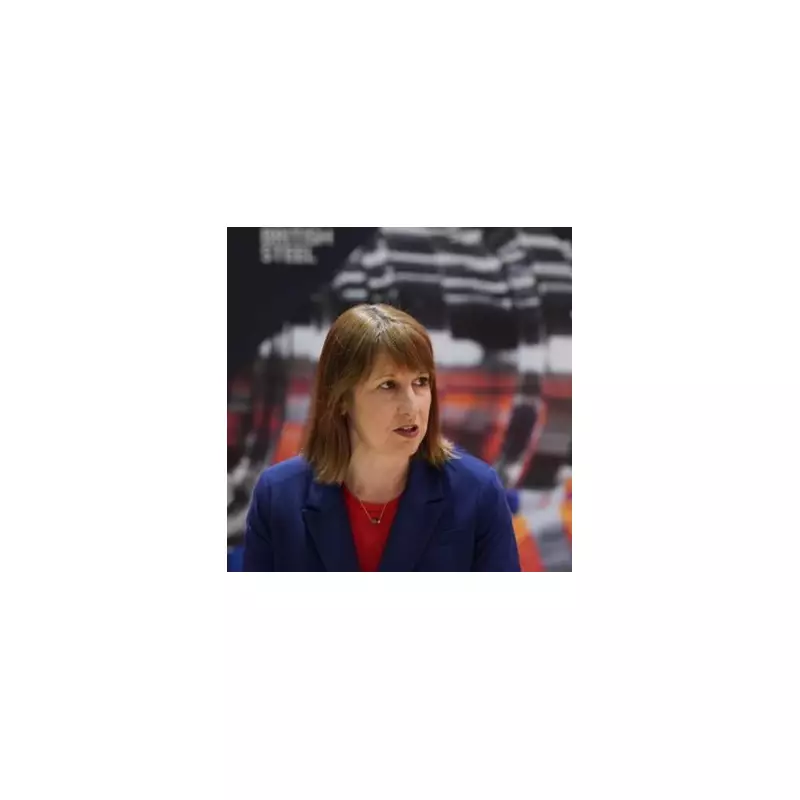
Chancellor Rachel Reeves is facing significant pressure to extend the current freeze on income tax thresholds in her upcoming Autumn Statement, a move that could generate an estimated £12 billion for the Treasury.
The Fabian Society's Proposal
The influential left-leaning think tank, the Fabian Society, has formally advised the Labour Chancellor that continuing the freeze represents the 'best available option' to address a fiscal shortfall. This recommendation comes as the government contends with the impact of weaker-than-expected economic forecasts.
In a new report, Joe Dromey, the Fabians’ general secretary, argued that the policy is an effective and progressive method to raise over half of the necessary funding. 'Most coming from wealthier households, and with relatively little political risk,' Dromey stated.

Progressive Impact and Political Challenges
The think tank's modelling suggests the financial burden would not be shared equally. According to Dromey, half (49%) of the revenue would be collected from the highest-earning fifth of households. In stark contrast, the poorest fifth would shoulder just 4% of the cost.
However, the proposal is not without its political complications. Dromey acknowledged that opposition parties are likely to highlight a contradiction. During last year's budget, Chancellor Reeves herself argued that maintaining the freeze would 'hurt working people [and] take more money out of their payslips'.
Broader Tax Debate
The report and subsequent political commentary have ignited a wider debate on taxation. Meg Hillier, the Treasury Committee chair, cautioned that alternative revenue-raising ideas like a wealth tax or business rate reform are 'not easy or quick to deliver'.
Echoing the call for broader tax reforms, Labour MP and business and trade committee chair Liam Byrne said, 'We will not defeat populism without higher levies on wealth. We will not rebuild Britain without restoring fairness to Britain’s taxes.'
With the Autumn Budget scheduled for 26 November 2025, all eyes are on the Chancellor's decision, which will signal the government's fiscal priorities amidst significant economic pressure.