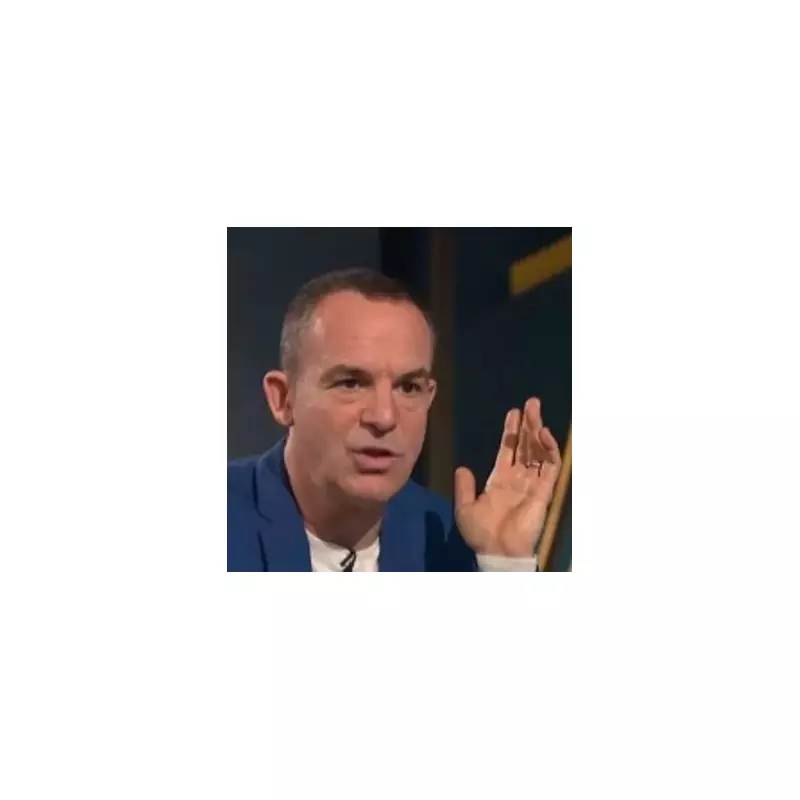
Consumer champion Martin Lewis has delivered his detailed analysis of the new Autumn Budget, clarifying precisely how the government's financial plans will impact the money in people's pockets.
Energy Bills Set for Significant Reduction
Following Chancellor Rachel Reeves's delivery of the Labour government's first Budget on Wednesday, November 26, Martin Lewis expressed that he was 'pleased' with the changes announced for gas and electricity bills.
He explained the key shift: 'What they're doing is taking some of the levies that I've been ranting about, and they're going to be moving those into general taxation - they're also getting rid of the 'eco scheme'.'

This policy change will lead to a direct cut in the unit rates consumers pay. Lewis confirmed this means a reduction of around 3.4p per kWh off the electricity unit rate and 0.3p per kWh off the gas unit rate.
He concluded that, with all other factors staying the same, this should result in an annual saving of approximately £150 off a typical household's energy bill from next year.
Changes to Savings and Investments
The Budget also brought significant news for savers, particularly concerning Cash ISAs. The tax-free annual allowance for these accounts has been substantially reduced.
From April 1, the allowance will be cut from £20,000 down to £12,000. However, Lewis was quick to highlight a crucial exception: This change will not apply to over-65s, who will retain the £20,000 Cash ISA limit. The allowance for shares ISAs will also remain at £20,000.
While Lewis stated he would have preferred a 'carrot not stick' approach, he acknowledged the government's logic. 'This isn't as bad as it could have been,' he said, noting that '£12,000 per year is still a reasonable whack for many people.' The stated aim is to encourage younger people to invest rather than save, a strategy that typically offers higher average returns and benefits the wider economy.
New 'Mansion Tax' on High-Value Homes
A new high-income surcharge, often referred to as a 'mansion tax', will be added to council tax for the most expensive homes in England starting in April 2028.
Martin Lewis broke down the new annual charges, which will be tiered based on property value:
- For houses valued between £2 million and £2.5 million: £2,500
- For £2.5 million to £3.5 million: £3,500
- For £3.5 million to £5 million: £5,000
- For properties valued at £5 million and above: £7,500
This analysis from Martin Lewis provides a clear, immediate understanding of how the Autumn Budget will directly affect household finances, from monthly bills to long-term savings strategies.