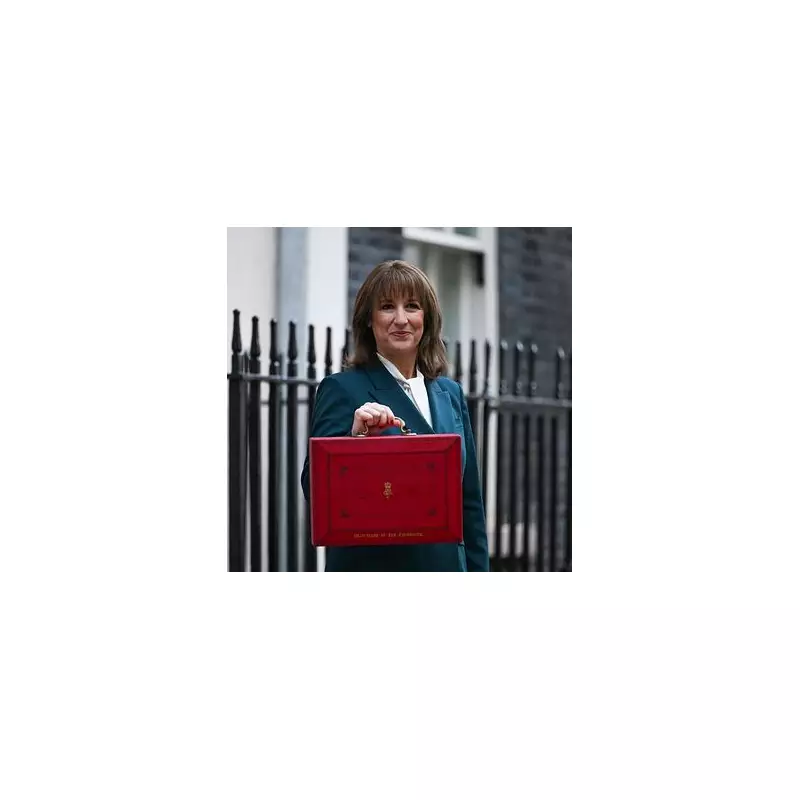
Chancellor Rachel Reeves has firmly defended her decision to break a key Labour manifesto promise by implementing tax rises, as her first Budget pushes the UK's tax burden toward a historic high.
Budget delivers tough medicine for UK economy
In her Autumn Budget delivered on Wednesday, November 26, the Labour Chancellor announced a series of measures designed to address what she described as a £40 billion black hole inherited from the Conservative government. The comprehensive spending plan will see the overall tax take reach 38 per cent of GDP within five years - the highest level ever recorded in the UK.
During a tense interview on BBC Radio 4's Today programme, Reeves was directly challenged on her party's pre-election commitment not to raise taxes. When given the opportunity to apologise for this significant U-turn, the Chancellor stood by her decisions without hesitation.

Chancellor defends 'necessary choices'
"I believe that they were the fair and necessary choices," Reeves stated. "I have to operate within the forecasts that I'm presented with. Of course I could have made different decisions, but I believe they were the right decisions so we could reduce NHS waiting lists."
The Chancellor emphasised that her Budget included substantial measures to address pressing social issues, including a package to lift children out of poverty and efforts to reduce the cost of living for families across the country.
Political backlash and budget leaks
The Budget immediately faced fierce criticism from opposition parties. Reform UK leader Nigel Farage condemned it as an "assault on aspiration and an assault on saving," characterising it as "an Alice-through-the-looking-glass Budget with a healthy dose of socialism thrown in."
Conservative leader Kemi Badenoch launched a scathing attack in Parliament, highlighting what she described as unprecedented leaks of Office for Budget Responsibility analysis and referencing criticism from Andy Haldane, the former chief economist of the Bank of England.
"These leaks have been so serious that even the former chief economist of the Bank of England has said that Labour's fiscal Fandango is the single biggest reason why growth has flatlined," Badenoch told the Commons.
The Budget represents the first major economic test for the new Labour government, setting the stage for ongoing political battles over taxation and public spending in the coming parliamentary session.