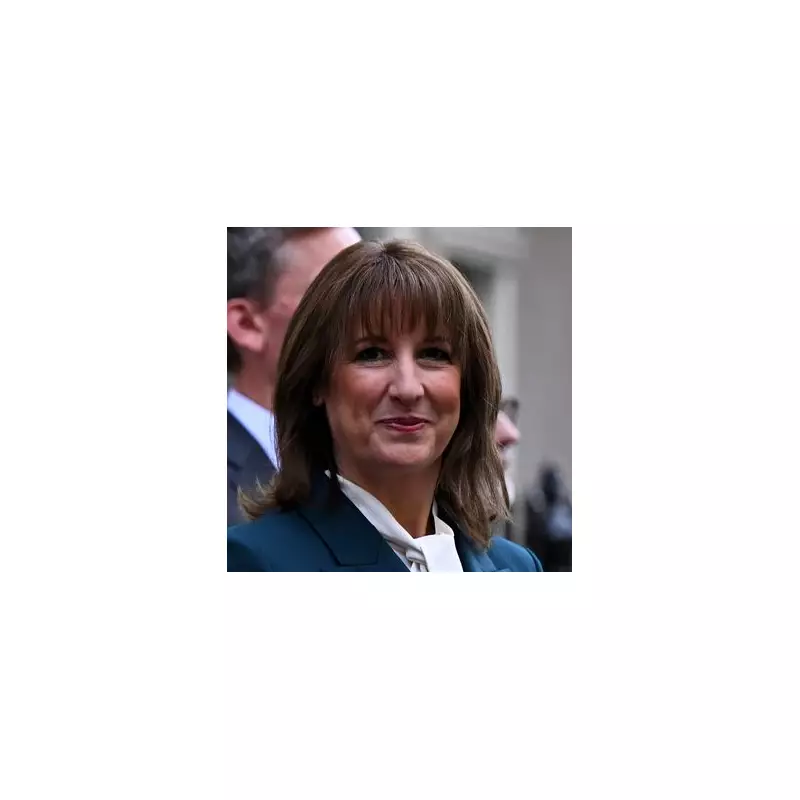
Chancellor Rachel Reeves has unveiled the Labour government's Autumn Budget, confirming a significant extension to the freeze on income tax thresholds.
Three-Year Tax Threshold Freeze
The Chancellor announced that the income tax threshold freeze will be extended for another three years beyond 2028, maintaining current levels throughout the 2028-29, 2029-30 and 2030-31 financial years. This policy, often described as a 'stealth tax', is projected to raise £8.3 billion annually for the Treasury.
By preventing thresholds from rising with inflation, the measure means that more people will move into higher tax bands when they receive pay increases, effectively increasing their tax burden without explicit rate changes.

Budget Impact and Projections
According to the Office for Budget Responsibility (OBR), this extension will create an estimated 920,000 additional higher-rate taxpayers over the coming years.
The overall Budget introduces £26 billion in tax increases, pushing the total tax burden to a record high of 38 percent of GDP by the end of the current parliament. The OBR also indicates that Reeves is now on course to boost her budget headroom to £22 billion.
Fuel Duty Reprieve
In a separate announcement, the Chancellor revealed that fuel duty rates will be frozen for another 10 months, providing relief for petrol and diesel vehicle owners. The duty will remain at 52.95p per litre until September 2026.
This decision maintains the Conservative Party's 5p per litre fuel duty cut that was first introduced in March 2022, which many had expected would be removed in this Budget.
The Budget has drawn criticism from opposition figures, with Andrew Griffith, shadow business secretary, describing the process as "a fiasco from start to finish" and referencing the unprecedented leak of the OBR's report.