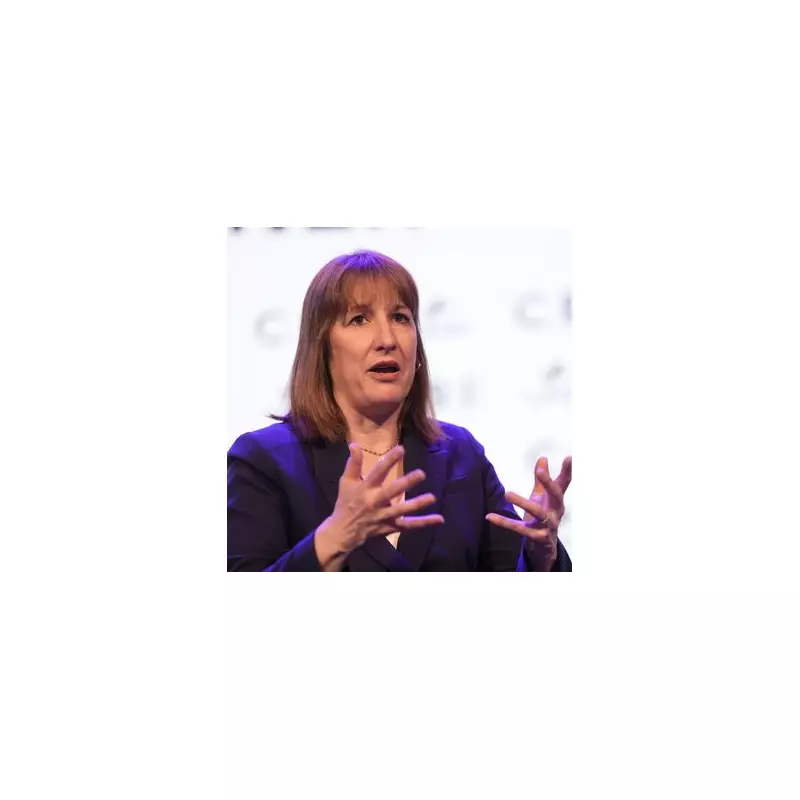
Chancellor Rachel Reeves is poised to confirm a significant stealth tax affecting millions of households across the UK in the upcoming Budget, according to reports.
The move involves extending the current freeze on income tax thresholds, a decision that will see more people paying higher rates of tax as their earnings increase, without an official hike in tax rates.
The Mechanics of the Stealth Tax
At the heart of the announcement is the plan to keep income tax bands frozen. While this might sound neutral, it has a direct financial consequence. As wages and pensions rise with inflation, more individuals will be pulled into higher tax brackets or start paying income tax for the first time.

The freeze is currently scheduled to last until 2028, but the Chancellor is now expected to prolong this period. A particularly stark consequence is that the new state pension is projected to exceed the personal allowance threshold by 2027, meaning a growing number of pensioners will become income tax payers.
Political Fallout and Reactions
The policy has already sparked a fierce political debate. At Prime Minister's Questions, Sir Keir Starmer deliberately avoided ruling out the extension of the tax band freeze. He defended the government's forthcoming Budget, stating, "What we won't do is inflict austerity on the country as they (the Conservatives) did. What we won't do is go on a borrowing spree like they did."
In response, Tory leader Kemi Badenoch was quick to criticise, accusing the government of breaking promises. "It is quite clear they are going to freeze thresholds," she said, adding, "If she (Reeves) breaks such a clear promise how can the public trust what she says next week?"
This development follows the government's recent backtracking on a proposed direct rise in income tax, making the threshold freeze its primary tool for increasing tax revenue.