Reform UK leaders at Staffordshire County Council have announced their first budget, proposing a council tax increase of 3.99 per cent for the 2026/27 financial year. The party, which took control of the authority in May's local elections, stated the below-cap rise demonstrates its commitment to keeping bills 'as low as possible'.
Budget Balances Tax Rise with Service Investment
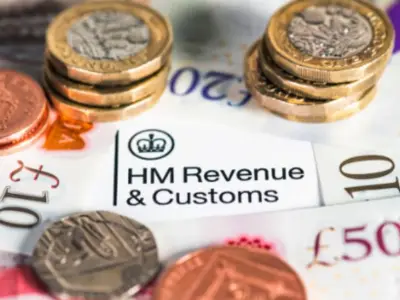
The proposed increase is below the 4.99 per cent maximum councils in England can implement without holding a local referendum. In recent years, Staffordshire and many other authorities have consistently applied the maximum permissible hike.
For a typical Band D household, the rise will mean an extra £64.71 per year, taking the annual county council portion of the bill to £1,686.42. Councillor Chris Large, the cabinet member for finance and resources, defended the proposal, stating his goal was to minimise the increase while maintaining services.

"We've only been in seven months and I've worked hard with the officers to pin down costs," Cllr Large explained. "I would have loved to have come in at 2.99 per cent, but we've got to maintain all of the services we want to do." He added that the government had been "really pushing us hard" to opt for the full 4.99 per cent.
Savings and Strategic Spending Plans
The draft budget outlines £21.5 million in savings, with the most significant measure seeing £8.9 million stripped from care commissioning. This will be achieved through reassessing care packages, bulk-buying care home places, and controlling future fee increases.
Simultaneously, the council plans to invest an additional £5.5 million in children and family services. This funding will pay for 119 new staff with a focus on early intervention. Cllr Large argued this spending was essential, stating that better early support would allow more children to stay at home, creating a positive knock-on effect for long-term costs.
Other notable measures include borrowing an extra £15 million for pothole repairs—a debt that will cost £700,000 annually to service—and a series of smaller savings. These minor cuts include £30,000 less on grit bins and a £47,000 reduction for school crossing patrols.
Cllr Large stood by these comparatively small economies, emphasising that "every penny counts." He stated that research showed many grit bins remained full and that intelligence was being applied to spending. He also confirmed that highways, legal services, libraries, and trading standards would all undergo strategic reviews, insisting there would be 'no sacred cows'.
Political Reaction and Future Risks
The opposition Conservative group has criticised the budget. Councillor Philip White, who leads the group, claimed Reform had largely 'rolled over' budget plans from the previous Tory administration and failed to find the 'wasteful spending' they had campaigned against.
"The many people who voted Reform in May expecting to see their council tax cut will feel betrayed by this near four per cent rise," Cllr White said. He also raised concerns about future financial stability, arguing that a previously balanced three-year budget was now only balanced for one year, creating risks for services down the line.
Councillor Chris Large countered that the one per cent difference from the maximum was a significant commitment to reducing the burden on residents. "At the end of the day, as a council taxpayer in Staffordshire I want to get value for money," he said. "If you ask most council taxpayers, they don't believe they do. So I've got to turn that around."
The county council's financial plan is scheduled for final approval at a full council assembly in February 2026.