Government-appointed commissioners have declared that a return to negotiations to resolve Birmingham's long-running bins strike is no longer a 'viable option' for the city council.
A year of disruption and 'intense attention'
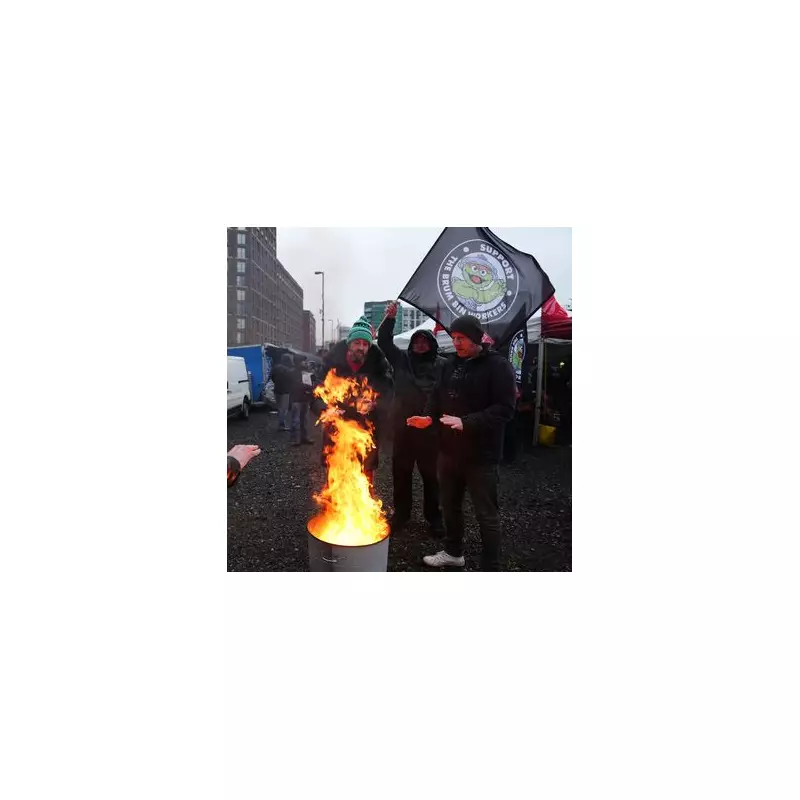
This week marks one full year since the Unite union launched industrial action, which at its peak saw vast mounds of uncollected rubbish accumulating across the city's streets. In a recent report, the commissioners, sent by the government to oversee the council's financial recovery, described the dispute as a high-profile risk and an 'exceptionally difficult period' for the local authority.
They noted the strike had generated 'a high level of media exposure and intense national political attention', particularly during phases of severe waste build-up. Formal talks between the Labour-run council and Unite broke down last summer, with the council stating it had reached 'the absolute limit' of what it could offer.

Council's approach garners commissioner praise
Despite the collapse of talks, which involved 'fractious and contentious discourse often played out publicly', the commissioners commended Birmingham City Council's subsequent actions. They stated the council had moved to resolve the matter by offering alternative arrangements to the workforce, which the majority of staff have accepted.
'Maintaining this direction has required commendable fortitude in the face of frequent criticism and regular protest,' the report said. The commissioners confirmed they support this stance, viewing it as the only viable path forward. They also highlighted the council's contingency plans and the resilience of non-striking staff, which improved the waste situation after a major incident was declared last spring.
Political pressure and calls for talks continue
However, pressure to resume negotiations has persisted. In December, Unite's general secretary Sharon Graham urged the council to 'stop disgracing itself and get back to talks' to find a fair resolution for workers. Similarly, Conservative group leader Councillor Robert Alden challenged council leader John Cotton at a meeting, asking how much longer residents must endure the strike misery.
Councillor Cotton defended the council's position, arguing that Unite had rejected a succession of fair offers. He insisted that conceding to the union's demands would reopen the council's historic equal pay challenges and jeopardise its financial viability. 'I would like to see this dispute brought to a close – but what I will not do is put at risk the financial viability of this council,' he stated.
The road ahead: Rebuilding trust and service transformation
Looking forward, the commissioners emphasised that the council must now focus on implementing robust transformation plans for the waste service. Rebuilding public trust in the redesigned service is cited as critical for long-term success.
The report stresses that the reintroduction of a full recycling service and a new food waste collection must be 'well planned and resourced, clearly communicated and be responsive to local neighbourhood conditions'. The dispute, initially sparked by the loss of the Waste Recycling and Collection Officer (WRCO) role, continues for a small number of workers, with the council pursuing compulsory redundancy in three cases.
The commissioners' report is due to be discussed by a council finance scrutiny committee on Tuesday, 6 January.