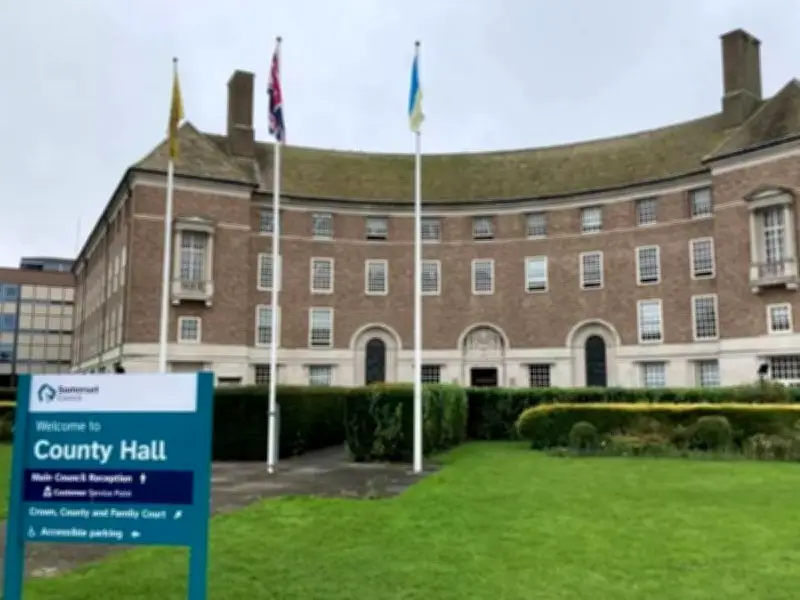
Somerset Council's overall debt levels are expected to drop beneath £1bn within five years if current trends continue, according to a new report. The local authority currently carries hundreds of millions of pounds in debt, largely from external borrowing via the Public Works Loans Board, part of the Treasury. This money finances new schools, roads, and other projects, along with covering commercial investments.
Debt Reduction Despite Increased Borrowing
When the new council was formed in April 2023, it inherited all debt from Somerset County Council and the four district councils it replaced. Finance teams have been working to manage and reduce this debt while bringing expenditure under control. Although borrowing is projected to increase over the next five years—driven by a pledge to deliver more than 500 extra council properties across Somerset—officers have confirmed that overall debt levels will decline, with total debt anticipated to drop below £1bn by the mid-2030s.
A comprehensive report on the council's borrowing and treasury management was released ahead of an audit committee meeting in Taunton on May 28. The council's debt comprises two components: actual borrowing and the capital financing requirement (the amount needed each year to service the debt, including interest payments). As of April 1, total debt stands at £1,124,812,000—roughly £1,900 for every man, woman, and child in Somerset.

Projected Debt Trajectory
Total debt is anticipated to climb further by the end of the current financial year, surpassing £1.13bn, but is then projected to decline annually over the subsequent four years, dropping to just over £1bn by April 2031. A council spokesperson said: "The council's overall borrowing requirement has reduced. This reflects the progress on asset sales and changes to the capital programme as part of setting the 2026/27 budget. As a result, the council currently holds less debt than it did on April 1, 2023. While future forecasts do show borrowing increasing over time, these figures include borrowing for the housing revenue account [i.e., council house-building], which is a key driver of projected increases in later years. We continue to take a prudent and active approach to managing our debt. This includes reducing borrowing where possible, closely reviewing capital spending, and making use of receipts from asset disposals."
Impact on Revenue Budget
The council must set aside a portion of its annual revenue budget to service borrowing costs, including interest—funds that cannot be directed toward front-line services such as children's services, adult social care, or repairing potholes. In the 2026/27 budget, this figure is forecast at just over £50m, equivalent to slightly under seven per cent of the total revenue budget. This proportion is expected to remain broadly stable over the following five years, with repayment levels edging up to just over seven per cent in 2027/28 before easing back.
Future Outlook and Risk Management
While borrowing is anticipated to grow during this period, the five-year outlook also points to a corresponding rise in council tax income, driven by new housing development, alongside increased grant funding from central government. A spokesperson explained: "In terms of the proportion of the revenue budget used to service debt, this varies over time depending on borrowing levels and interest rates. We are focused on managing these costs through its financial strategy, including limiting new borrowing where possible and maintaining a balanced and sustainable budget position. We are not reliant on interest rate cuts to manage its borrowing costs. Our treasury management approach is designed to manage risk over the long term, including fluctuations in interest rates." The council expects to comply with CIPFA's Prudential Code recommendation that total debt should be lower than its highest forecast capital financing requirement over the next three years.