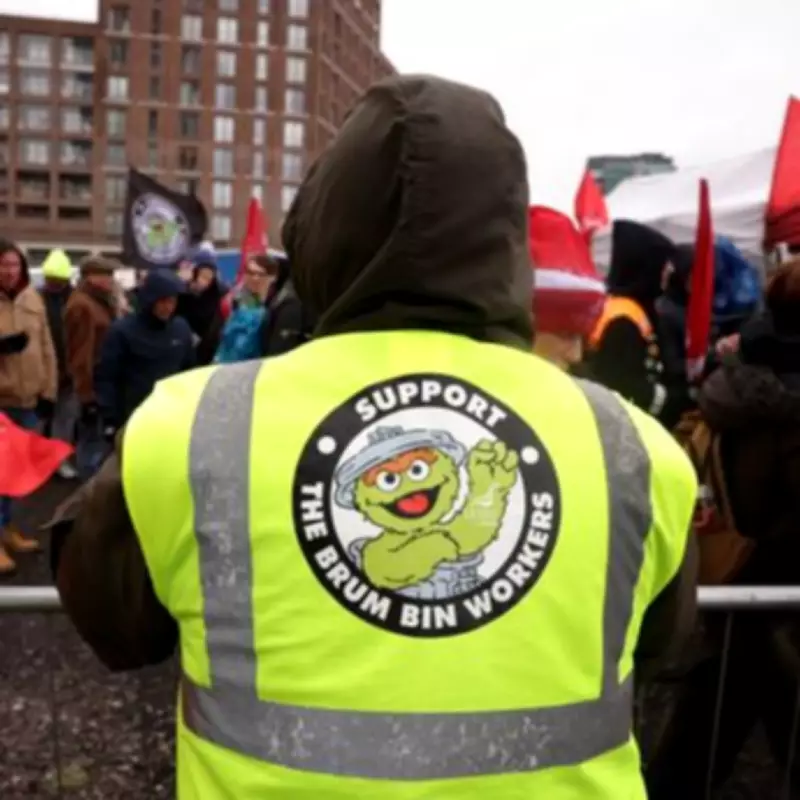
Birmingham's Bin Strike Marks One Full Year of Industrial Action
Today signifies a somber milestone for Birmingham as the city's bin strike reaches its one-year anniversary. The ongoing industrial action, which shows no immediate signs of resolution, has deep historical roots that extend back several years.
Historical Context and Political Failures
The bin strike emerged as a central topic during last month's city council budget meeting. Council leader John Cotton emphasized that waste service issues have troubled the council for nearly two decades. "We will not repeat the mistakes of the past," declared the Labour council leader. "Mistakes made by the three main parties in this chamber."
Cotton specifically referenced deals brokered by the Conservatives and Liberal Democrats in 2008 and 2011, along with agreements made by his own party in 2017 and 2019. According to him, these arrangements failed to modernize the service or establish lasting industrial harmony.

Financial Crisis and Service Transformation
The current strike unfolds against the backdrop of a severe financial crisis that left Birmingham City Council declaring effective bankruptcy in September 2023. Multiple factors contributed to this situation, including an equal pay debacle and the disastrous implementation of an IT system at the Labour-run council.
While the council maintains that proposed waste service transformation aligns with national practice and isn't directly related to its debt, the modernization plans have been described as crucial to the council's financial recovery strategy and necessary savings measures.
Strike Origins and Escalation
Modernization proposals quickly sparked anger among bin workers, particularly regarding the elimination of the Waste Recycling and Collection Officer role resulting from a previous strike. Unite the union claimed certain workers faced pay cuts of £8,000, though the council disputes this figure.
With both parties unable to reach agreement, the strike officially commenced in January 2025. The impact became immediately apparent as recycling collections were suspended in February and have yet to resume thirteen months later.
The dispute escalated dramatically on March 11 with an "indefinite" all-out strike that created massive rubbish piles throughout city streets. This development raised public health concerns about rodents and generated negative international headlines about Birmingham.
Year of Turbulence and Disruption
The following months represented a turbulent chapter in Birmingham's history. The council declared a major incident to address approximately 17,000 tonnes of uncollected waste backlog. Residents described living near enormous rubbish piles as "hell," while protesters regularly disrupted council meetings throughout the year.
National politicians found themselves drawn into the controversy, with former local government minister Jim McMahon insisting Birmingham "will always have a reputation of being a fantastic, thriving city" despite the negative coverage.
Negotiation Breakdown and Continuing Deadlock
After months of disruption, negotiations between the council and Unite collapsed last summer. The council stated it had "reached the absolute limit of what we can offer" amid equal pay concerns.
Unite claims a "ball park" deal was agreed upon last year following extensive discussions but couldn't gain approval from government-appointed commissioners overseeing the council's financial recovery. The union says it rejected a subsequent, significantly lower offer before negotiations ceased entirely.
The strike has now entered its second year with no resumed negotiations despite calls from Unite and opposition councillors to restart talks. Council managing director Joanne Roney recently cited equal pay and financial considerations as presenting "incredibly difficult hurdles."
Financial Costs and Legal Measures
A recent report reveals forecasted one-off and direct strike costs will total £14.6 million if the action continues through March. The council has taken legal measures to minimize disruption, with the High Court granting an injunction "against persons unknown to tackle blockading or obstruction" at waste depots.

Political Implications and Future Plans
The bin strike is poised to influence upcoming local elections in May, which will determine which party or coalition governs Birmingham City Council for the next four years. Labour candidates are expected to argue they made a "fair and reasonable offer" to Unite while blaming previous Conservative government funding cuts for the council's financial crisis.
Meanwhile, bins strike protesters have warned Birmingham Labour they may pay a heavy political price if the situation remains unresolved when voters head to the polls.
Service Transformation Moving Forward
Regarding the waste service's future, the council announced transformation plans—including the return of recycling collections—will be implemented in phases across Birmingham beginning in June, regardless of ongoing strike action. This would occur approximately fifteen months after collections were initially suspended.
"Of course we all want a resolution," council leader John Cotton stated during February's budget meeting, "but I have been clear throughout that I will not put this council's future financial stability at risk. My commitment remains for a negotiated settlement—but not one at any price."
Cotton added: "We will not repeat the mistakes of the past. In the meantime, we have a plan to bring back recycling and green waste, and to introduce food waste recycling in the months ahead—with a pilot launching in a matter of weeks."
With negotiations stalled and both sides maintaining firm positions, Birmingham's bin strike—with origins arguably dating back years—appears far from conclusion as it enters its second year of disruption.