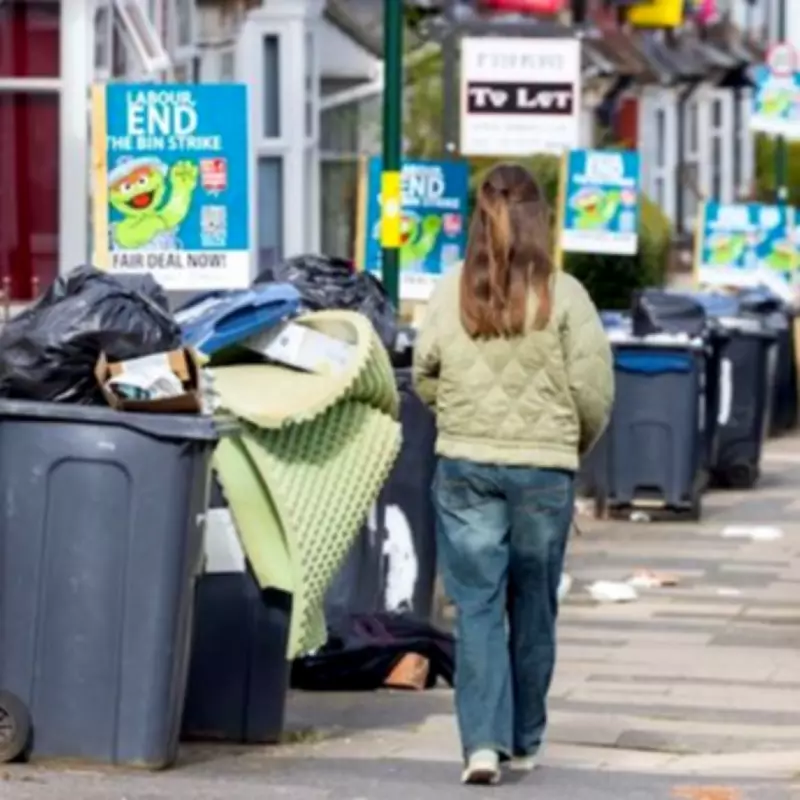
Birmingham’s bin strike has raged for a frankly embarrassingly long time - but it might be close to an end. It has become one of the most disruptive industrial disputes the city has faced in years, leaving streets lined with uncollected rubbish and sparking a political and financial crisis.
What began in early 2025 as a row over job roles and pay quickly escalated into an all-out strike, drawing in the government, the courts and national union leaders.
However, finally, we have seen a chink of light after a deal was struck to bring it to an end. This timeline charts the key moments since the strike began — showing how a local dispute spiralled into a long-running crisis.

January 2025 - strike starts
The Birmingham bin strike began with initial industrial action on January 6, 2025. The dispute began with intermittent strike action in early January, as refuse workers represented by Unite the Union opposed plans by Birmingham City Council to remove Waste Recycling and Collection Officer (WRCO) roles. Workers argued the changes would lead to significant pay cuts and safety concerns, while the council said the role was outdated and created legal risks around equal pay.
February 2025
By February, strikes intensified, with hundreds of workers involved. Unite warned the council’s proposals could leave some staff thousands of pounds worse off annually, hardening positions on both sides. This period marked the transition from a workplace disagreement to a full-scale industrial dispute.
11 March 2025 – All-out strike begins
On March 11, workers launched indefinite strike action, bringing large parts of Birmingham’s bin collections to a halt. The move dramatically escalated the crisis, shifting from disruption to widespread service failure across the city.
Late March 2025 – ‘Major incident’ declared
As rubbish piled up across Birmingham, the council declared a major incident after around 17,000 tonnes of waste went uncollected. The declaration highlighted the growing public health concerns and marked a turning point, with the crisis becoming national news.
April 2025 – Workers reject deal
Striking workers overwhelmingly rejected a proposed deal from the council, describing it as inadequate and failing to address pay concerns. This effectively prolonged the dispute and signalled that a quick resolution was unlikely.
May 2025 – Mass ‘megapicket’ protests
In May, large-scale solidarity protests — known as “megapickets” — were held outside depots, drawing support from other unions and high-profile figures. These demonstrations showed the dispute had grown beyond Birmingham into a wider national labour issue.
July 2025
Unite announced it would review its relationship with the Labour Party. This marked a significant escalation, turning a local dispute into a politically charged national issue.
October 2025
By October, the financial toll became clear, with the strike estimated to have cost the council around £14 million. At the same time, controversy grew over equal pay calculations, with accusations that earlier figures had been overstated.
November 2025
In November, allegations surfaced that agency workers were being discouraged from joining picket lines and could be denied future employment. Unite called for an investigation, while further claims of bullying and workplace monitoring intensified tensions.
December 2025 – Agency workers join strike
Some agency workers voted to join strike action, citing poor conditions and treatment. This broadened the dispute and increased pressure on the council’s ability to maintain services.
January 2026 – Costs soar past £30m
A new report revealed the cost of the strike had risen to more than £33 million, underlining the long-term financial impact on the city.
February 2026
Footage emerged of a senior council figure removing pro-strike placards from streets, sparking further controversy and criticism from union supporters.
April 2026
Ahead of an all-out general election, Labour announces a long-awaited deal has been struck that could bring the strike to an end.