Birmingham Bins Strike Reaches One-Year Milestone with No End in Sight
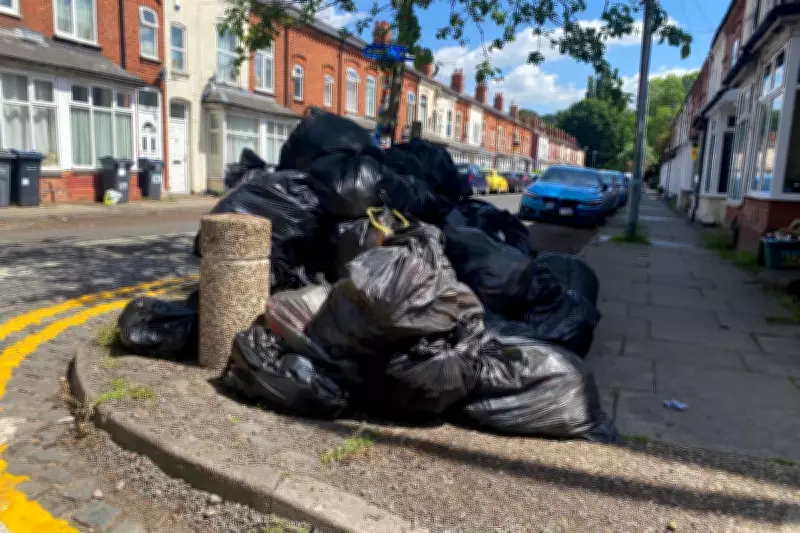
This week marks a grim milestone for Birmingham as the all-out bins strike hits its one-year anniversary, with no resolution in sight. The industrial action, which began in March 2025, continues to disrupt waste collection across the city, leaving residents grappling with piled-up rubbish and suspended services.
Historical Context and Council Failures
The roots of the strike stretch back nearly two decades, as highlighted by council leader John Cotton at a recent budget meeting. He argued that mistakes by all three main political parties have plagued the waste service, with deals brokered in 2008, 2011, 2017, and 2019 failing to modernize operations or ensure lasting industrial peace. This backdrop is compounded by the council's financial crisis, which led to a declaration of effective bankruptcy in September 2023, driven by issues like an equal pay debacle and a disastrous IT system implementation.
Strike Origins and Escalation
Plans to modernize the waste service sparked anger among bin workers, particularly over the loss of the Waste Recycling and Collection Officer role from a previous strike. Unite the union claimed some workers faced pay cuts of up to £8,000, a figure disputed by the council. With no resolution, the strike officially started in January 2025, escalating to an indefinite all-out strike by March 11. This led to massive rubbish heaps in streets, fears of rats, and negative international headlines, prompting the council to declare a major incident to clear around 17,000 tonnes of uncollected waste.

Ongoing Disruption and Financial Impact
Residents have described living near rubbish piles as hell, with recycling collections suspended since February 2025 and yet to resume. The strike has also seen dramatic protests, including megapickets at depots and interruptions at council meetings by activists in giant rat costumes. Financially, the council forecasts one-off and direct costs of £14.6 million if the strike continues to the end of March, adding pressure to an already strained budget.
Negotiations and Political Fallout
Negotiations between the council and Unite broke down last summer, with the council stating it had reached the absolute limit of what it could offer due to equal pay concerns. Unite claims a ball park deal was agreed but blocked by government-appointed commissioners overseeing the council's recovery. The strike has since dragged into its second year, with no talks resuming despite calls from the union and opposition councillors. Council managing director Joanne Roney cited incredibly difficult hurdles related to equal pay and finances.
Future Prospects and Local Elections
Attention now turns to what happens next, with the strike set to influence the upcoming local elections in May. Labour candidates are expected to argue that a fair and reasonable offer was made and blame previous government funding cuts, while protesters warn of electoral consequences if the issue remains unresolved. The council plans to roll out transformation phases from June, including the return of recycling collections, regardless of the strike's status. Council leader Cotton emphasized a commitment to a negotiated settlement but not at any price, vowing not to repeat past mistakes.
As the bins strike continues to unfold, its impact on Birmingham's community and politics remains profound, with residents and workers alike awaiting a breakthrough in this protracted dispute.