Birmingham Council Faces Mounting Pressure Over Government Migration Reforms
Birmingham City Council is being urged by campaigners and refugees to take a firm stand against what they describe as 'nightmarish' government proposals to overhaul the legal migration system. The calls come as Home Secretary Shabana Mahmood, who represents Birmingham Ladywood, faces criticism over plans announced last November that would dramatically extend the time required for migrants to gain permanent settlement in the UK.
Proposed Changes Spark Widespread Concern
The government's proposed reforms represent what has been termed the 'biggest shake-up' of legal migration in nearly fifty years. Under the new system, the standard qualifying period for permanent settlement would double from five to ten years, with specific provisions for those deemed to be making significant contributions to British society.
However, the most controversial elements involve much longer waiting periods for certain groups:

- Low-paid workers would face a 15-year baseline before becoming eligible for settlement
- Migrants who have relied on benefits could be required to wait up to 20 years – quadruple the current period
- This would establish the longest settlement waiting period in Europe
Campaigners Mobilise Against 'Decades of Limbo'
The proposals have generated significant opposition across the West Midlands and beyond. An online petition arguing that the plans 'delay lives, hopes, and dreams' has already gathered more than 14,700 signatures as of early February.
Liberal Democrat Councillor Izzy Knowles recently proposed a motion amendment calling on the Labour-run council to formally criticise the government's approach, describing the measures as 'counterproductive' and warning they would condemn asylum seekers to 'decades of limbo'. However, this amendment failed to pass following a vote among councillors.
Charity Response and Refugee Perspectives
Emma Birks, West Midlands Campaign Manager at the charity Asylum Matters, expressed deep disappointment at the council's decision not to support the amendment. 'The government plans put the very concept of sanctuary under threat,' she argued. 'It's a blow for refugees, asylum seekers and everyone who wants to live in a welcoming city where everyone can feel safe and secure.'
Birks emphasised Birmingham's historical identity as a city built by people from around the world, questioning how different the city would look if previous generations had faced similar barriers. 'Without settlement, without the right to reunite with children and family members, how can anyone be expected to rebuild a life, to work, to make friends, to truly become part of our community?' she asked.
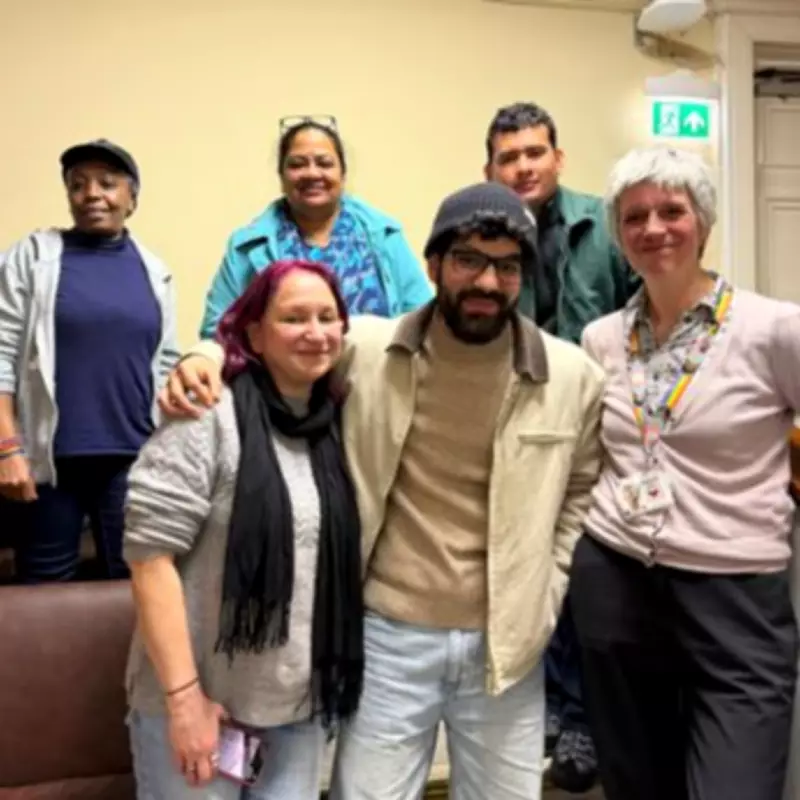
Ahmed, a Syrian refugee now living in Birmingham, shared his concerns directly with the Local Democracy Reporting Service. '[The government plans] are going to make it harder for us to settle here,' he said. 'It's going to make it impossible for a lot of people to reunite with their families. It's just going to leave them in limbo, not knowing what they're going to do next.'
Political Responses and Council Position
Councillor Knowles expressed her disappointment with the council's decision, stating she would like to see Birmingham City Council honour its pledges as a City of Sanctuary. 'I'm really disappointed actually that they didn't support this amendment because it was a pushback against the government and their latest proposals, which are not going to help,' she said. 'All it's going to do is cause more hardship for people who are trying their absolute best to add to our economy and become part of our communities.'
The Home Office defended its position, with a spokesperson stating: 'The Home Secretary has set out the most sweeping reforms to tackle illegal migration in modern times, restoring order and control to our border. At the same time, we are developing new safe and legal routes to ensure the UK continues to offer sanctuary to those genuinely fleeing war and persecution.'

The spokesperson added that other pathways remain available for eligible individuals seeking family reunification, acknowledging the devastating circumstances some families face.
Broader Context and Future Directions
In her November announcement, Home Secretary Mahmood acknowledged that migration has 'always been a vital part of Britain's story' but argued that 'the scale of arrivals in recent years has been unprecedented.' She emphasised that 'to settle in this country forever is not a right but a privilege – and it must be earned.'
While Birmingham City Council declined to provide direct comment on the specific concerns raised, its proposed City of Sanctuary Strategy for the next five years offers insight into its broader approach. The strategy document states: 'Our legacy of welcoming those seeking safety and opportunity is woven into the fabric of our communities. We will lead with compassion, empower sanctuary seekers and build a city where everyone belongs.'
The document continues: 'Birmingham has always been a city that opens its arms. Our streets, schools, and workplaces tell the story of generations who came here seeking a better life. This strategy builds on that legacy.'
As the debate continues, campaigners maintain their call for Birmingham Council to take stronger action against the proposed reforms, arguing that the city's identity and community cohesion are at stake. The tension between national policy objectives and local community values appears set to remain a significant political issue in the coming months, with Birmingham positioned at the heart of this contentious national conversation about migration, settlement, and what it means to belong in modern Britain.