Birmingham Independents Push for Political 'Shake-Up' Amid Council Crisis
An all-out Birmingham Council election will be held in May, marking a critical moment after a turbulent period for the city. This follows Birmingham City Council declaring itself effectively bankrupt and implementing unprecedented service cuts.
Residents Rally Against Service Cuts
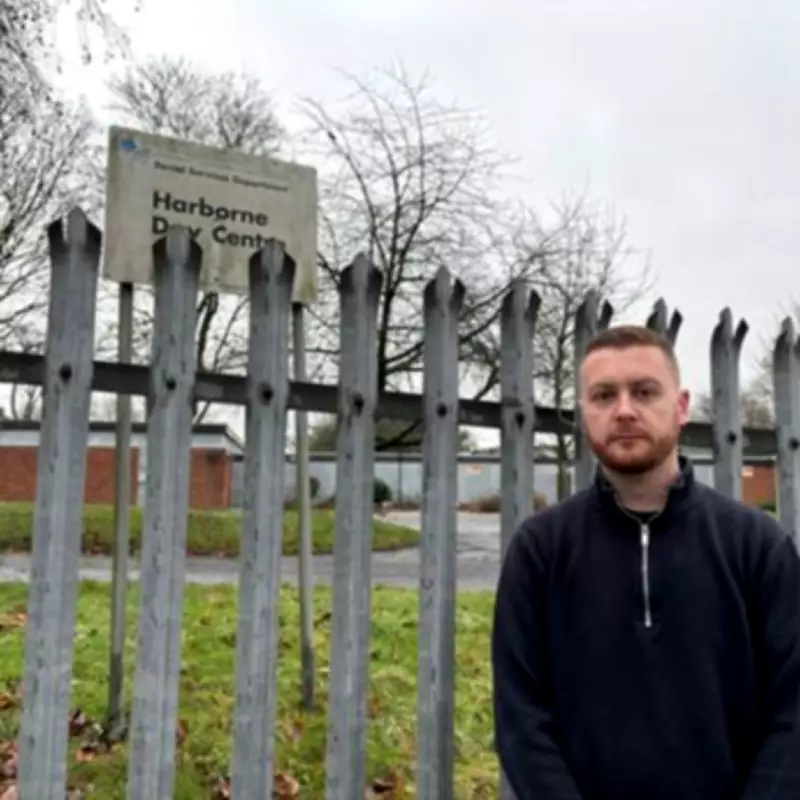
James Cross, an independent candidate in the upcoming elections, highlights the closure of the former Harborne Day Centre as a key issue. "It's a sorry sight," he says, noting the building once provided vital care for vulnerable adults but now stands vacant with locked gates and covered windows.
The centre was one of four closed controversially last year, spurring Cross to enter politics after a family member was affected. He argues that residents have lost faith in main political parties due to damaging cuts across the city.

"I've seen the importance of adult day services and how much they're needed – they've gone from nine down to five day centres now," Cross explains. He points to ongoing issues like the bins dispute, where some residents walk long distances to get waste collected, and uncertainty over Harborne Library's future.
Independents Gain Momentum
Cross believes now is the perfect time for independent candidates, citing national politics being "in the gutter" and voter frustration. "I think we need fresh people in the council," he says. "We're very used to having the same people with the same policies. It's time to shake it up a bit and have different voices."
He is campaigning alongside former Labour councillor Martin Brooks, who quit the party in late 2024 over disagreements with council plans for libraries and day centres. Brooks accuses the Labour administration of "gross incompetence" and warns cuts threaten the city's social fabric.
"I was particularly concerned about the closure of Harborne Day Centre," Brooks says. "It affects users, carers, and families. People in Harborne were angry to see this facility taken from the most vulnerable."
Election Dynamics and Challenges
With all 101 council seats contested, the May election will determine which party or coalition runs Birmingham for the next four years. Labour aims to retain control but faces opposition from Conservatives, Liberal Democrats, Green Party, Reform UK, and independents.
Brooks notes independents face challenges due to lack of party infrastructure and electoral data but remains confident in Harborne. He suggests no party may gain an overall majority, potentially leading to more consensus-based governance.
Labour council leader John Cotton defends the council's actions, stating residents understand tough decisions were necessary for long-term stability. "We've had to do some difficult things to turn the council around," he says, highlighting collaboration with a Labour Mayor and government to address austerity legacy.
Background and Broader Issues
The council's financial crisis was fueled by Birmingham-specific issues like equal pay and Oracle debacles, alongside funding cuts from previous governments. In response to day centre closures, Labour councillor Rob Pocock emphasized cost-saving and modernizing services for the 21st century.
As the election approaches, candidates across parties prepare for a competitive race. The Conservatives have confirmed Hugo Rasenberg and Amaar Shahzada as candidates in Harborne, with full candidate lists to be published in April.
This election represents a pivotal moment for Birmingham, with independents hoping to disrupt traditional politics and address community concerns head-on.