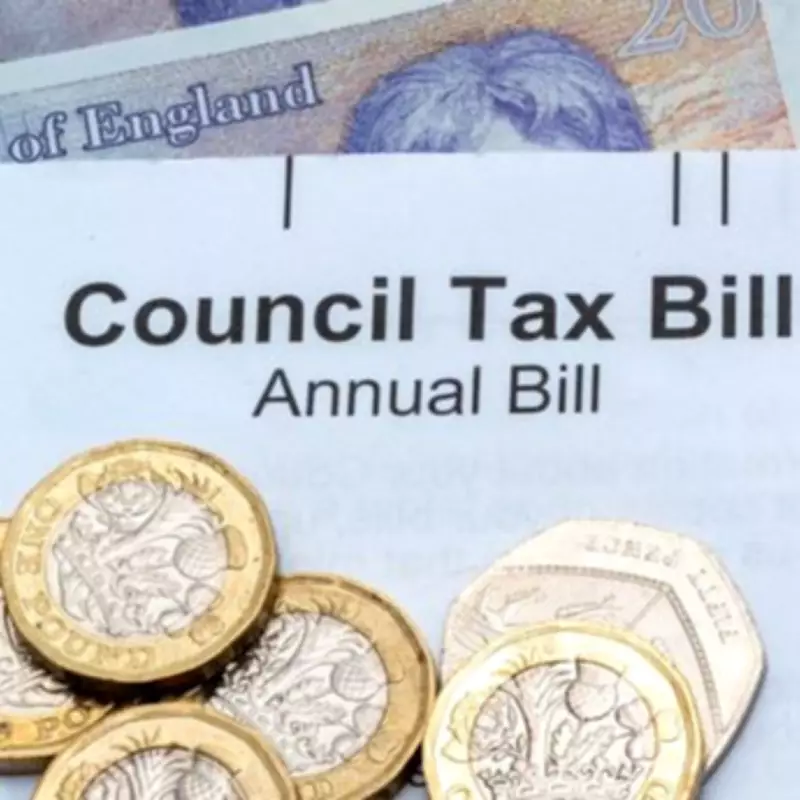
Council Tax Band D Households Face £84 Annual Increase for 20mph Zone Funding
Residents in two Liberal Democrat-controlled councils will experience significant council tax increases starting in April to finance a comprehensive £3.5 million rollout of new 20mph speed zones across urban areas.
Maximum Tax Rise Implemented
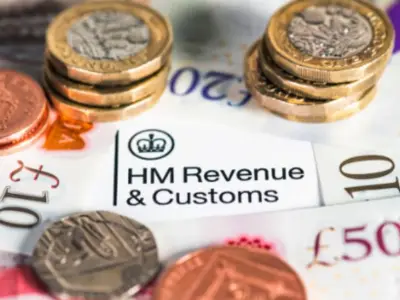
Both Gloucestershire and Hertfordshire councils have voted to implement the maximum allowable council tax increase of 4.99 percent, which does not require special permission from central government authorities. This decision directly translates to an additional £84 per year for the average Band D council tax bill across these regions.
Council Leadership Defends Safety Initiative
Lisa Spivey, leader of Gloucestershire Council, strongly defended the policy initiative, stating: "Implementing lower speed limits addresses more than just accident reduction statistics. These zones actively create healthier community environments with improved air quality standards, enhance pedestrian safety perceptions, and encourage increased walking and cycling participation among residents."

Liberal Democrat councillor Paul Zukowskyj reinforced these arguments, emphasizing that "these zones demonstrably make communities safer and improve parental confidence about children walking to school independently." He cited specific data indicating "a substantial 25 percent reduction in casualty rates following 20mph zone implementation."
Political Opposition and Criticism
Matthew Hurst, a Reform UK councillor representing Hertfordshire, voiced strong opposition to the tax-funded initiative, describing it as "an unaffordable, unpopular, and completely unnecessary Liberal Democrat vanity project" given current council financial constraints.
Hurst further criticized the program's effectiveness, noting that "compliance rates within these zones remain notoriously poor, seriously questioning their practical impact" and claiming there exists "scant concrete evidence demonstrating significant incident reduction or lives saved through these measures."
Implementation Strategy and Historical Context
Councillor Zukowskyj provided important context about the program's evolution, revealing that the previous Conservative administration initially introduced 20mph zones but "littered those areas with speed humps, making the whole concept considerably less attractive to community members."
The current approach utilizes "a sign-only implementation strategy" that Zukowskyj believes improves community acceptance. With the additional £1.5 million funding from the tax increase, he projects that "more than 50 percent of urban streets throughout Hertfordshire will feature 20mph limits, representing a genuinely significant community safety achievement."
Government Guidance and Policy Framework
The initiative operates within established Labour Party government guidelines that specify councils "should only introduce 20mph limits and zones in appropriate locations, implemented gradually over time with demonstrable local support, specifically within urban areas and built-up village streets that are primarily residential in character."
This council tax funding mechanism enables both Gloucestershire and Hertfordshire to accelerate their low-speed zone expansion while navigating current financial limitations and adhering to national policy frameworks governing traffic management and community safety initiatives.