Dudley Council Leader Slams Reform UK's £652m Debt Claim as 'Misguided'
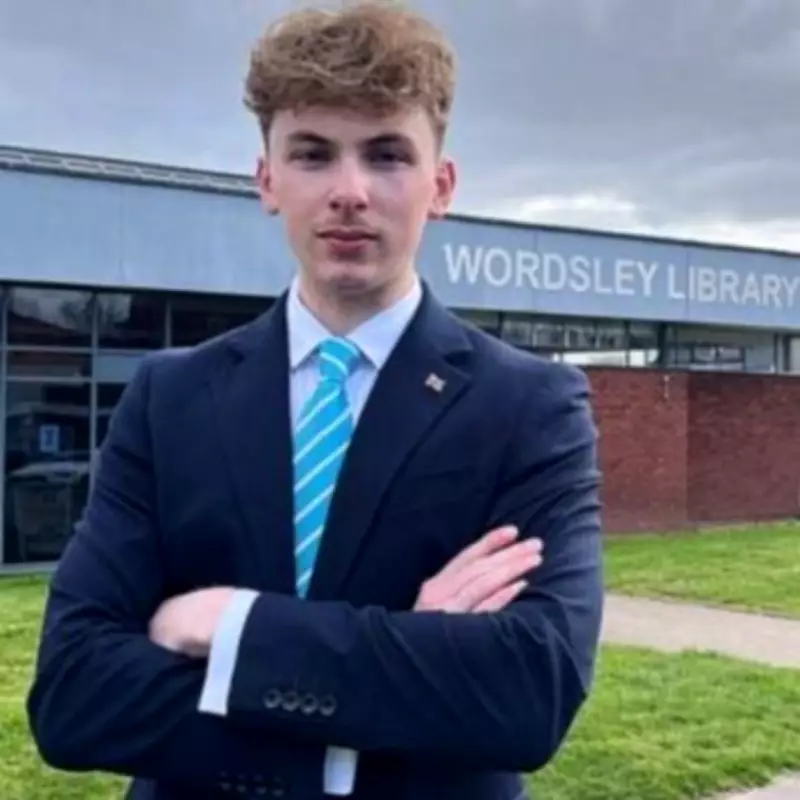
A Reform UK election leaflet claiming Dudley Council is £652 million in debt has been strongly dismissed as misguided by the authority's leader, sparking a heated political debate ahead of local elections. The leaflet, produced by researchers at Reform headquarters and published online by candidate Samuel Hussey for the Wordsley North ward, uses government data on local government finance to criticize the council's financial management.
Reform UK's Accusations and Council Response
In a social media post sharing the leaflet, Mr Hussey stated: "A Tory dominated chamber has been a disaster for Dudley Council. Potholes, bins not emptied, local greenbelts under attack and council tax skyrocketing all whilst sitting councillors do nothing." The council is currently run by a minority Conservative administration.
Council leader Cllr Patrick Harley responded by explaining that much of the £652 million figure represents long-term borrowing over decades to fund large capital projects, linked to specific ring-fenced areas of funding. He emphasized: "This is the long-term borrowing which all councils use to plan long-term projects and borrowing. It's down from over 800m several years ago. Some of this will date back almost 40 years so his comments are misguided and it's clear he doesn't understand local government finance."

Cllr Harley further clarified that local authorities are legally permitted to borrow to support capital expenditure, including housing, highways, and schools. He assured: "The council operates within statutory financial codes and we regularly assess the affordability of borrowing to ensure we can achieve a balanced budget, while continuing to invest in essential infrastructure and services for Dudley residents."
Reform UK Defends Its Position
Despite the criticism, Reform UK remains unapologetic about using the total borrowing figure to challenge the current administration. Cllr Shaun Keasey, leader of the Reform group on Dudley Council, argued: "The figure on the leaflet is Dudley Council's total borrowing, and that is a matter of public record. Yes, that includes borrowing from the Public Works Loan Board to fund major projects but let's be clear: that money still has to be paid back by local taxpayers, with interest."
He added: "Residents don't experience 'technical definitions,' they experience the consequences. Higher costs, tighter budgets, and financial pressure all come from that overall level of borrowing. So we make no apology for highlighting the full scale of the council's debt because people deserve to know the true financial position."
Broader Context and Council Policies
In the 2026 budget, Dudley Council increased council tax by 4.99 percent, unchanged from the previous year. According to the Ministry of Housing, Communities and Local Government, this rate is the same as 246 other local authorities in England, indicating a broader trend rather than an isolated issue.
Additionally, Cllr Harley has committed to a policy of no building on greenbelt land in the borough, stating: "We have all got to pull together – whoever is the government of the day trying to force us to build on green belt, we have got to be united and try to stop them for as long as we can." This stance addresses one of the concerns raised in Reform UK's leaflet, highlighting ongoing tensions between development pressures and environmental preservation.
The dispute underscores deeper political divisions as local elections approach, with Reform UK leveraging financial data to critique council performance, while the administration defends its borrowing as necessary for long-term community investment. Both sides present contrasting views on transparency, fiscal responsibility, and the real-world impact of council decisions on residents.