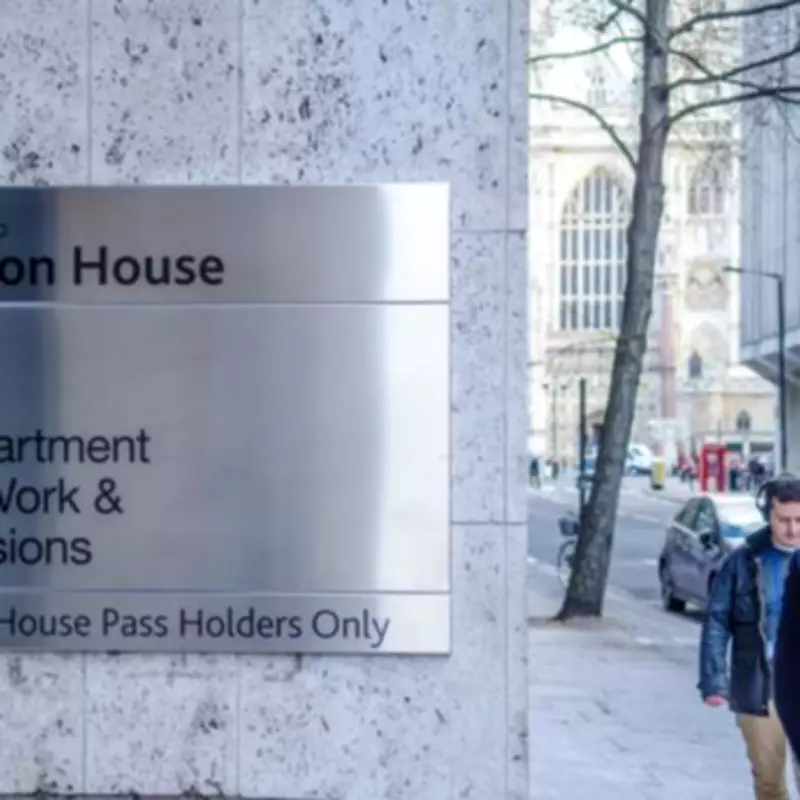
DWP Bank Account Checks Set to Affect 100,000 People in Initial Year
The Department for Work and Pensions (DWP) is moving forward with controversial new powers that will allow access to bank accounts and cash seizures as part of a crackdown on fraud and error. These measures, currently in a consultation phase that ends on February 27, 2026, are projected to impact as many as 100,000 individuals during the first year of implementation. The initiative targets claimants of Pension Credit, Universal Credit, and Employment Support Allowance, aligning with Labour's efforts to address escalating welfare payments.
Projected Savings and Operational Details
According to DWP estimates, the new powers are expected to identify between 50,000 and 100,000 overpayments annually once fully operational. The Office of Budget Responsibility has validated projections indicating potential savings of £940 million over a five-year period. This financial impact underscores the government's drive to reduce errors and fraudulent claims within the welfare system.
Charity Concerns and Public Backlash
However, numerous charities have expressed serious reservations about the proposals. Claire Atchia McMaster from Turn2us warned that the legislation risks fuelling stigma and deterring individuals from claiming essential support. She emphasized that automated decision-making without transparency could exacerbate financial hardship, advocating for a benefits system focused on support rather than suspicion.

Disability charity Scope highlighted that trust in the DWP among disabled people is at an all-time low and requires rebuilding. They cautioned that the rising cost of living has already pushed disabled individuals to their limits, and these new measures could further strain their financial stability.
Broader Implications and Future Steps
The consultation process allows for public input until late February 2026, after which the DWP plans to roll out the powers. This move is part of a broader strategy to enhance accountability and efficiency in welfare distribution, but it raises significant questions about privacy, fairness, and the potential for unintended consequences on vulnerable populations.