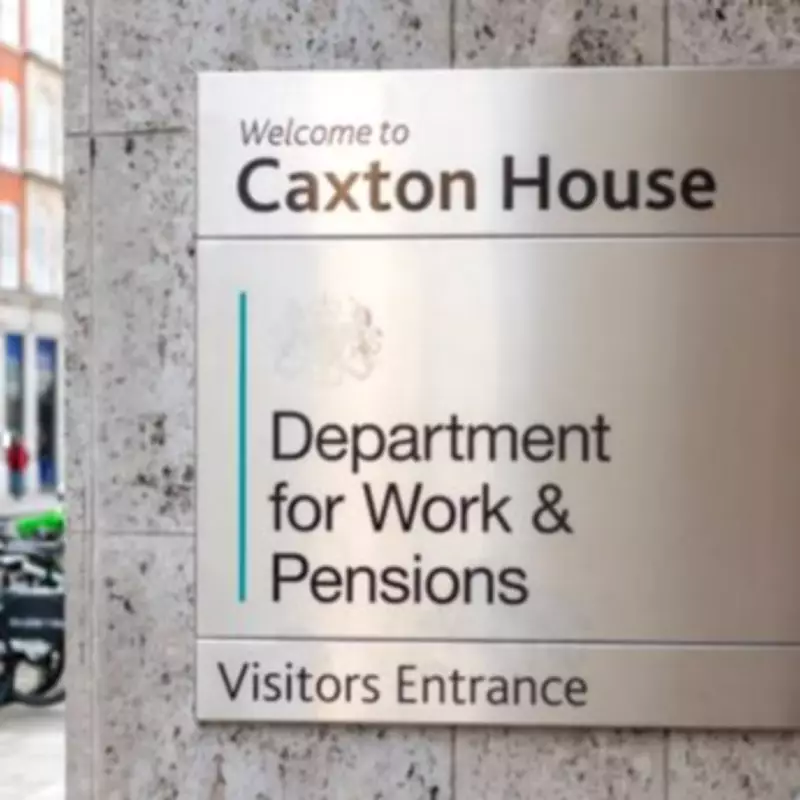
DWP Granted New Powers to Search Homes and Seize Evidence in Benefits Crackdown
The Department for Work and Pensions is set to receive significant new authority to search homes and seize evidence as part of a major crackdown on benefits fraud. Under legislation proposed by the Labour Party government, DWP staff will be empowered to obtain search warrants from courts and conduct searches to gather evidence in serious fraud cases.
Expanded Financial Investigation Powers
In addition to physical search capabilities, the new measures will allow benefits department officials to compel banks and financial institutions to hand over detailed information about claimants. Bank staff will be required to provide data where overpayment, fraud, or error is suspected, significantly expanding the DWP's investigative reach.
The initial focus of these enhanced powers will target the three benefits with the highest rates of fraud: Universal Credit, Pension Credit, and Employment and Support Allowance (ESA). These benefits have been identified as priority areas for fraud prevention efforts.

Serious and Organised Crime Focus
Buried within the proposed legislation, the DWP states that these measures will boost their ability to tackle serious and organised crime. Authorised investigators will be able to apply for search warrants, conduct searches, and seize evidence to aid investigations into the most serious cases of welfare system fraud.
The powers will include ancillary capabilities such as obtaining production orders to dispose of seized items. According to the DWP, this will benefit police forces by reducing the number of officers required to remain at scenes post-arrest and decreasing administrative burdens, as DWP investigators will handle warrant applications and evidence logging.
Efficiency Improvements and Concerns
The DWP anticipates greater administrative efficiency from these changes, including the ability to seize evidence and sift it off-site, shortening the evidence chain. The department will also be able to apply to courts to dispose of seized evidence when necessary.
However, concerns have been raised about the potential for overreach. Sir Geoffrey Clifton-Brown, Chair of the Public Accounts Committee, issued a warning about the new powers, stating: "Make no mistake, the DWP's new powers to reach further into citizens' lives are significant."
While supporting the government's responsibility to ensure correct benefit payments, Clifton-Brown emphasized that these extensive new powers—including compulsory disclosure from banks and direct recovery of funds from accounts without court assistance—must have safeguards against overreach from the outset.
Historical Context and Recommendations
The Public Accounts Committee report highlights that this marks the 37th consecutive year in which the DWP's accounts have been qualified by the UK's chief auditor due to material levels of fraud and error. Clifton-Brown noted that current ambitions to address unacceptable levels of benefit fraud and error are not stretching enough.
The report calls for more cross-government action to improve benefit payment accuracy and urges the DWP to address official error rather than focusing entirely on claimants. With only three years remaining before what would be a significant milestone, the committee chair emphasized that urgent action must be taken on their recommendations for the DWP to achieve measurable progress in combating fraud.