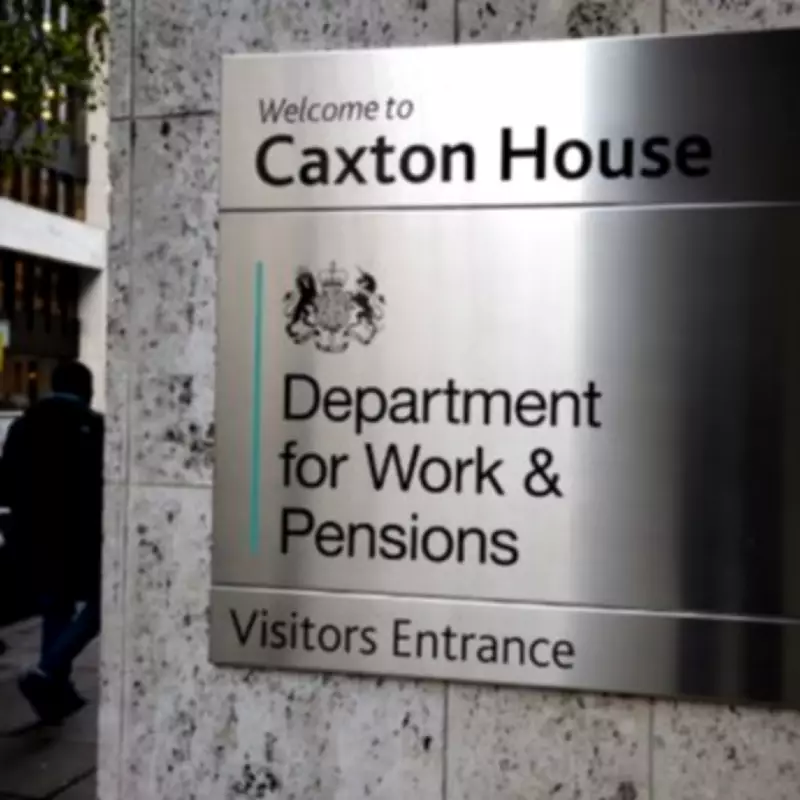
DWP Announces End of Two Legacy Benefits with Key April Deadline
The Department for Work and Pensions (DWP) has confirmed it will abolish two significant benefits starting April 1, 2026, as part of its ongoing managed migration to Universal Credit. The affected benefits are Income Support and Income-based Jobseeker's Allowance, which will no longer be available to new or existing claimants from that date.
Transitional Protection and Prescription Charge Implications
To ease the transition, the DWP will provide a two-week run-on period for some payments, offering limited transitional protection. However, a critical change involves NHS prescription charges. From April 15, 2026, the exemption categories for Income Support (Box H) and Income-based Jobseeker's Allowance (Box K) will become invalid. This means individuals previously relying on these benefits for free prescriptions will need to find alternative eligibility routes.
The DWP states that these adjustments follow the earlier removal of the Tax Credit exemption category in April 2025, marking a continued shift away from legacy systems. Claimants are urged to act promptly, as Universal Credit does not automatically grant free NHS prescriptions. Eligibility for health cost support under Universal Credit depends on the last complete assessment period or qualifying under another valid exemption category.

Managed Migration Process and Support Measures
Managed migration involves closing legacy benefit claims and inviting individuals to apply for Universal Credit. The DWP will issue notice letters detailing the end of benefits and necessary steps. For those whose Universal Credit entitlement is lower than their previous legacy benefits, a 'transitional amount' will be provided to top up payments, ensuring financial stability during the changeover.
Legacy benefits being phased out include:
- Income-based Jobseeker's Allowance
- Income-related Employment and Support Allowance
- Income Support
- Housing Benefit
- Child Tax Credit
- Working Tax Credit
This move aims to streamline the welfare system, but it requires careful attention from claimants to avoid disruptions in benefits and healthcare access. Experts recommend reviewing personal circumstances and seeking guidance if unsure about the transition to Universal Credit.