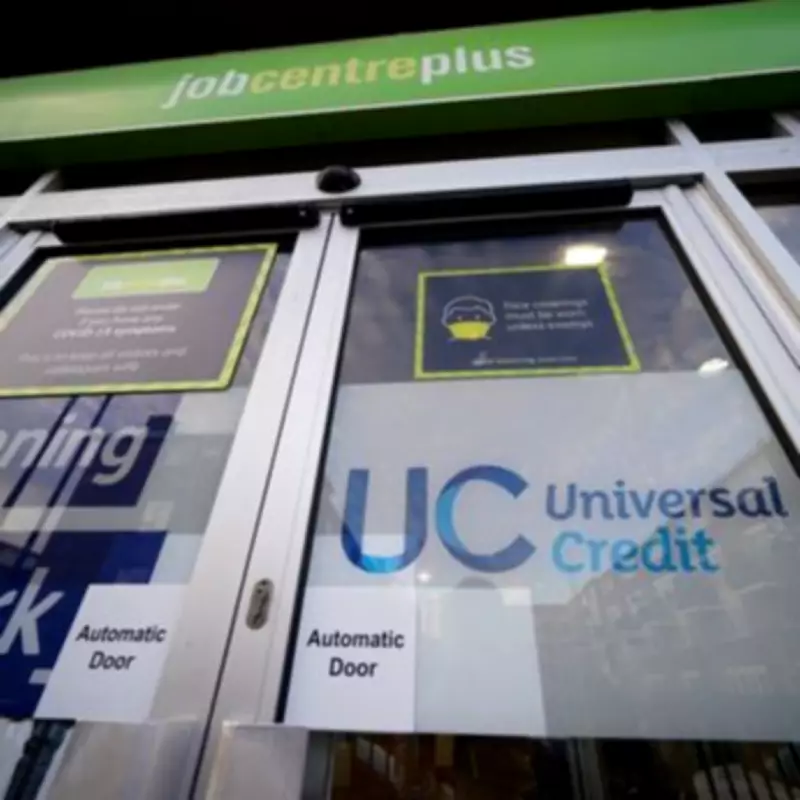
DWP Terminates Benefits for Over 356,000 Claimants Failing to Switch to Universal Credit
Official data released this week has disclosed that the Department for Work and Pensions has stopped benefits for more than 356,000 claimants who did not respond to migration notices instructing them to transition to Universal Credit. The statistics reveal that hundreds of thousands of households missed the strict deadlines, resulting in the immediate termination of their financial support.
Mandatory Transition from Legacy Benefits
The DWP is currently phasing out six old-style, means-tested benefits, known as "legacy benefits," as part of a mandatory shift to the Universal Credit system. These legacy benefits include:
- Working Tax Credit
- Child Tax Credit
- Housing Benefit
- Income-related Employment and Support Allowance (ESA)
- Income Support
- Income-based Jobseeker’s Allowance (JSA)
Tax credits already ended in April 2025, and all remaining recipients of the other benefits are expected to be moved across by the end of March 2026.

Statistics on Claimant Non-Response
Between July 2022 and December 2024, official figures show that 356,521 individuals across 237,796 households had their payments halted for not completing the application process after receiving Migration Notices by post. These notices provide a three-month deadline to submit a new claim for Universal Credit.
In total, 2,352,886 migration letters were sent out between July 2022 and December 2025. Of these, 1,985,703 people successfully moved to Universal Credit, with an additional 10,667 currently in the process of doing so.
Consequences and Support Mechanisms
Failure to act within the three-month timeframe leads to the automatic closure of existing benefit claims, leaving many families without their regular monthly income. The DWP emphasizes that claimants are sent one or more reminders, and the deadline can be extended if individuals request more time to make the changeover.
To assist with the transition, the DWP offers support and provides an extra two weeks of old benefits after a Universal Credit claim is made, helping bridge the financial gap before the first Universal Credit payment.
Reasons for Non-Claim and Charities' Concerns
The Government notes that some claimants may choose not to apply for Universal Credit due to factors such as finding full-time work, having savings above permitted limits, or changes in circumstances. However, charities warn of "administrative hurdles" and other issues.
The Child Poverty Action Group highlighted that some tax credit recipients consciously decided not to claim Universal Credit because the amount they would receive was particularly small, others believed they were ineligible, and some felt there was a stigma attached to Universal Credit that was not present with tax credits.
Additionally, vulnerable claimants may fail to make a claim due to anxiety or confusion about the changeover. The DWP has pointed out that tax credits recipients with capital over £16,000—the threshold where Universal Credit entitlement usually ceases—were still able to claim as their savings are disregarded for the first year.
Final Steps and Recommendations
The final wave of claimants to be moved across are those on income-related ESA, with the process expected to be completed by April and all legacy benefits then closed down permanently. To avoid losing support, the DWP urges anyone receiving a notice to follow the instructions or contact the official helpline for assistance and extensions.