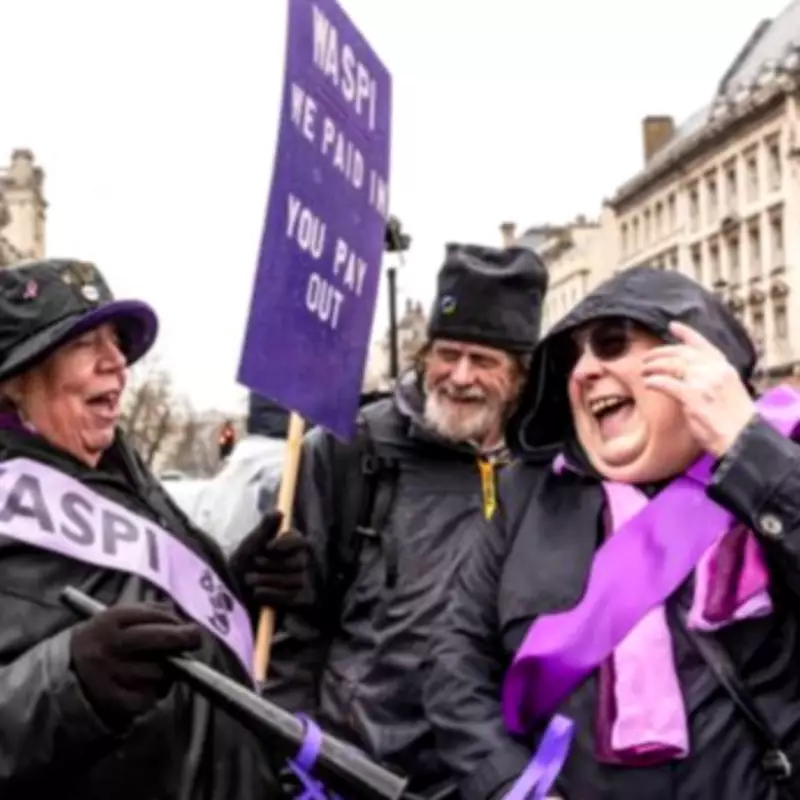
Legal Experts Condemn Government's WASPI Compensation Stance
In a significant development in the ongoing battle for justice, legal experts have launched a scathing critique of the Labour Party government's position regarding compensation for WASPI women. The controversy centers on the government's refusal to implement recommendations that would see approximately 3.6 million women born in the 1950s receive payouts of £2,950 each from the Department for Work and Pensions.
Background of the WASPI Campaign
The Women Against State Pension Inequality campaign was established in 2015 following widespread concerns about how changes to the state pension age were communicated and implemented. Campaigners argue that millions of women suffered financial losses due to inadequate notification about alterations to their retirement timeline. The Parliamentary and Health Service Ombudsman subsequently investigated these claims and found significant failings in the DWP's approach.
Ombudsman's Recommendations Ignored
Despite the Ombudsman's clear recommendation that affected state pensioners should be reimbursed £2,950 to address the DWP's administrative failures, the current Labour government has resisted calls to provide compensation. This stance has drawn particular criticism because the government possesses both the technical capability and necessary information to have properly notified those affected.

Tax accountant Grace Hardy from Hardy Accounting emphasized the procedural shortcomings, stating: "Whenever the state pension age changes for any one individual, proactive written notification should be mandatory well in advance, not dependent on people checking Government websites or seeing general media campaigns."
She further explained: "The DWP knew exactly which cohorts would be affected and had their addresses; there was no technical barrier to writing to them. Changes of this magnitude should have a minimum notice period enshrined in legislation for perhaps 10 years to allow genuine financial planning."
The 2011 Acceleration Problem
The Ombudsman identified the 2011 acceleration of the timetable for women's state pension age changes as particularly problematic. This adjustment gave some affected women as little as 18 months' additional notice about significant alterations to their retirement plans, creating substantial financial hardship for those who had made long-term arrangements based on previous timelines.
WASPI's Response and Legal Options
Angela Madden, chair of the WASPI campaign, revealed that the group is now seeking legal advice and considering all available options. Speaking after the Christmas period, Madden expressed frustration with the government's approach: "We stand ready to pursue every avenue in parliament and in the courts to secure the justice that has been so shamefully denied."
Madden added: "Ministers have demonstrated their utter contempt for 1950s-born women, for parliament and for the parliamentary ombudsman. The government has kicked the can down the road for months, only to arrive at exactly the same conclusion it has always wanted to. This is a disgraceful political choice by a small group of very powerful people who have decided the harm and injustice suffered by millions of ordinary women simply does not matter."
Broader Implications
The ongoing dispute raises important questions about governmental accountability, pension policy transparency, and the rights of citizens to receive adequate notice about changes affecting their financial futures. With legal experts now publicly challenging the government's position, pressure is mounting for a reconsideration of the compensation issue that affects millions of women across the country.