Monarchy's £510 Million Annual Price Tag Ignites Spending Debate
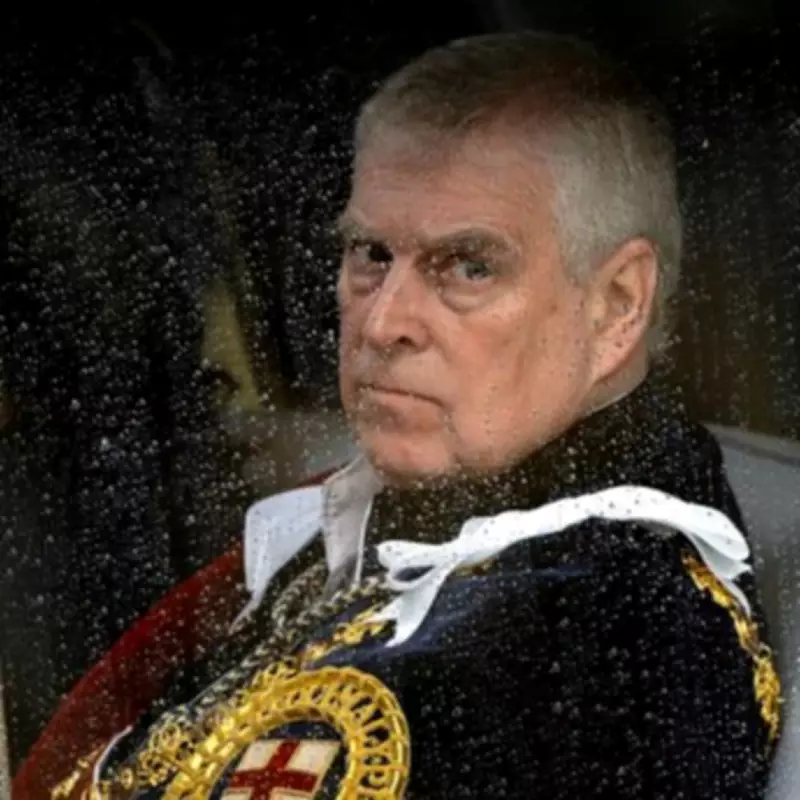
Campaigners from Republic, an organization advocating for the abolition of the monarchy, have highlighted that the Royal Family costs UK taxpayers approximately £510 million each year. This figure encompasses security, transport, grants, and various expenses, supplementing the most recent Sovereign Grant of £86.3 million. The ongoing controversy surrounding Andrew Mountbatten-Windsor and the monarchy's protection of him has intensified discussions about this substantial financial burden.
Questioning the Justification for Royal Expenditure
The primary argument in favor of funding the monarchy revolves around soft diplomacy, where the Royal Family acts as diplomats to foster international connections, potentially benefiting trade, security, and the UK's global image. However, recent scandals involving Andrew have severely undermined this perspective. Regardless of individual opinions on his conduct, the undeniable reality is that maintaining the monarchy imposes an eye-watering cost on taxpayers.
This expenditure serves as a stark reminder of a critical choice the nation seldom addresses: what could be achieved with £510 million annually if allocated to solving urgent, real-world problems affecting millions of Britons? Instead of subsidizing lavish lifestyles, including international travel and massages, these funds could be redirected to ensure people have access to basic necessities like homes and food.

Addressing Child Poverty in Birmingham
One glaring area for potential reallocation is child poverty. In Birmingham, child poverty rates are currently around 50 percent, meaning that in an average city schoolroom, every other child lives in poverty. Politicians across the mainstream acknowledge that these rates are unacceptably high and that benefit reforms are crucial.
For instance, eliminating the "two-child cap" in benefits is estimated to cost about £3 billion annually but could lift nearly half a million children out of poverty. A portion of the £510 million could contribute significantly to such targeted relief efforts, rather than funding ceremonial functions and maintaining tax-exempt palaces.
Tackling the Housing Crisis
Another pressing issue is the housing crisis, which represents a major structural failure in Birmingham and throughout the UK. Analysis from a leading think-tank indicates that the UK faces a shortage of over 6.5 million homes compared to similar European nations, largely due to decades of under-building.
This shortage has profound consequences, with renters increasingly pushed into poverty and councils spending nearly £730 million annually on temporary emergency accommodation. Redirecting a fraction of the monarchy's annual subsidy could not only address immediate gaps but also fund solutions like building social and affordable housing.
Research suggests that investing in social housing could save the government around £1.5 billion each year by reducing homelessness and decreasing reliance on emergency services and welfare payments. This approach is not only compassionate but also highly cost-effective.
The Moral Imperative of Public Spending
The debate extends beyond mere arithmetic to a moral imperative. Every pound spent on palaces, jets, ceremonial uniforms, and tax exemptions for the privileged is a pound not invested in providing safe housing for children, decent rental homes for struggling families, reducing homelessness, or helping individuals escape poverty and build stable lives.
With urgent, measurable needs rooted in security, opportunity, and dignity, how public funds are allocated becomes a moral question. While abolishing the monarchy may not automatically resolve all these issues, the financial and cultural debate forces society to reconsider whether current spending aligns with national priorities. This is a question that demands serious reflection and discussion.