Rachel Reeves Issues Warning to Pensioners with Incomes Over £35,000
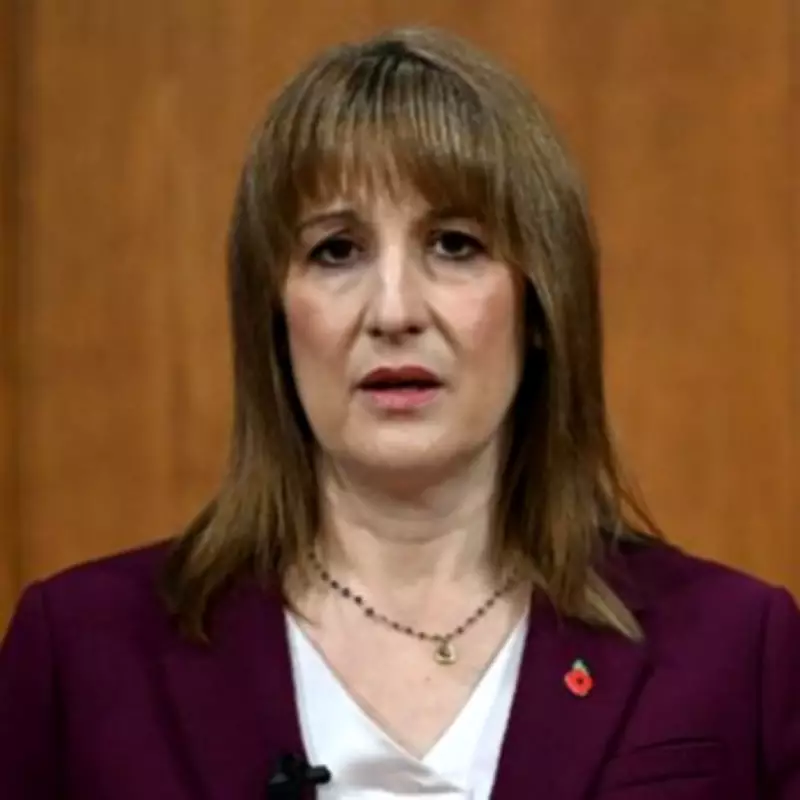
New financial regulations have been established by the Government, specifically targeting state pensioners whose annual incomes surpass £35,000. Chancellor Rachel Reeves has outlined these changes, which are directly connected to the Winter Fuel Payment scheme.
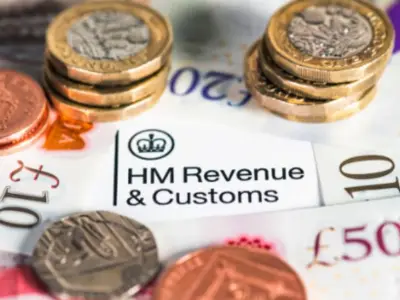
Pensioners should be fully aware of these updated rules. Those with higher incomes are no longer eligible for the winter support payments, but they will still receive the funds initially. Since they do not qualify, HM Revenue and Customs will reclaim the money in instalments throughout the year.
Details of the Payment Deductions
The Government has confirmed that for a typical £200 Winter Fuel Payment, approximately £17 will be deducted from state pension payments each month. Retirees exceeding the £35,000 annual limit must also recognize that they are no longer entitled to receive Winter Fuel Payments, which were previously universal for all pensioners before being scaled back.

The Government provided a clear explanation: "If your total income is over £35,000, you’ll need to pay back the payment. HMRC will automatically collect the payment through your tax code unless you already file self-assessment tax returns."
This process involves altering tax codes for the 2026 to 2027 tax year. For a standard payment of £200, around £17 will be deducted monthly. In the following tax year, 2027 to 2028, the deduction will increase to approximately £33 per month for the same £200 payment, as HMRC collects payments from both 2026 and 2027. It will then revert to about £17 per month for the 2028 to 2029 tax year.
Implications for Self-Assessment Filers
Individuals who file their self-assessment tax returns online annually will have the payment automatically included in their 2025 to 2026 tax return as part of their income. This adjustment ensures that the clawback is integrated into the existing tax framework, minimizing administrative burdens for both pensioners and HMRC.
The changes underscore a shift in policy, moving away from universal benefits to more targeted support. Pensioners with incomes above the threshold are advised to review their financial plans and prepare for the upcoming deductions to avoid unexpected shortfalls in their monthly income.