Prime Minister Convenes Urgent Cobra Meeting Over Iran Conflict Economic Fallout
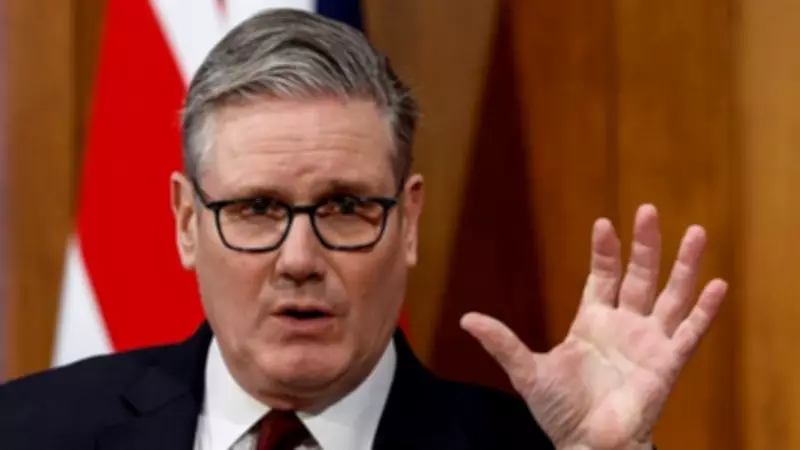
Prime Minister Sir Keir Starmer will hold an urgent Cobra meeting today, March 23, to address the economic repercussions of the escalating conflict with Iran. This high-level gathering comes amid stark warnings that rising prices for consumers may be unavoidable due to the crisis.
Key Ministers and Bank Governor to Attend Critical Discussions
Senior government figures, including Chancellor Rachel Reeves, Foreign Secretary Yvette Cooper, and Energy Secretary Ed Miliband, are expected to participate in the meeting. They will be joined by the Governor of the Bank of England, highlighting the seriousness of the economic concerns.
Discussions will centre on the potential effects on the cost of living, energy security, and the resilience of UK industry and supply chains. The wider international response to the crisis will also be a focal point of the talks.

Government Warns Against Panic Buying as Oil Supplies Disrupted
The Government is actively discouraging panic buying of fuel, as growing concerns emerge over possible disruptions to global energy supplies. Chris O’Shea, chief executive of Centrica, which owns British Gas, has warned that the conflict is already impacting oil supplies.
Speaking on the BBC’s Sunday With Laura Kuenssberg programme, O’Shea stated that global supplies have been significantly reduced. “Cornwall Insight, I think, have predicted that there's going to be an increase in prices. If it stays as it is, then I think that's inescapable. The world uses about 100 million barrels of oil a day. We've lost about 20% of that through the Strait of Hormuz,” he explained.
Ministers Urge Calm and Consider Profit Caps
Housing Minister Steve Reed has urged the public not to engage in panic-buying of fuel, assuring that there is currently no need for restrictions. “There's no need to ration fuel. People should go around and buy their fuel just like they always would. If the situation were to change, then the Government would look at what was required in that circumstance,” he told Sky News’ Sunday Morning with Trevor Phillips.
Lord Richard Walker, the Government’s cost of living tsar, has called for action to prevent companies from profiting from the crisis. He revealed he has “asked the Government to consider a temporary profit cap,” if necessary, to stop producers and retailers “exploiting the crisis to make windfall profits at the expense of consumers.”
International Diplomacy and Political Pressure Intensify
Sir Keir also spoke with US President Donald Trump on Sunday, March 22, about efforts to reopen the Strait of Hormuz, a crucial shipping route for global oil supplies. The 20-minute call was described as constructive. Mr Trump had previously criticised the Prime Minister’s response to the conflict, describing him last week as “no Winston Churchill.”
Meanwhile, the Conservatives have urged the Government to take steps to cut costs for households. Shadow Housing Secretary Sir James Cleverly suggested scrapping so-called “green taxes” and opening more North Sea oil and gas fields.
Regional Tensions Escalate with Broader Security Concerns
Ministers have insisted the UK will not be drawn into a wider Middle East war, but tensions have escalated after Iran launched a missile attack on the joint US-UK base at Diego Garcia, raising concerns about the conflict spreading further.
Israeli Prime Minister Benjamin Netanyahu warned that Iran’s capabilities now extend beyond the Middle East. “I've been warning all the time. They now have the capacity to reach deep into Europe. They already have fired on a European country, Cyprus. They are putting everyone in their sights,” he told reporters.
Earlier on Sunday, March 22, Mr Trump issued a warning to Iran on his Truth Social platform, saying the country had 48 hours to “Fully open, without threat, the Strait of Hormuz,” or the United States would “obliterate” Iran’s power plants. When asked whether he supported the ultimatum, Mr Reed declined to comment directly but said the quickest way to ease pressure on prices would be a rapid end to the conflict.