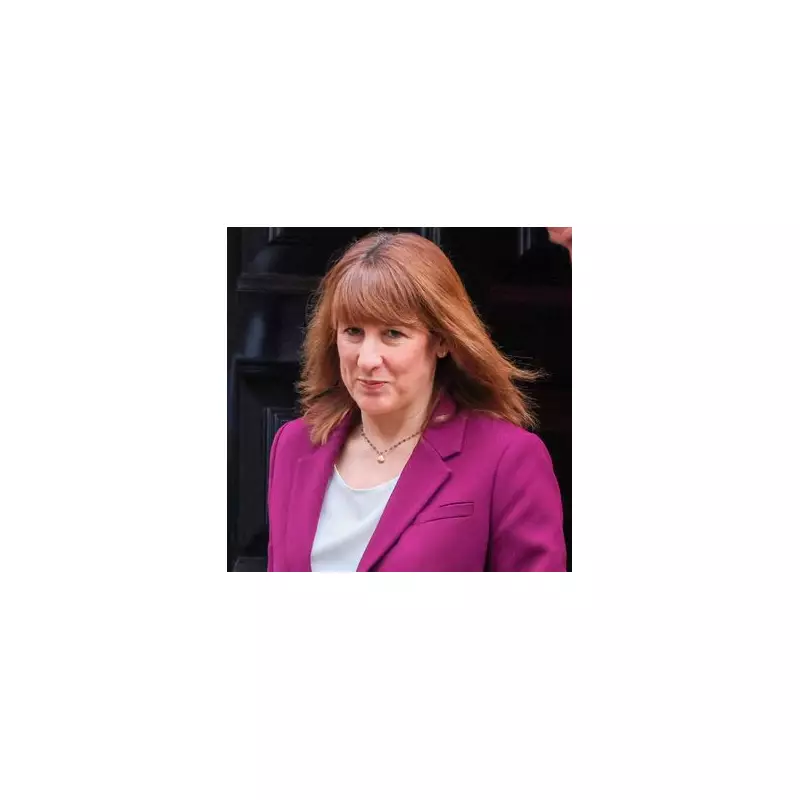
Chancellor Rachel Reeves has officially confirmed a significant financial boost for millions of households across the United Kingdom, with average energy bills set to decrease by approximately £150 annually. This substantial reduction forms a central part of the government's strategy to provide meaningful assistance with the ongoing cost of living pressures facing ordinary families.
Implementation Timeline and Energy Providers
The new, reduced energy rates are scheduled to take effect from April, marking a tangible change in how households will be charged for their gas and electricity consumption. Customers of major energy suppliers, including British Gas, Octopus, and Eon, should begin to notice their bills decreasing from this point forward, providing widespread financial relief as the new fiscal year commences.
Enhanced Support for Vulnerable Households
In addition to the universal £150 reduction, the government has extended the Warm Home Discount scheme to provide further targeted support. This initiative, which traditionally knocks £150 off energy bills for qualifying residents, has been expanded to reach approximately six million of the nation's poorest households.

The eligibility criteria for the Warm Home Discount have been significantly broadened. Previously restricted to specific benefit recipients, the scheme now includes everyone receiving Universal Credit, alongside individuals on certain other state benefits. This expansion ensures that a much larger proportion of vulnerable residents will receive this crucial financial assistance during the winter months.
Government Statements on the Initiative
Prime Minister Keir Starmer addressed the House of Commons last week, emphasising the government's commitment to tackling fuel poverty and reducing living costs. "We're taking £150 off energy bills," Starmer stated, highlighting that for the six million poorest families, this reduction combines with the Warm Home Discount to create total savings of £300.
The Prime Minister further elaborated on the government's broader strategy, describing the Warm Homes Plan as "the biggest ever public investment in upgrading British homes." This comprehensive approach aims to lift one million households out of fuel poverty entirely, addressing both immediate financial pressures and longer-term housing efficiency challenges.
Political Context and Future Implications
Labour representatives have positioned these measures as demonstrative of their commitment to supporting ordinary families through practical policy interventions. The combined effect of the universal energy bill reduction and the expanded Warm Home Discount scheme represents a multi-faceted approach to cost of living support, targeting both general affordability and specific vulnerability.
As households prepare for the April implementation, the announcement signals the government's prioritisation of energy affordability within its broader economic strategy. The changes reflect a deliberate shift in energy charging structures, with implications for household budgeting, fuel poverty reduction, and national energy policy moving forward.