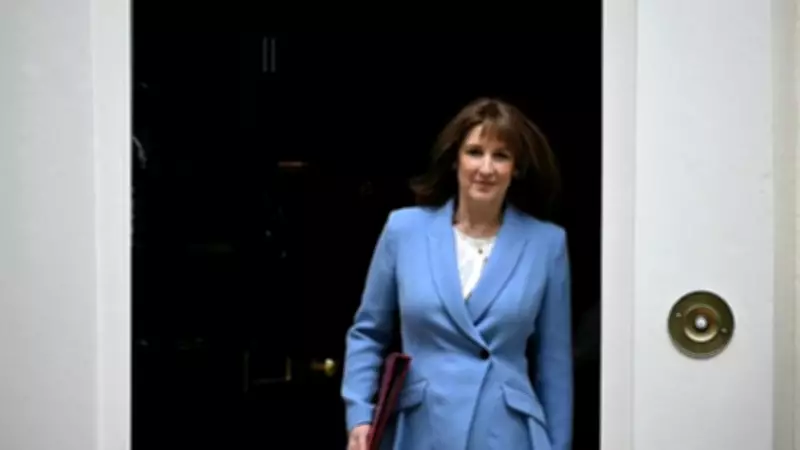
Chancellor Rachel Reeves Presents Spring Statement to Parliament
Chancellor Rachel Reeves has delivered her Spring Statement to Parliament, asserting that Labour possesses the 'right economic plan for the country' and suggesting that individuals could be approximately £1,000 better off annually. Unlike the comprehensive Budget, the Spring Statement serves as a minor update, devoid of significant new tax or policy announcements.
Instead, it offers a snapshot of the United Kingdom's financial status based on forecasts from the Office for Budget Responsibility (OBR), with previously confirmed measures on pensions, taxes, benefits, and savings remaining scheduled for implementation. Addressing the House of Commons, Reeves stated that the updated OBR forecasts indicated her decisions as Chancellor were 'starting to pay off'.
Implications for Households Across the Nation
Here is a detailed breakdown of what the Spring Statement signifies for families throughout the country:

Taxes: No Immediate Alterations, but Higher Bills Approach
No announcements today impacted personal taxes directly. However, measures from the Autumn Budget last year imply many people will encounter increased taxation over time due to a freeze on thresholds until April 2031.
The personal allowance—the income threshold before tax applies—stands at £12,570. Earnings exceeding this amount are taxed at 20% (basic rate), 40% (higher rate), and 45% (additional rate for incomes over £125,140).
Since thresholds are not adjusting with inflation, more individuals will progressively face higher taxes through a phenomenon known as fiscal drag.
Pensions: State Pension Increases, but Future Caps Approach
The Spring Statement left pensions unchanged, but previously announced modifications are still forthcoming:
- The state pension will rise by 4.8% from April, elevating the full new state pension from £230.25 to £241.30 per week.
- From April 2029, a new £2,000 cap on salary sacrifice pension contributions will restrict National Insurance exemptions.
- From April 2027, inherited pensions will be subject to Inheritance Tax and included in the deceased's estate.
Savings: Cash ISA and Tax Adjustments Ahead
No new savings measures were revealed, but previously confirmed changes will influence ISA and interest rates:
- The annual cash ISA limit for individuals under 65 will decrease from £20,000 to £12,000 from April 2027, though the overall ISA limit remains £20,000 by combining cash and stocks and shares ISAs.
- Tax rates on savings interest will also increase. Basic-rate taxpayers' tax-free allowance of £1,000 will reduce, with the 20% tax rate rising to 22%. Higher-rate taxpayers will see their 40% rate climb to 42%, while additional-rate taxpayers will experience a rise from 45% to 47%.
Benefits: Two-Child Cap Eliminated, Universal Credit Rises
No new updates for benefits were announced, but previously confirmed changes include:
- The two-child benefit cap will be abolished from April 2026.
- Universal Credit payments will increase. For instance, the standard allowance for a single person aged 25 and over will grow from £400.14 to £424.90 per month, and for couples from £628.10 to £666.97 per month.
- The Motability scheme will also be reformed to exclude luxury vehicles, impacting eligible recipients who utilize their allowance to lease a car.
Driving: Fuel Duty Relief Continues
No immediate fuel duty changes were declared, but previously confirmed measures persist:
- The 5p per litre fuel duty cut is extended until August 2026, after which rates will gradually revert to March 2022 levels by March 2027.
- Electric and hybrid car drivers will confront mileage-based taxes from April 2028: 3p per mile for battery-electric cars and 1.5p per mile for plug-in hybrids.
- Short-term petrol prices could surge due to recent Middle East tensions.
Smokers and Drinkers: Duties Stable for Now
No new duties were announced, but previously applied changes mean:

- Tobacco duty already increased by RPI inflation plus 2% after the last Budget.
- Alcohol duty rose in line with RPI inflation last month.
First-Time Buyers: Lifetime ISA Rules Unchanged
No new measures were introduced to assist buyers entering the housing market:
- The Lifetime ISA provides a 25% government bonus on savings up to £4,000 annually (maximum £1,000 bonus).
- Funds can only be utilized for first homes under £450,000 or retirement homes; otherwise, a 25% withdrawal penalty applies, which will diminish both the bonus and a portion of savings.
- Homes purchased using a Lifetime ISA must cost under £450,000.
Economic Context and Outlook
Reeves' message of 'stability' emerges amid escalating tensions in Iran and the broader Middle East. The Chancellor also disclosed she is scheduled to meet with North Sea energy company executives on Wednesday, March 4, to discuss the sector's prospects.
Despite her optimistic tone, the UK economy is now projected to expand more slowly than previously anticipated. The Office for Budget Responsibility forecasts 1.1% growth this year, down from an earlier estimate of 1.4%. The OBR additionally indicated that unemployment, currently at 5.2%, is expected to peak later this year before declining to 4.1% by the end of the parliamentary term.
While today's Spring Statement presented no major surprises, it underscores the impact of measures already in place that will continue to shape household finances over the coming years—spanning taxes, pensions, benefits, savings, and the cost of living.