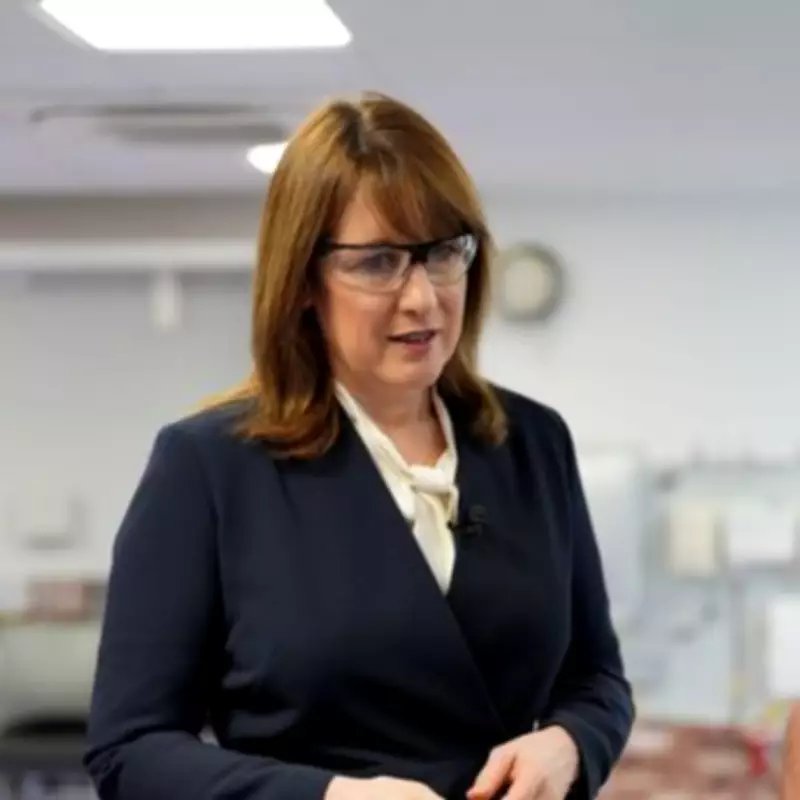
Rachel Reeves Confronts the Changing Status of Pensioners
Chancellor of the Exchequer Rachel Reeves is taking direct aim at pensioners, a group long considered politically untouchable in British governance. For decades, retirees enjoyed robust protections, with reliable state pension increases and expected winter fuel payments, making them a formidable voting bloc that governments hesitated to cross.
The Erosion of Pensioner Protections
While the state pension continues to rise under the triple lock mechanism, providing a veneer of security, the reality for many pensioners is increasingly strained. Frozen income-tax thresholds are quietly pulling more retirees into the tax net for the first time, a phenomenon known as fiscal drag. This subtle policy shift imposes a slow financial squeeze without dramatic announcements, impacting household budgets significantly.
The recent political turmoil over winter fuel payments served as a stark warning to the government. Any attempt to adjust pensioner benefits triggers immediate and emotional backlash, highlighting the sensitivity of this issue. However, the retreat following this controversy underscores the precarious balance policymakers must maintain.

Economic Pressures Driving Change
The Treasury faces mounting pressures that necessitate difficult choices. Britain's ageing population is driving up the state pension bill, while public services require funding and economic growth remains weak. These factors create an unsustainable fiscal equation that can no longer ignore pensioners.
Demographic shifts are quietly altering political calculations. Pensioners as a group are no longer the poorest in society; many own homes outright and are shielded from housing cost shocks that plague younger families. Meanwhile, working-age households grapple with childcare expenses, high housing costs, and job insecurity.
The Gradual Shift in Policy Approach
Governments are beginning to distinguish between pensioners who rely solely on state support and those with additional resources like private pensions, savings, or property wealth. While not explicitly labeled as means-testing, this approach represents a significant departure from universal support for all retirees.
This gradual change in assumptions within government reflects a recognition that pensioners cannot remain permanently insulated while the rest of the country faces economic struggles. The absence of dramatic policy slashes masks a more insidious erosion of predictability that retirement planning depends upon.
Political Risks and Future Implications
The real political risk for Chancellor Reeves lies not in current punishment of pensioners, but in their growing sense of vulnerability. When retirees perceive that rules might continuously shift—through frozen tax thresholds or adjusted benefits—confidence deteriorates.
In British politics, once pensioners feel exposed, governments typically experience electoral consequences. This evolving dynamic suggests that the era of automatic protection for pensioners is waning, replaced by more nuanced and potentially contentious policy approaches that will shape future economic and social landscapes.