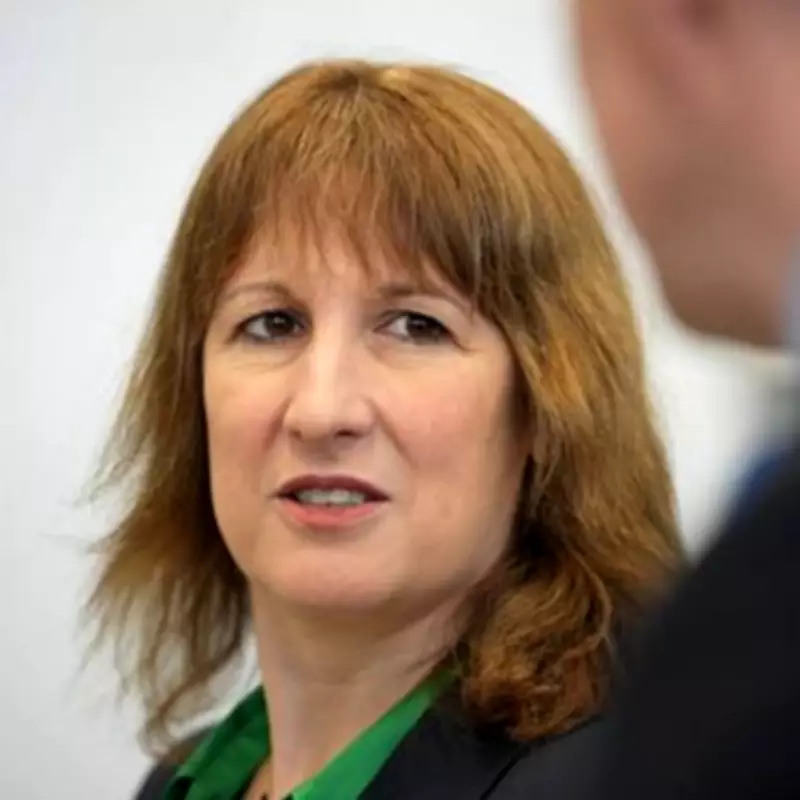
Rachel Reeves' extended income tax threshold freeze is poised to deliver a significant financial blow to middle-income professionals across Britain, with those earning £48,000 annually facing the heaviest burden according to new analysis.
Disproportionate Impact on Key Workers
Research from the Institute for Fiscal Studies reveals that an individual earning £48,000 per year will pay an additional £603.50 in tax by 2031, when the current threshold freeze is scheduled to conclude. This policy particularly affects essential public sector workers including police officers, senior teachers, and nurses who typically fall within this earnings bracket.
Comparative Tax Burden Analysis
In a striking contrast, the IFS calculations demonstrate that higher earners face proportionally smaller increases. Someone with an annual income of £150,000 is expected to pay just £393.59 more over the same period, despite earning more than three times as much as the £48,000 threshold group.

Political Battle Over Tax Policy
The Labour Chancellor has vigorously defended the threshold freeze, insisting that those with the "broadest shoulders" should contribute their "fair share" of taxation. Reeves maintains the policy represents no breach of Labour's manifesto commitments, stating: "Our manifesto was clear; it referred to the rates of income tax, national insurance and VAT. But I have been very clear… that everyone makes a contribution through freezing those thresholds."
Conservative Opposition Response
Conservative Shadow Chancellor Sir Mel Stride has launched a fierce critique of the policy, accusing Reeves of misleading the public about its distributional effects. "Rachel Reeves is trying to pull the wool over Britain's eyes," Stride declared. "She said the wealthiest would contribute the most, but the biggest tax rise in her Budget was a stealth tax which hits middle earners the hardest."
Stride further argued: "This isn't economic necessity, it's a choice, with working people's pay packets being raided to fund Labour's decision to increase the benefits bill. Rachel Reeves wants to pretend she is protecting working people, but in reality, she is punishing them."
Broader Implications for Taxpayers
Experts predict the extended freeze will have far-reaching consequences for Britain's tax landscape. An estimated 5.2 million low-earning Britons will be dragged into the income tax system by the policy's conclusion, while 4.8 million middle earners will find themselves paying the 40p tax rate originally designed for higher-income individuals.
Historical Context and Future Commitments
The policy represents a notable shift from Reeves' previous position. While in Opposition, the Chancellor likened similar threshold freezes to "picking the pockets" of working people. However, in her first budget delivered in 2024, Reeves explicitly ruled out extending the freeze beyond its current scheduled end date, creating a definitive timeline for the policy's impact.
The threshold freeze continues to generate significant political debate as its effects become increasingly apparent through detailed economic analysis, with middle-income households bearing the brunt of its financial consequences according to the latest research findings.