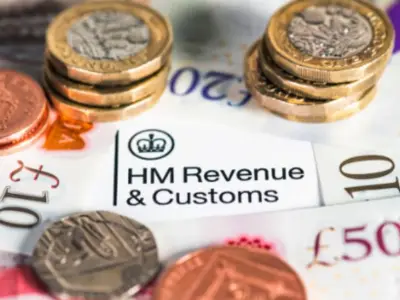
The government has confirmed that the cost of a TV licence will rise by £5.50 to £180, effective from 1 April. This annual fee, which funds BBC programming and services, is set to increase in line with inflation each year until 2027, as per an agreement established in 2022. Currently priced at £174.50, the licence saw a £5 hike last year and a £10.50 increase in 2024.
Four Key Groups Eligible for Free or Reduced TV Licences
Despite the overall price rise, specific households may be entitled to pay nothing or receive significant discounts on their TV licence. The government and TV Licensing have outlined four main categories where concessions apply.
Over-75s Claiming Pension Credit
Individuals aged 75 or older who are in receipt of Pension Credit can obtain a free TV licence. This provision ensures that some of the most vulnerable pensioners are not burdened by the rising cost of accessing BBC content.

Students Living Away from Home
Students residing away from their family home may be covered under their parents' TV licence, but only if they are watching television on portable devices such as smartphones, tablets, or laptops that are not connected to the mains electricity supply. This rule helps support young people in education without requiring an additional licence.
Blind or Severely Sight-Impaired Individuals
Households where someone is registered as blind or severely sight-impaired qualify for a 50% reduction on the TV licence fee. This discount acknowledges the additional challenges faced by those with visual impairments.
Residents in Care Homes or Sheltered Accommodation
People living in residential care homes or sheltered accommodation can apply for a concessionary TV licence, which costs £7.50 per room, flat, or bungalow. This reduced rate makes television access more affordable for those in supported living environments.
BBC and Government Statements on Funding
A BBC spokesperson emphasised that the licence fee provides the financial stability necessary for the broadcaster to deliver high-quality content and support the UK's creative industries. They stated, "It funds the full range of BBC services and helps us deliver trusted news, the best homegrown storytelling, and unmissable content that brings people together."
The spokesperson also noted that the government is currently reviewing the BBC's next Royal Charter and funding arrangements beyond 2027, expressing a desire for reform to ensure the BBC remains independently funded and meets audience needs long-term.
In response, a Department for Culture, Media and Sport (DCMS) spokesman acknowledged the financial pressures on households and reaffirmed the government's commitment to a sustainable and fair funding model. They highlighted ongoing support for payment plans that allow the public to spread the cost through smaller instalments and reiterated the availability of free licences for eligible over-75s and reduced fees for care home residents and blind individuals.