The Department for Work and Pensions has delivered a significant blow to campaigners representing women born in the 1950s, formally rejecting their long-standing bid for compensation over state pension age changes. Work and Pensions Secretary Pat McFadden announced that a comprehensive government review has concluded that financial payouts are not required, despite acknowledging shortcomings in communication.
Government Maintains Position on Pension Age Changes
In a statement to the House of Commons, Mr McFadden confirmed that the current Labour administration has reached the same conclusion as the previous government announced in 2024. The minister acknowledged there are "legitimate and sincerely held views" about whether increasing the state pension age was wise, particularly questioning the 2011 coalition government decision to accelerate equalisation and raise the age to 66.
Apology Offered for Communication Failures
The government has accepted that individual notification letters about state pension age changes could have been sent earlier. "For this, I want to repeat the apology that former work and pensions secretary Liz Kendall gave on behalf of the Government," Mr McFadden stated. "And I am sorry that those letters were not sent sooner."

However, the minister argued that the crucial issue revolves around whether there was maladministration and whether women suffered direct financial loss from the communication delays. "We agree with the Parliamentary and Health Service ombudsman that women did not suffer any direct financial loss from the delay," he emphasised.
Evidence Suggests Letters Wouldn't Have Changed Outcomes
Mr McFadden presented detailed evidence suggesting that earlier communication would have made little difference to most women's awareness. "The evidence, taken as a whole, including from 2007, suggests the majority of 1950s-born women would not have read and recalled the contents of an unsolicited pensions letter, even if it had been sent earlier," he explained.
The minister further noted that those with less pension knowledge - the very women who most needed to engage with such information - were the least likely to read official correspondence. "An earlier letter would have been unlikely to make a difference to what the majority of women knew about their own state pension age," he concluded.
Widespread Public Information Already Available
According to the government's review, extensive public information campaigns ensured most women were already aware of the changes. "The evidence shows that the vast majority of 1950s-born women already knew the state pension age was increasing thanks to a wide range of public information," Mr McFadden stated.
This information was disseminated through multiple channels including:
- Government leaflets and education campaigns
- Information displayed in GP surgeries nationwide
- Television, radio and cinema advertisements
- Comprehensive online resources and guidance
Practical Challenges of Compensation Scheme
The minister highlighted the significant practical difficulties involved in creating a fair compensation system. "To specifically compensate only those women who suffered injustice would require a scheme that could reliably verify the individual circumstances of millions of women," he explained, suggesting such an undertaking would be complex and potentially unworkable.
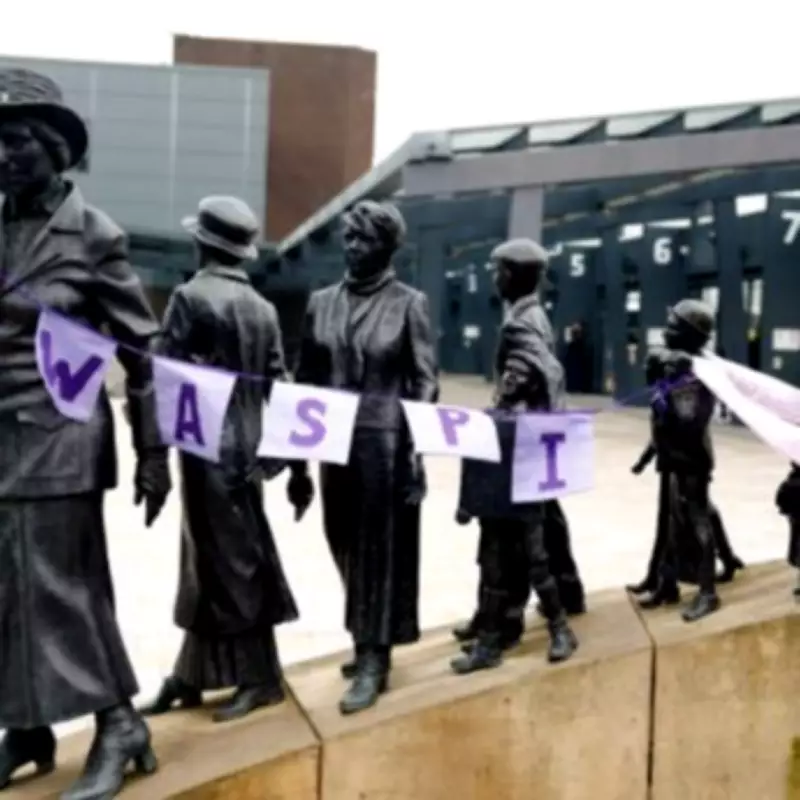
This decision represents a major setback for the Women Against State Pension Inequality campaign, which has fought for years to secure compensation for what they describe as inadequate notice about pension age changes affecting their retirement plans.