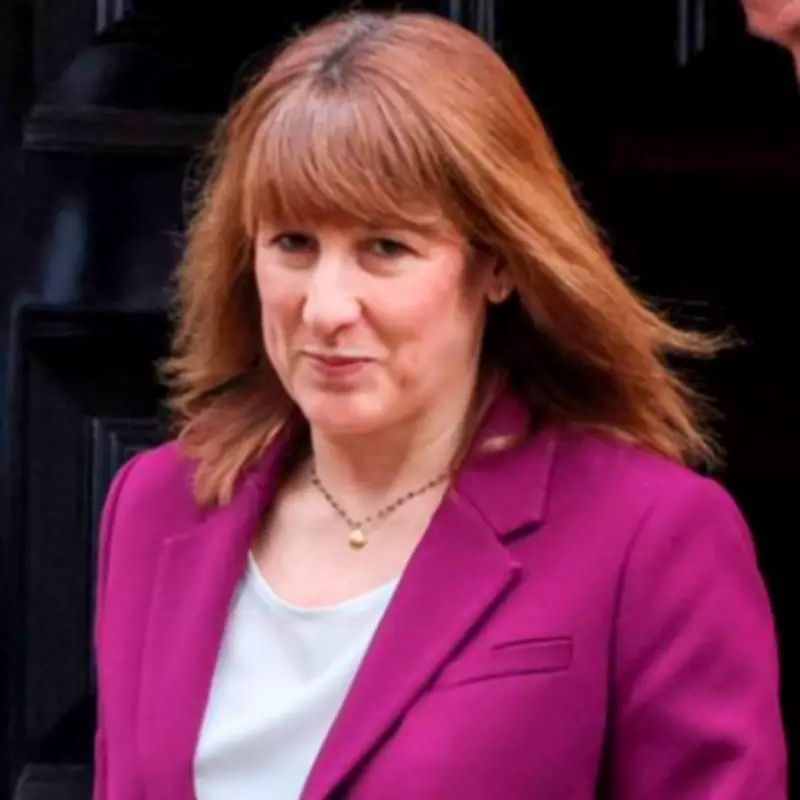
The Government has officially confirmed the eligibility criteria for Winter Fuel Payments in 2026, with Chancellor Rachel Reeves reiterating that pensioners with annual incomes exceeding £35,000 will not qualify for the financial support.
Income Threshold Remains Unchanged
In a recent announcement, the Department for Work and Pensions (DWP) outlined that the same rules applied in previous years will continue for the upcoming winter season. This decision means that retirees whose incomes surpass the £35,000 mark will be excluded from receiving the payments, which are designed to assist with heating costs during the colder months.
How the System Operates
Winter Fuel Payments, valued at either £200 or £300, are distributed annually in November and December to eligible individuals over the age of 65. However, the process involves an initial universal distribution to all pensioners, followed by a reclaim mechanism by HMRC from those who do not meet the income criteria. This approach has been described as confusing by some observers, as it requires repayments from higher-income retirees after the fact.

Chancellor Rachel Reeves emphasised that the Government is maintaining this policy to ensure that the support targets those most in need. Ministers have argued that wealthier pensioners do not require the additional cost of living boost, a stance that led to the withdrawal of the universal allowance under the Labour administration.
Implications for Pensioners
For those who received Winter Fuel Payments in the current winter period, they can anticipate similar support at the end of 2026, provided their financial circumstances have not changed to push their income above the £35,000 threshold. The Government's confirmation aims to provide clarity and allow pensioners to plan their finances accordingly, amidst ongoing economic pressures.
This policy reflects a broader effort to streamline welfare benefits and focus resources on lower-income households, while addressing concerns about fairness and efficiency in public spending.