Winter Fuel Payments to Reach All Pensioners in 2026, with Strict Eligibility Rules Announced
The Government has officially confirmed that Winter Fuel Payments will be distributed to all pensioners later this year, but new eligibility criteria will determine who can retain the funds. Under the updated rules, only retirees with incomes below £35,000 will qualify to keep the allowance, which is valued at either £200 or £300 to assist with heating costs during the winter months.
Controversial System for Payment and Reclaim
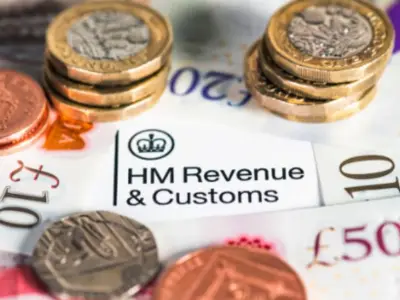
In a move that has sparked debate, the Labour government is maintaining a system where payments are initially made to all pensioners, regardless of eligibility. However, those with incomes exceeding £35,000 will have the money reclaimed by HMRC over the following year. This amount will be deducted directly from pension payments in monthly instalments.
For example, individuals who receive a £200 payment but are deemed ineligible will see their pension reduced by approximately £17 per month. The Government explained this approach as the most straightforward method to distinguish between qualifying and non-qualifying recipients, despite its complexity.

Changes to Universal Allowance
Since winning the last election, Labour has adjusted the qualifying rules for Winter Fuel Payments, ending the universal provision for all pensioners. A Government statement clarified: "If your total income is over £35,000, you’ll need to pay back the payment. HMRC will automatically collect the payment through your tax code unless you already file self-assessment tax returns."
This means that tax codes will be modified for the 2026 to 2027 tax year to facilitate the deductions. The payments are typically issued before Christmas each year, adding a layer of administrative timing to the process.
Impact on Pensioners and Public Reaction
The announcement has left some state pensioners confused, as funds appear in their bank accounts only to be gradually reclaimed later. Critics argue that this system may cause financial uncertainty for retirees, while supporters believe it ensures that only those in genuine need benefit from the allowance.
The Government defends the policy by stating that individuals with incomes above £35,000 are considered financially comfortable enough to manage without the extra support. This shift reflects broader efforts to target welfare spending more effectively amid economic pressures.