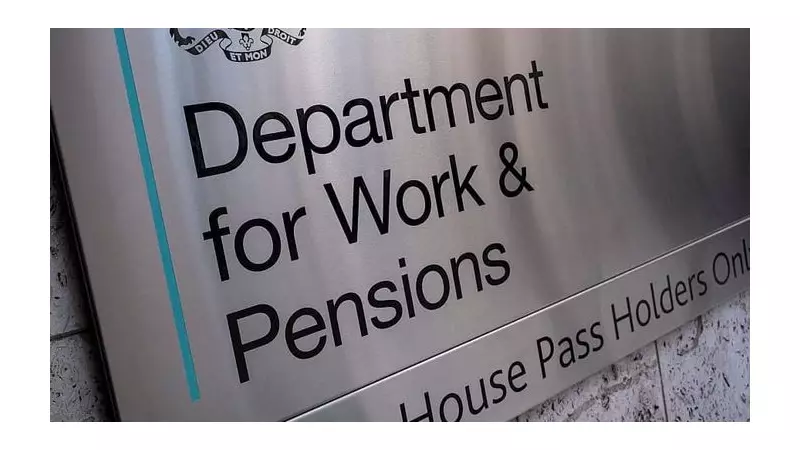
In a major crackdown on welfare fraud, the Department for Work and Pensions (DWP) has been granted sweeping new powers to reclaim money directly from the bank accounts of individuals it identifies as benefit cheats. The Public Authorities (Fraud, Error, and Recovery) Act formally received Royal Assent in the House of Lords on Tuesday, ushering in a tougher enforcement regime.
Direct Recovery and Bank Account Checks
The legislation provides the DWP with two significant new tools. Firstly, officials can now recover money owed to the taxpayer by taking it directly from a person's bank or building society account. This power is aimed squarely at 'benefit cheats, fraudsters and debtors who can afford to repay but refuse'.
Before this law, the department's options were largely limited to deducting money from ongoing benefit payments or adjusting wages via the PAYE system, a process often described as slow and cumbersome.

Secondly, the DWP will be able to conduct large-scale data checks with banks to verify the eligibility of people claiming benefits. This will involve obtaining account information to confirm claimants still meet the conditions for payment.
Strict Safeguards and Severe Sanctions
The government has outlined several safeguards for the new direct recovery power. Account holders will be given advance notice before any money is withdrawn. Furthermore, investigators must first review a minimum of three months' worth of bank statements to ensure the individual has sufficient funds, leaving them with enough to cover essential living costs.
For those who persistently refuse to cooperate, the consequences escalate. If a debt of £1,000 or more remains unpaid after repeated attempts at recovery, the DWP can apply to have the person's driving licence suspended. This is intended as a measure of last resort.
Independent Oversight and Expanded Investigations
To ensure the powers are used proportionately, an independent regulator will be appointed to oversee their application. This body will scrutinise both enforcement actions and the gathering of financial data.
Separately, the Act broadens the DWP's investigative reach in suspected fraud cases. Officials can now request information from any relevant third party, rather than being restricted to a pre-approved list, making it harder for complex fraud to remain hidden.
Minister for Transformation, Andrew Western, stated: "It is right that as fraud against the public sector evolves, the Government has a robust and resolute response. These powers will allow us to better identify, prevent and deter fraud and error, and enable the better recovery of debt owed to the taxpayer."
Initial bank data checks will focus on claims for Universal Credit, Pension Credit, and Employment and Support Allowance, with the potential to include other benefits later.