Government Moves to Shut Down Controversial Benefits Loophole
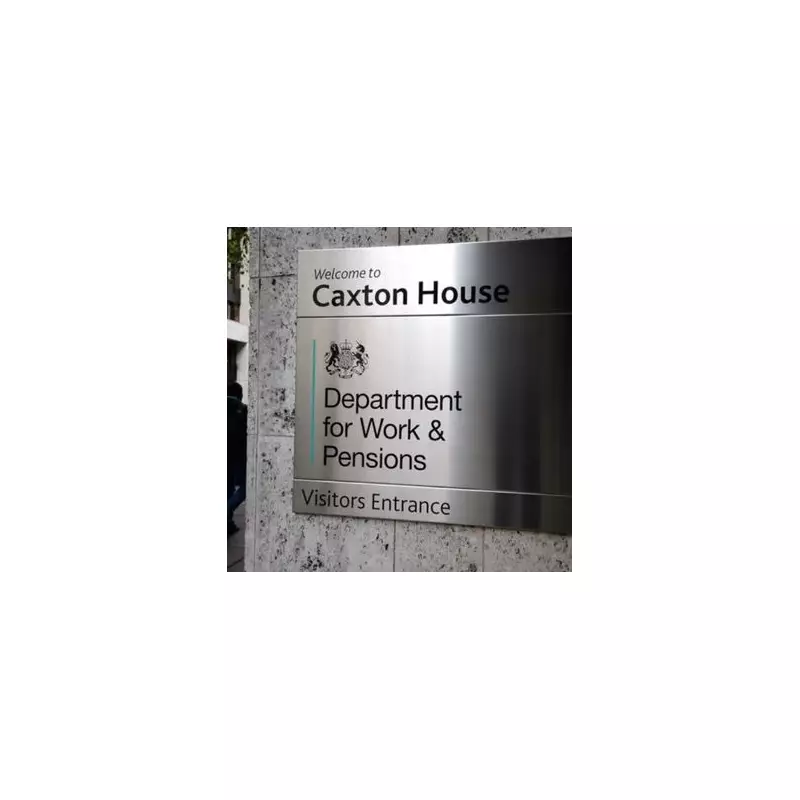
The Department for Work and Pensions is urgently examining plans to close a legal loophole that enables criminals, including killers and rapists, to claim state benefits while detained in secure psychiatric units.
Case That Sparked Outrage
This policy review follows the shocking case of Gogoa Lois Tape, 28, who was able to claim Universal Credit payments while confined to a psychiatric unit after admitting the manslaughter of Kennedi Westcarr-Sabaroche, 25. Tape strangled his girlfriend and was subsequently sent to a secure psychiatric facility where he's classified as a patient rather than a prisoner.
Because of this classification, offenders like Tape can receive up to £400 per month in Universal Credit despite their bed and board being fully covered by the state. Official figures reveal approximately 2,745 offenders held under the Mental Health Act could potentially exploit this DWP benefits loophole.

Substantial Financial Implications
The financial impact of this loophole is significant. An offender claiming the maximum £400 monthly benefit could accumulate £96,000 over 20 years before their release. This has drawn sharp criticism from campaigners and victims' families who argue that public money shouldn't support convicted criminals in this manner.
The case has drawn emotional responses on social media, with one friend of murder victim Kennedi Westcarr-Sabaroche posting: "First person I've ever lost THIS close to me and it's not even like she had an illness or anything. Murder you know. Murder? No words."
Political Action and Next Steps
On Monday, Ms Westcarr-Sabaroche's mother and uncle are scheduled to meet with Work and Pensions Secretary Pat McFadden, who has committed to addressing this issue. A spokesman for the Labour MP confirmed: "The Secretary of State has asked officials to urgently look at how we can stop benefit entitlement for offenders who are detained in psychiatric hospitals."
This proposed policy change represents one of the first significant welfare reforms under the new Labour government and could affect hundreds of offenders currently eligible to claim benefits under the existing system.