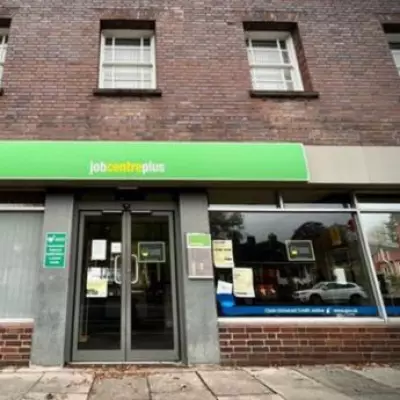
The Department for Work and Pensions (DWP) is set to gain sweeping new powers to seize up to three months of bank statements from benefit claimants as part of a major anti-fraud clampdown.
New powers for direct account intervention
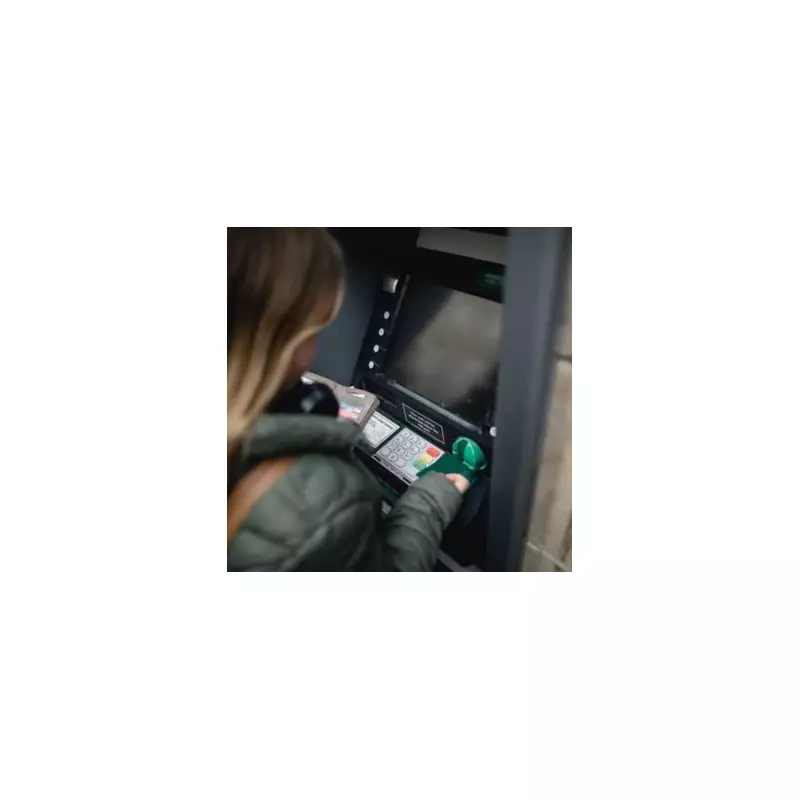
Under a new anti-fraud bill introduced by the Labour Party government, DWP staff will be authorised to directly deduct funds from bank accounts where individuals owe money and are refusing to pay. This represents a significant escalation in the department's ability to recover funds.
Before any direct deduction can occur, officials must first request and examine at least three months of bank statements from the account in question. This requirement aims to ensure that claimants have sufficient available funds before any money is taken.

Charity response and safeguarding concerns
Rebecca Lamb, external relations manager at debt advice charity Money Wellness, commented on the developments. "We await the full implementation of the bill to better understand the full impact," she stated.
"As with any new bill or policy, there's an element of risk," Ms Lamb acknowledged, while expressing confidence that "the Government understands those risks and will be cautious as it rolls out the policy."
The charity emphasised that all cases should be reviewed and assessed individually before any sanctions or further actions are taken, which should provide some reassurance to concerned claimants.
Calls for proportionality and vulnerability protection
Money Wellness has stressed that any efforts to recover funds must be reasonable and proportionate, ensuring people retain enough money to cover everyday living costs. The organisation argues that the primary focus should be on tackling organised criminal networks that systematically defraud the benefits system.
Important recommendations have been made to the government, including that benefit payments should not be suspended until wrongdoing has been properly established. Additionally, there are calls for the creation of baseline vulnerability criteria and tailored support offers for those identified as needing extra help or protection during the recovery process.