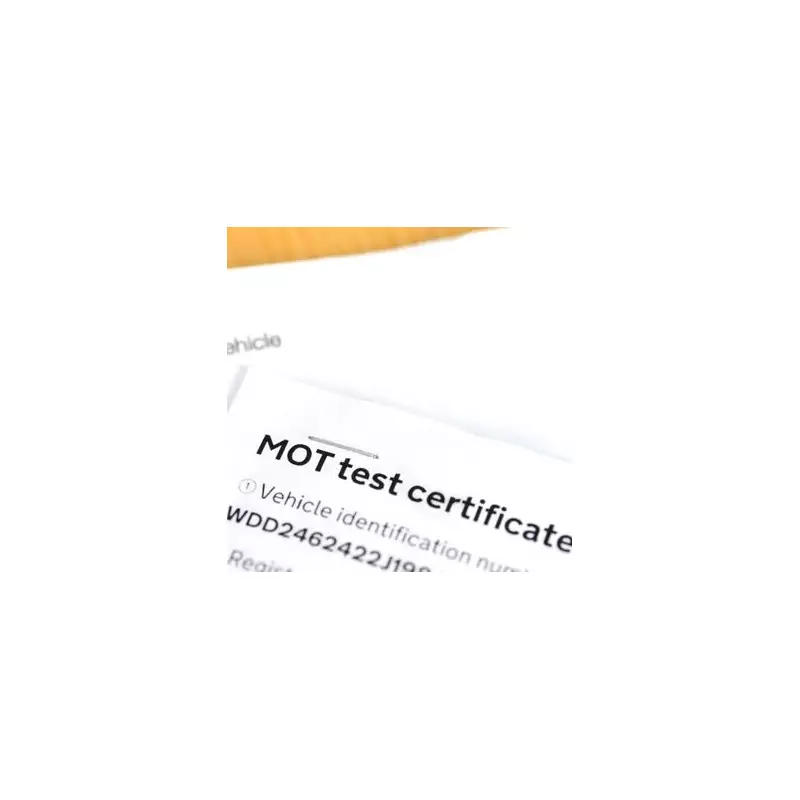
The Driver and Vehicle Standards Agency (DVSA) has confirmed a significant tightening of MOT regulations, with new rules set to take effect from Friday, 9 January 2026. The changes will impose stricter bans on MOT testers and authorised examiner principals (AEPs) who face disciplinary action.
What Are the New MOT Tester Rules?
Under the incoming regulations, any MOT tester who receives a 2-year or 5-year disciplinary cessation will be prohibited from holding any MOT-related roles for the entire duration of that ban. This represents a clear strengthening of the existing framework.
The same rule applies to Authorised Examiner Principals (AEPs). If the AEP of a single-site testing centre is issued a cessation, or if all sites under a multi-site AEP receive such a penalty, they will be barred from all MOT roles. The Labour Party government confirmed this policy shift, which aims to enhance standards across the testing network.

Implementation and Updated Guidance
The DVSA stated that the official MOT testing guide will be updated on 9 January 2026 to reflect these new stipulations. In a special notice, the agency explained: "This special notice tells you about how testers and authorised examiner principals (AEP) will not be able to hold any MOT roles following a 2 or 5 year cessation from 9 January 2026."
This move is part of a broader strategy to combat fraud and improve compliance within the MOT system. Currently, all vehicles in the UK over three years old must undergo an annual MOT test at an approved centre to verify road safety and check for harmful emissions.
Broader Context: The Fight Against MOT Fraud
The rule change aligns with the DVSA's ongoing efforts to tackle MOT fraud, a key focus since its future strategy was outlined in 2023. One notable initiative is a planned trial in 2025 that will require testers to take a photograph of the vehicle being tested.
This image will be submitted via the Gov.uk website and added to the vehicle's digital record. The measure is designed to reduce the risk of so-called 'ghost MOTs'—fraudulent tests on vehicles that are not physically present—and to help identify genuine human errors during the testing process.
For millions of UK drivers who rely on the MOT system to ensure their vehicles are safe and legal, these regulatory changes signal a decisive move towards greater accountability and integrity in the vehicle testing industry.