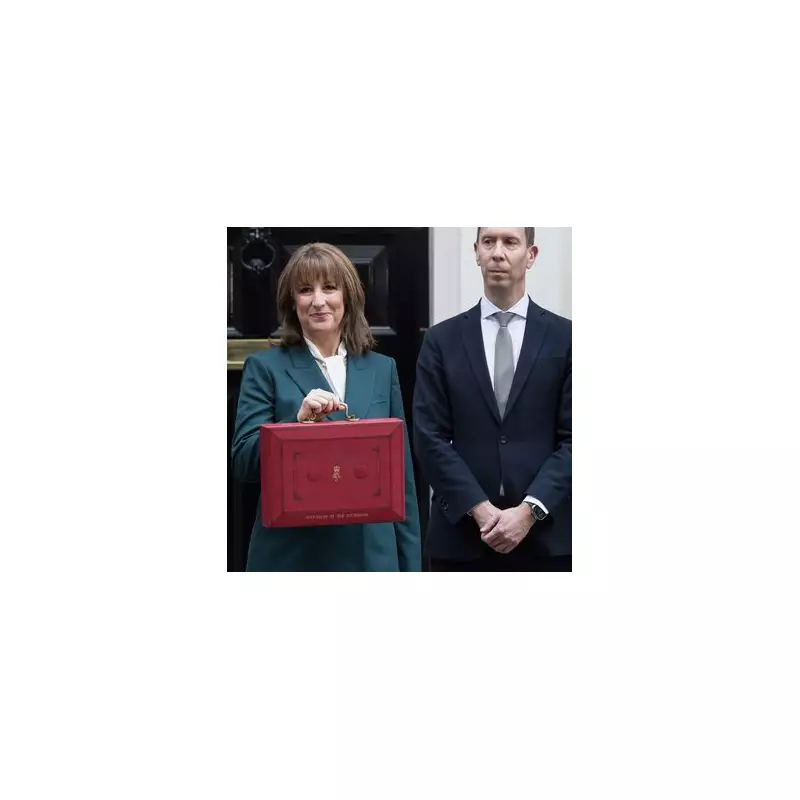
In a significant move for millions of graduates, Chancellor Rachel Reeves has announced a three-year freeze on student loan repayment thresholds and interest rates. The policy, unveiled as a central part of the Labour government's Autumn Budget, is set to commence in the 2027-28 tax year.
Key Details of the Student Loan Freeze
The freeze specifically applies to Plan 2 student loans, which are held by English and Welsh students who started university after 2012. For three years, the income level at which graduates start repaying their loans will not increase. Simultaneously, the interest rate on these loans will be held at 7.9%, preventing it from falling in line with general interest rates and inflation.
This decision is a notable fiscal measure for the Treasury, projected to raise an additional £400 million per year. Chancellor Reeves presented this as part of a broader budget strategy aimed at stabilising public finances.

Broader Budget Measures and Their Impact
The student loan announcement was not the only major fiscal policy revealed. The Chancellor also confirmed an extension of the freeze on income tax thresholds for a further three years beyond 2028.
This extended freeze acts as a stealth tax expected to raise £8.3 billion annually. As tax bands do not rise with inflation, individuals receiving pay rises are more likely to be pushed into higher tax brackets, increasing their overall tax burden.
Another headline-grabbing change was to the Cash ISA allowance. The tax-free allowance for Cash ISAs has been slashed from £20,000 to £12,000 per tax year. However, this reduction will not apply to individuals over the age of 65, who will retain the higher £20,000 limit. The allowance for Stocks and Shares ISAs remains unchanged at £20,000.
Expert Reaction and Policy Rationale
Financial commentator Martin Lewis responded to the ISA changes on social media platform X. He noted that the policy's stated aim was not primarily to raise revenue but to encourage younger people to invest rather than save.
He expressed relief that the government had listened to concerns about a blanket cut, resulting in the carve-out for over-65s. Lewis added that for such a policy to be effective, it must be accompanied by better investment education and easier access to guidance for young people.
Together, these budget measures signal the government's intent to use fiscal levers to manage the economy, with direct consequences for graduate finances, savers, and taxpayers across the UK.