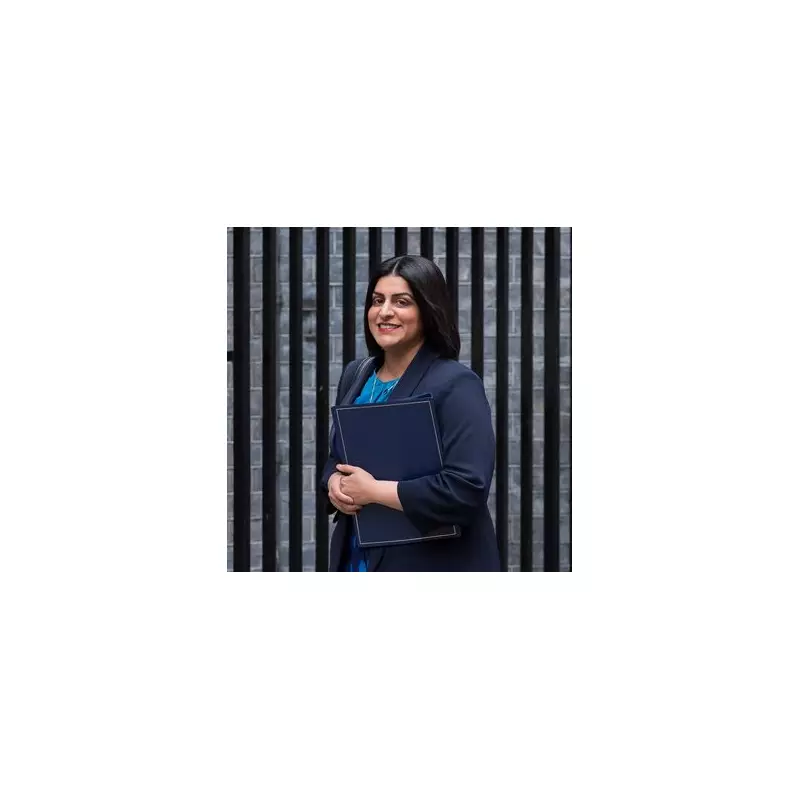
The UK government has successfully pressured two countries into accepting the return of their citizens deported from Britain, following a direct threat to suspend visa services. The move comes after Home Secretary Shabana Mahmood warned that nations refusing to cooperate on removal agreements would face consequences.
Diplomatic Pressure Yields Results
In a significant development for the UK's immigration enforcement strategy, Angola and Namibia have agreed to take back migrants following the Home Secretary's intervention. Last month, the Home Office identified three African nations – Angola, Namibia, and the Democratic Republic of Congo (DRC) – as having "unacceptably poor and obstructive returns processes."
Shabana Mahmood explicitly stated that visas would cease to be issued to foreign nationals from specific countries if their governments failed to "play ball" regarding deportation agreements. The department confirmed last night that this threat had prompted Angola and Namibia to change their stance and cooperate.

Sanctions Imposed on Non-Compliant Nation
However, the Democratic Republic of Congo has not yet fallen into line. In response, the UK has taken punitive measures, including revoking fast-track visa processing and halting preferential treatment for diplomats and VIPs from the DRC. The Mirror reports that these sanctions were imposed after the country failed to make the required changes to its returns process.
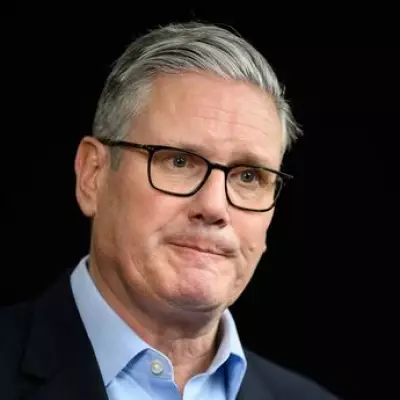
"We expect countries to play by the rules," stated Ms Mahmood. "If one of their citizens has no right to be here, they must take them back. I thank Angola and Namibia and welcome their co-operation. Now is the time for the Democratic Republic of Congo to do the right thing."
Scale of Visas and Irregular Migration
The Home Office provided context on the scale of legal migration from the affected countries. In the year to June, out of over 800,000 visas granted for various reasons:
- 299 were for nationals from the Democratic Republic of Congo.
- 273 were for those from Angola.
- 140 were for individuals from Namibia.
Regarding illegal migration, the data for arrivals via 'irregular' routes in the same period showed 11 people from the DRC, three from Angola, and none from Namibia.
A Broader Push on Removals
Foreign Secretary Yvette Cooper emphasised the government's wider determination to increase removals. "Since coming into government, we have removed more than 50,000 people with no right to be here," she said, noting this was an increase of almost a quarter on the period before the election.
"I have instructed our diplomatic network around the world to make returns a top priority, and today's announcement shows that when countries work with us, we can achieve more rapid results," Cooper added.
Home Secretary Mahmood framed this action as just the beginning, declaring: "This is just the start of the measures I am taking to secure our border and ramp up the removal of those with no right to be here." The government's message is clear: cooperation on returns is non-negotiable for maintaining standard visa access to the UK.