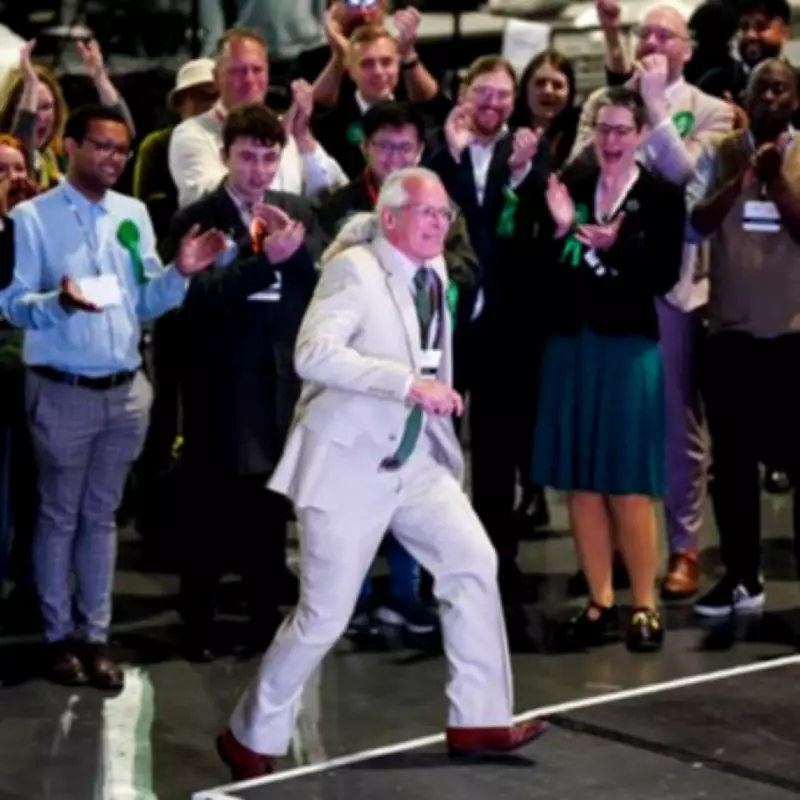
The Green Party in Birmingham has celebrated a dramatic surge in its representation, rising from just two councillors at the start of the week to 19 by the close of the election count on Friday, May 9. Joyous scenes erupted among Green candidates as results confirmed they were among the biggest winners in the city.
Labour Collapse in the Second City
A dramatic day of results confirmed a Labour collapse in Birmingham, with the party losing control of the council. Voters firmly rejected the two-party system, embracing a diverse array of alternative parties and independent candidates. The fracturing of Birmingham’s politics means no single party has overall control, leading to discussions about forming a stable administration in the coming days.
This chaotic outcome follows a turbulent period for Birmingham, marked by a bin strike and a financial crisis that led to unprecedented cuts to local services. Labour struggled to overcome widespread frustration among residents, and rival parties capitalised on the discontent.

Greens Offer Hope and Community Champions
“People are desperate for change,” said Green councillor Julien Pritchard, representing Druids Heath. “People want hope that things can get better, things can be different. We’re offering hope, we’re offering strong community champions.”
On the future of the council, Pritchard added: “We’ll always work for the best interests of residents across the city and do the best we can for Birmingham’s communities and residents. We are going to put residents first and try to push hard to save our services – and that’s what we’ll be looking to do whatever role we end up playing in the new council.”
Key Gains Across Birmingham
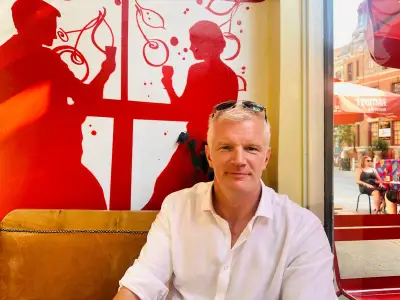
The Greens gained seats in several wards, including Handsworth, Ladywood, Bordesley & Highgate, Bournbrook & Selly Park, and Brandwood & Kings Heath. In Stirchley, Green candidate Kamel Hawwash defeated Labour’s Mary Locke.
“Although there was a councillor who people valued, they look at the Labour Party performance as a council – not as an individual,” Hawwash said at the election count. On the prospect of working with newly elected Reform councillors, he commented: “I’ve been speaking to some of them, obviously we have our major differences. I don’t know what their stance is going to be about working with other people but I think there will be others we can work with before we have to worry about Reform.”
Visibility and Local Issues Drive Support
Rob Grant, the Green councillor who retained his seat in Kings Norton South, attributed the party’s success to visibility and local engagement. “We’re very visible. We spend a lot of time getting to know the areas, dealing with the issues,” he said.
Grant emphasised the need to resolve the bin strike and address other local concerns. “The bin strike has to be resolved as soon as possible. We need to get our recycling back, get our potholes sorted, fly-tipping cleared. Everybody wants to live in a nice place and at the moment, it isn’t.”
New Political Makeup of Birmingham Council
With 51 seats needed for a majority, the new council composition is as follows (excluding two seats in Glebe Farm & Tile Cross, to be declared on Monday):
- Reform UK – 22
- Green Party – 19
- Labour – 17
- Conservative – 16
- Independents – 13
- Liberal Democrats – 12
Labour council leader John Cotton conceded he was likely to lose his seat in Glebe Farm & Tile Cross, with results expected on Monday. The Greens’ historic gains signal a seismic shift in Birmingham’s political landscape, as voters demand change and a new approach to local governance.