Millions of people are preparing to vote as a significant set of elections arrives later this week. Voters across Scotland, Wales, and various parts of England will participate in the largest democratic event since the 2024 general election, which swept Sir Keir Starmer's Labour Party to victory.
Thursday marks a pivotal moment for representation at the local and national levels, as people wrestle with soaring prices and discontent with local government. A recent YouGov poll found that 37% of respondents ahead of the elections cited the condition of local roads as the leading concern. Other top issues included the economy and cost of living, struggles with NHS services, and the state of local high streets and town centres. A wide variety of seats are being contested, from national parliaments to local council chambers. Here, Ian Jones breaks down which elections are taking place and when results are expected.
What elections are taking place?
Doors will open on May 7 for the Scottish Parliament and the Senedd in Wales, alongside contests for 136 councils and six mayors in England. The 136 local authorities holding elections in England comprise all 32 London boroughs; 48 district councils; 18 unitary authorities, including Hull, Milton Keynes, Portsmouth and Southampton; 32 metropolitan boroughs, including Birmingham, Leeds, Manchester and Newcastle; and six county councils: East Sussex, Essex, Hampshire, Norfolk, Suffolk and West Sussex. In total, more than 5,000 seats are contested across the 136 authorities.

Residents in Scotland will elect representatives to the 129-seat Parliament in Edinburgh, which manages vital services such as health, education, and transport. In Wales, the Senedd in Cardiff is growing in size, moving from 60 seats to a total of 96. While its remit differs slightly from that of the Scottish Parliament, it still oversees essential areas such as education and the environment. English voters will also decide on six local mayors in areas including Croydon, Hackney, and Newham. Across England, more than 5,000 council seats are being contested in metropolitan boroughs, unitary authorities, and county councils.
How many candidates are standing?
The Labour Party is fielding the most candidates in the English local contests, with nearly 4,900 people seeking election. Reform follows closely with about 4,800, while the Conservatives have put forward just over 4,700 names. The Green Party has almost 4,500 candidates, while the Liberal Democrats are standing just under 4,000. More than 2,000 additional people are representing smaller parties or standing as independent community voices.
In Scotland, the major parties are contesting every constituency seat, though the Greens are focusing on a select few. The regional lists will see all the main political groups competing for the seven members returned in each area. Wales is debuting a fresh voting method involving 16 'super-constituencies' that return six members each. All the primary parties have confirmed they are standing candidates across these new proportional areas.
How many seats is each party defending?
Labour is currently holding more than half of the council seats up for election in England. This is a contrast to the previous year, when the Conservatives were protecting the most seats during the county council cycles. The Liberal Democrats are looking to keep roughly 700 seats, while the Greens are defending nearly 200. Reform is protecting 80 seats, often following successes in recent smaller local contests.
Because of boundary changes in Scotland, many seats have been adjusted or entirely newly created for this year. At the previous 2021 vote, the SNP fell just one seat short of a full majority with 64. In Wales, the expansion to 96 seats makes it difficult to compare this year's outcome with previous results. Back in 2021, Labour secured 30 seats, leaving them one away from a majority in the smaller chamber.
When do polling stations open?
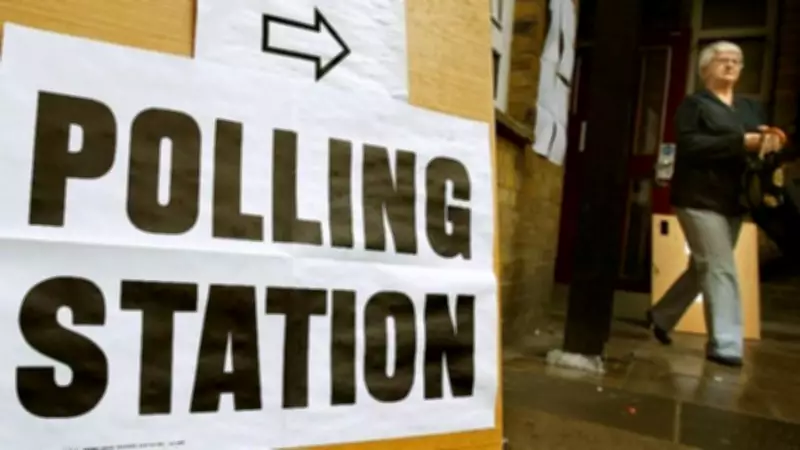
You can cast your vote between 7am and 10pm. People in England must remember to bring a valid form of photo identification to the station. Accepted ID includes documents like a driving licence, passport, or an older person's bus pass. However, photo identification is not required for voting in Scotland or Wales.

When will results be declared?
Counting for the Scottish and Welsh contests will take place throughout Friday, May 8. Most results should be finalised by that evening, with the first updates arriving after lunch. In England, 46 council areas will count through the night to provide results by early Friday morning. The remaining authorities will begin their tallies at 9am, with announcements following later that day. All six mayoral winners should be confirmed by Friday afternoon as the counts conclude. The final few councils, including Croydon and Tower Hamlets, will finish their process on Saturday, May 9.