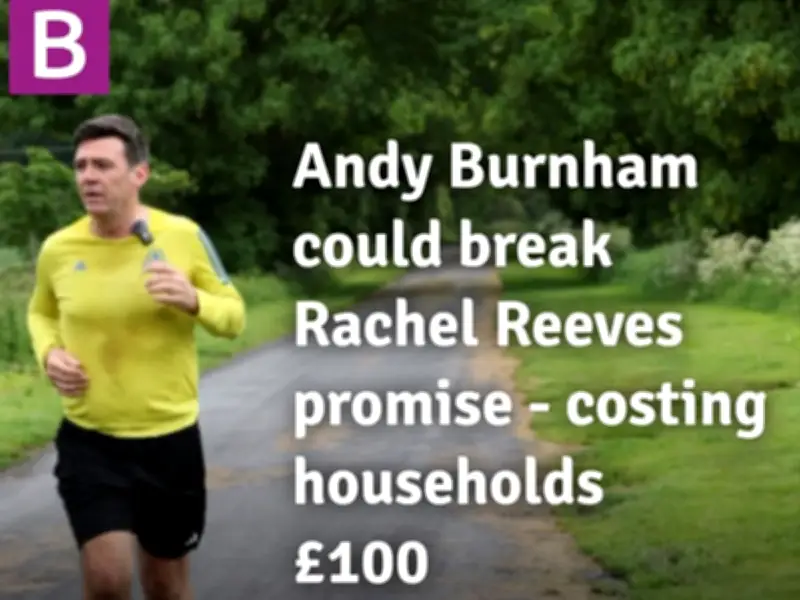
Andy Burnham could break Chancellor Rachel Reeves' promise to keep fuel duty frozen until the end of this year, potentially costing households up to £100 annually. Fuel duty has been frozen for over a decade, and Reeves pledged to maintain the freeze through 2025. However, tax experts warn that unfreezing the duty and uprating it with inflation could add £60 to £100 per year in petrol and diesel costs for the average household.
Potential Impact on Households
Nimesh Shah, of Blick Rothenburg, stated that unfreezing the tax and adjusting it for inflation would raise between £6-7 million for the Labour Party government when Burnham becomes Prime Minister. This move would directly affect drivers, increasing their annual fuel expenses significantly.
Background on Fuel Duty Freeze
Chancellor Rachel Reeves announced at the last budget that she would freeze fuel duty for nine months but end the temporary 5p cut introduced by former Conservative Prime Minister Rishi Sunak in 2022 following Russia's invasion of Ukraine. The cut is set to expire in September 2025. Reeves has faced pressure to extend the 5p cut, which costs the government an estimated £2.4 billion annually.

Political Reactions
Richard Walker, executive chair of Iceland supermarket chain and the government's cost of living champion, said on BBC Radio 4's Today programme: "The 5p fuel duty cut that you allude to is an interesting one. That’s going to expire in September. I think, given where we are, we do need to be thinking and talking about extending it or enlarging it." Reeves responded: "The war in Iran is pushing up fuel prices here at home, but after strong growth at the beginning of the year, I am stepping in to protect people at the pump."
Savings and Future Uncertainty
According to the Home Office, by the end of this year the freeze on fuel duty will have saved the average driver approximately £120 in total since 2025. However, the cut remains temporary. Prime Minister Keir Starmer said: "I know many are feeling the pressure of energy and fuel costs, and are worried about how the conflict in Iran will affect their finances. Because when global events drive up prices, it’s working people who feel it first. That’s why this government is stepping in to keep fuel costs down for millions of drivers and putting money back in the pockets of working people."