Birmingham City Council has set the stage for a dramatic reshaping of the city's landscape, approving transformative plans for four of its most beloved and iconic locations. The ambitious blueprints, given the green light in 2025, promise to modernise sporting cathedrals, rescue a historic treasure, and inject new life into a famous district, aiming to deliver significant social and economic benefits for the wider region.
Sporting Arenas Set for a Major Upgrade
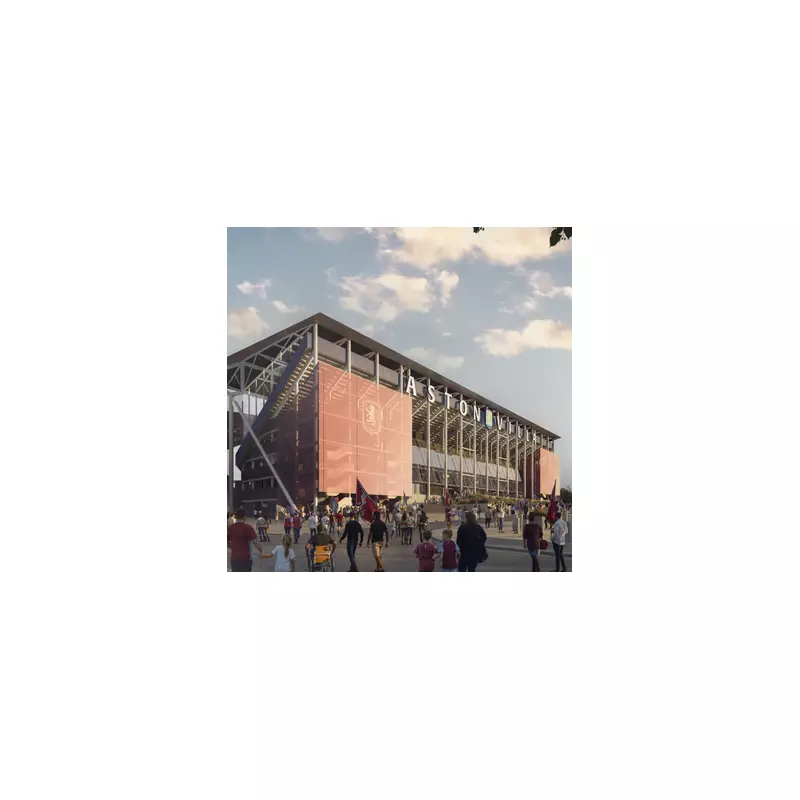
Two of Birmingham's premier sports venues are poised for landmark redevelopments. At Villa Park, home to Aston Villa Football Club, plans to extend the North Stand were officially approved. The project will add nearly 6,000 seats, taking the stadium's capacity to almost 49,000 and modernising its northern precinct with a new club shop and The Warehouse venue.
A council report highlighted that the expansion is crucial not only for the club's future but also for the city's role as a host for Euro 2028, with an ambition to reach a spectator capacity of over 50,000 for the tournament. The vision is to transform Villa Park into a year-round destination for fans and the local community.

Meanwhile, Edgbaston Stadium will undergo a striking change with approval granted for a new 3,191-seat stand and a 146-bed hotel, replacing the current Priory and Raglan Stands. The hotel will feature views over the cricket outfield, along with a coffee shop and a restaurant/bar open to the public on non-matchdays.
While the design split opinion amongst councillors, the club's strategy director, Craig Flindall, expressed gratitude for the council's support in sharing a vision to bring increased economic and social benefits through international sport.
Historic and Cultural Gems Secured for the Future
Beyond the sporting sphere, two cultural cornerstones of Birmingham have secured vital funding and planning permission for essential works. The Birmingham Botanical Gardens, a 15-acre site home to more than 10,000 plants, can now proceed with a major restoration project after being awarded around £9 million from The National Lottery Heritage Fund in July 2025.
The approved plans will address urgently needed repairs, focusing on the restoration of the Victorian glasshouses, which Historic England had identified as at risk. The attraction stated that without this intervention, the glasshouses faced closure within two years. The project will also enhance visitor amenities and improve the site's sustainability.
In the heart of the city's famous Jewellery Quarter, a major residential and commercial development has been approved. The scheme, on land near Newhall Street and St Paul’s Square, will see the construction of 422 apartments across four blocks, alongside residential courtyards and commercial floorspace.
A council officer's report stated the development would provide new connections within the historic area, support its economic vitality by housing creative businesses, and contribute to the city's ongoing need for high-quality housing.
A City Evolving for its Communities
Collectively, these four major projects represent a concerted effort to future-proof Birmingham's attractions while stimulating growth. From ensuring world-class facilities for international sporting events to preserving delicate heritage and providing new homes and business spaces, the council's planning decisions in 2025 are set to leave a lasting legacy. The coming years will see these visualisations become reality, fundamentally altering some of the city's most familiar sights for generations to come.