Birmingham Planning Committee Rejects HMO Conversion Amid Local Concerns
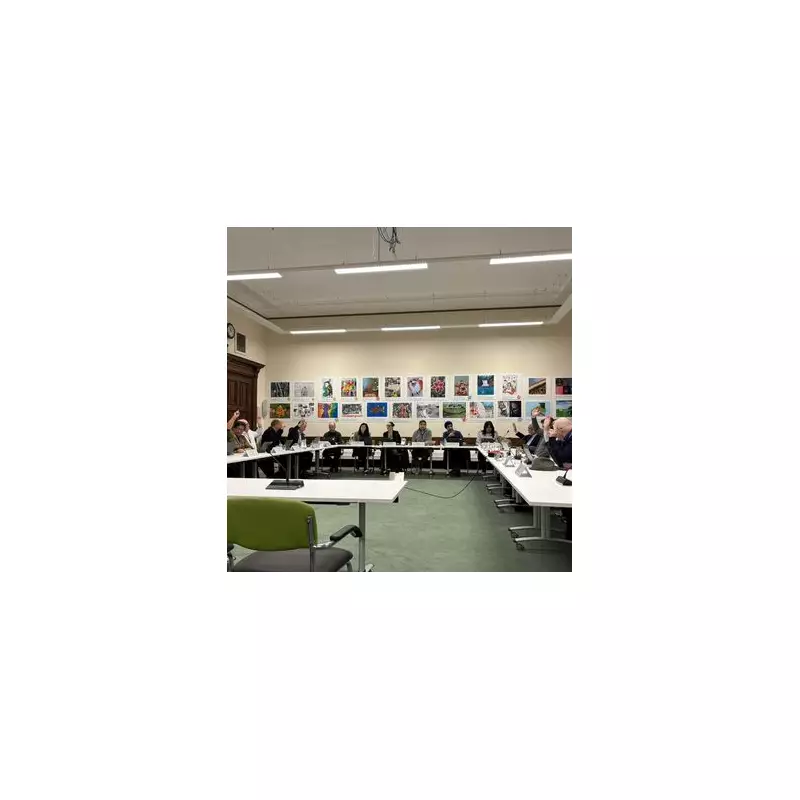
Birmingham City Council's planning committee has refused permission to convert a former shop into a House in Multiple Occupation (HMO), despite strong assurances from the applicant about professional management standards. The decision, made during a meeting on Thursday, January 22, highlights growing tensions over housing density and management practices in the city.
Pershore Road Proposal Details
The application sought to change the use of premises at 1726-1728 Pershore Road in Cotteridge from retail to a six-bedroom HMO. The applicant presented themselves as an experienced provider of high-quality co-living accommodation, primarily targeting students and young single professionals. They promised strict tenant vetting procedures, monthly internal inspections, and robust noise management policies to minimise impact on the local community.
A council planning officer's report acknowledged these assurances, stating: "The information submitted provides comfort that a clear plan is in place to deal with any issues that may arise." The report further noted that the property would be professionally managed with minimal anticipated disruption to the surrounding area.

Councillors' Persistent Concerns
Despite these management promises, committee members expressed deep reservations about the proliferation of HMOs across Birmingham. Councillor Gareth Moore remarked: "I've not yet come across a HMO provider that hasn't described their management as professional. So the reassurances provided don't really give much comfort at all."
Councillor Jamie Scott highlighted local saturation concerns, noting: "This is an area where there's already a lot of this type of accommodation." The committee also worried about the potential for the property to become exempt accommodation - specialised housing where vulnerable adults receive support to live independently.
Planning Policy Versus Practical Concerns
Council officers presented data showing that just over seven percent of properties within 100 metres of the application site were already HMOs - nine properties in total. This fell below the ten percent threshold established in local planning policy, which technically permitted the conversion.
Planning committee chair Councillor Lee Marsham acknowledged the separation between planning considerations and licensing matters: "From a planning point of view, we have to separate concerns over exempt accommodation from the issue at hand. Regarding the assurances, ultimately that's also outside this committee - that would be for our licensing scheme around HMOs."
Committee's Decision and Future Implications
The committee ultimately voted to refuse the application, though the applicant retains the right to appeal. While formal refusal reasons will be detailed later, committee members suggested "changing neighbourhood character, loss of retail unit, and parking considerations" as potential grounds.
This decision reflects Birmingham's ongoing struggle to balance housing needs with community concerns about neighbourhood composition and management standards. The case demonstrates how planning committees are increasingly considering factors beyond strict policy compliance when making decisions about HMO conversions.