Government Planning Inspector Rejects Digital Hub and Defibrillator at Wolverhampton Station
A government planning inspector has upheld a council decision to block the installation of a digital advertising hub and defibrillator outside Wolverhampton railway station. The appeal against the refusal was thrown out after the inspector agreed the structure would be bulky and obstructive to pedestrians.
Safety and Visual Concerns Cited
The proposed 86-inch digital hub was planned for a pavement area outside the busy station. It would have included a defibrillator, free Wi-Fi, and device charging facilities. However, City of Wolverhampton Council initially rejected the application, stating it would create a danger to pedestrians and detract from the station's appearance.
Planning inspector Alexander O'Doherty supported the council's stance in his report. He noted the hub would be out-of-character with the area, despite retail outlets within the station. Its large scale would make it appear as a bulky and incongruous feature, causing visual clutter in a gateway location.

Pedestrian Hazard Highlighted
The inspector emphasized that the hub would cause obstructions for pedestrians in a very busy area. It would pose a particular hazard for people in wheelchairs and those who are partially-sighted, potentially increasing the risk of collisions. The council had previously warned it would impede a key pedestrian walkway between the station buildings and metro tram lines.
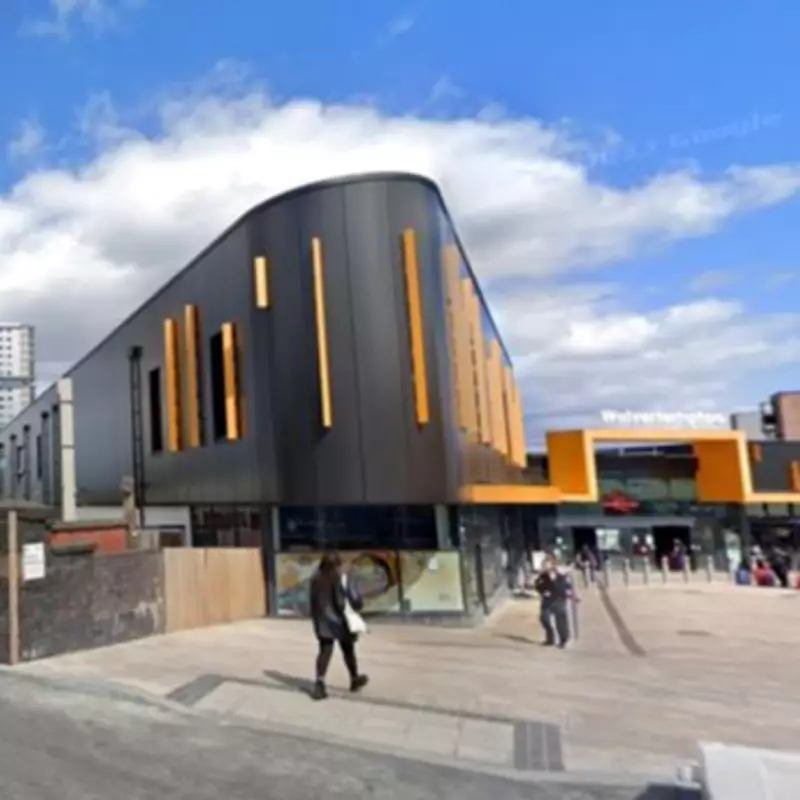
The station underwent a £150 million refurbishment, completed in June 2021, creating an attractive plaza area with significant pedestrian flow. Council planners argued the hub would unacceptably detract from this improved environment.
Applicants' Argument Countered
In Focus Networks and JCDecaux, the companies behind the application, had claimed the hub would support using smart technology to declutter streets and reduce unnecessary furniture. However, the planning inspector found the opposite would be true, concluding the structure would add visual clutter rather than reduce it.
The decision marks the end of the appeal process, meaning the digital hub and defibrillator will not be installed at the proposed location. The rejection underscores the balance between technological amenities and maintaining safe, visually appropriate public spaces around transport hubs.