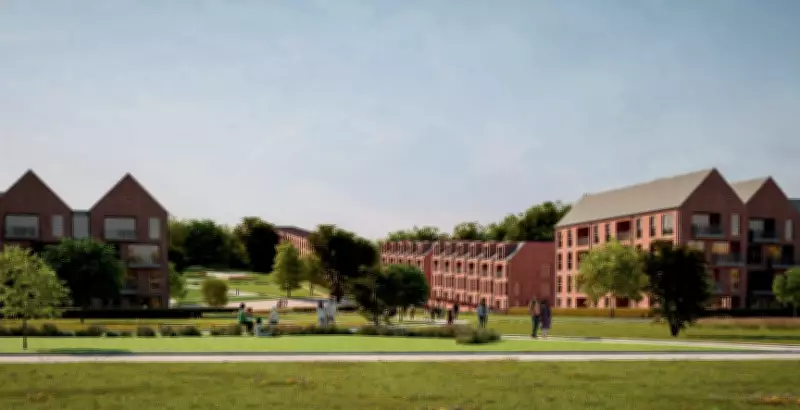
In a significant development for Birmingham's housing landscape, the High Court has officially quashed the planning permission for the major Druids Heath regeneration scheme. This decision represents a substantial setback for the ambitious project that promised to drastically transform the estate with thousands of new homes and comprehensive infrastructure improvements.
Legal Challenge Forces Transparency Review
The court's intervention follows a determined legal challenge launched by residents, spearheaded by the Central England Law Centre (CELC). The core of their argument centred on Birmingham City Council's failure to disclose the complete Financial Viability Assessment during the original planning approval process last October.
This crucial document was used to justify why the application detailed only approximately 11 percent affordable housing – equating to 400 out of 3,500 proposed homes. This figure stood in stark contrast to the council's public commitment to deliver 51 percent affordable housing within the development.

Council Concedes and Commits to Greater Openness
In response to the legal action, the Labour-run Birmingham City Council confirmed it had requested the court to quash its own original planning decision, a request that has now been formally agreed. A council spokesperson stated: "We can confirm our application to quash the outline planning application has been agreed, following a legal challenge from a small number of residents. Now the basis of that challenge will be addressed by making the Financial Viability Assessment for the scheme public."
The spokesperson acknowledged the community's eagerness to see regeneration progress while expressing regret over the inevitable delays. They specifically mentioned the postponed demolition of cleared tower blocks, which cannot proceed without valid planning consent.
Community Voices Demand Accountability
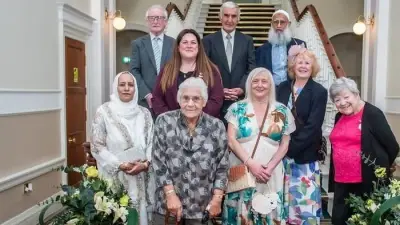
Elayne Hill, CEO of CELC, emphasised the broader implications of the case, stating it "demonstrates why transparency matters. Where key information is withheld, communities are denied the opportunity to understand and scrutinise what is being proposed properly." She welcomed the council's decision to concede and its recognition that the initial process "fell short."
Druids Heath resident Alison Parr echoed these sentiments, adding: "This community deserves transparency and to know what will happen to our homes, so that we can plan our lives instead of feeling in limbo."
Planning Committee Expresses Frustration
Members of Birmingham's planning committee have described the situation in strong terms, with Councillor Martin Brooks calling it "quite appalling that the city council has actually failed to provide the information necessary." Councillor Philip Davis added: "It is unacceptable that we're in this position. Surely it's the duty of officers to make sure reports to this committee are future-proofed against legal action and other risks."
Councillor Gareth Moore pointed to the particular embarrassment of the council failing to "get our own house in order" given that this is a council-led scheme.
Council Reaffirms Regeneration Commitment
Despite the setback, Birmingham City Council has repeatedly insisted on its commitment to the regeneration project and its affordable housing promises. A spokesperson highlighted extensive community engagement: "For over two years, the council has worked with the community to create a plan for the regeneration of Druids Heath, holding discussions with more than 1,000 residents, of which 68 per cent support the scheme."
The council maintains that the previously withheld Financial Viability Assessment contained commercially sensitive information that could not be released during procurement processes to identify preferred partners. This meant the planning committee made its original decision without access to this document.
The spokesperson concluded: "The council's commitment to delivery remains. The council will progress the scheme through the planning process as soon as feasibly possible, honouring its commitments to residents." The scheme must now return to the planning committee for a fresh decision, with the full Financial Viability Assessment available for public scrutiny.